Argentina’s slowdown in consumer prices is expected to continue in July, but the bigger story is that the easing inflation trend is colliding with weak industrial hiring and a still-fragile recovery, leaving policymakers and investors with a trade-off that is becoming harder to ignore.
Argentina Disinflation Faces Employment Trade-Off

Economist Fernando Marull’s projection of 1.8% monthly inflation for July points to an annualised pace that remains high by any standard, but materially below the double-digit monthly spikes that defined Argentina’s recent price shock. The forecast also suggests the disinflation process has not fully broken: price pressures are easing, yet they are not close to the kind of stability that would allow for sustained real wage gains, easier credit conditions or a durable rebound in private investment.
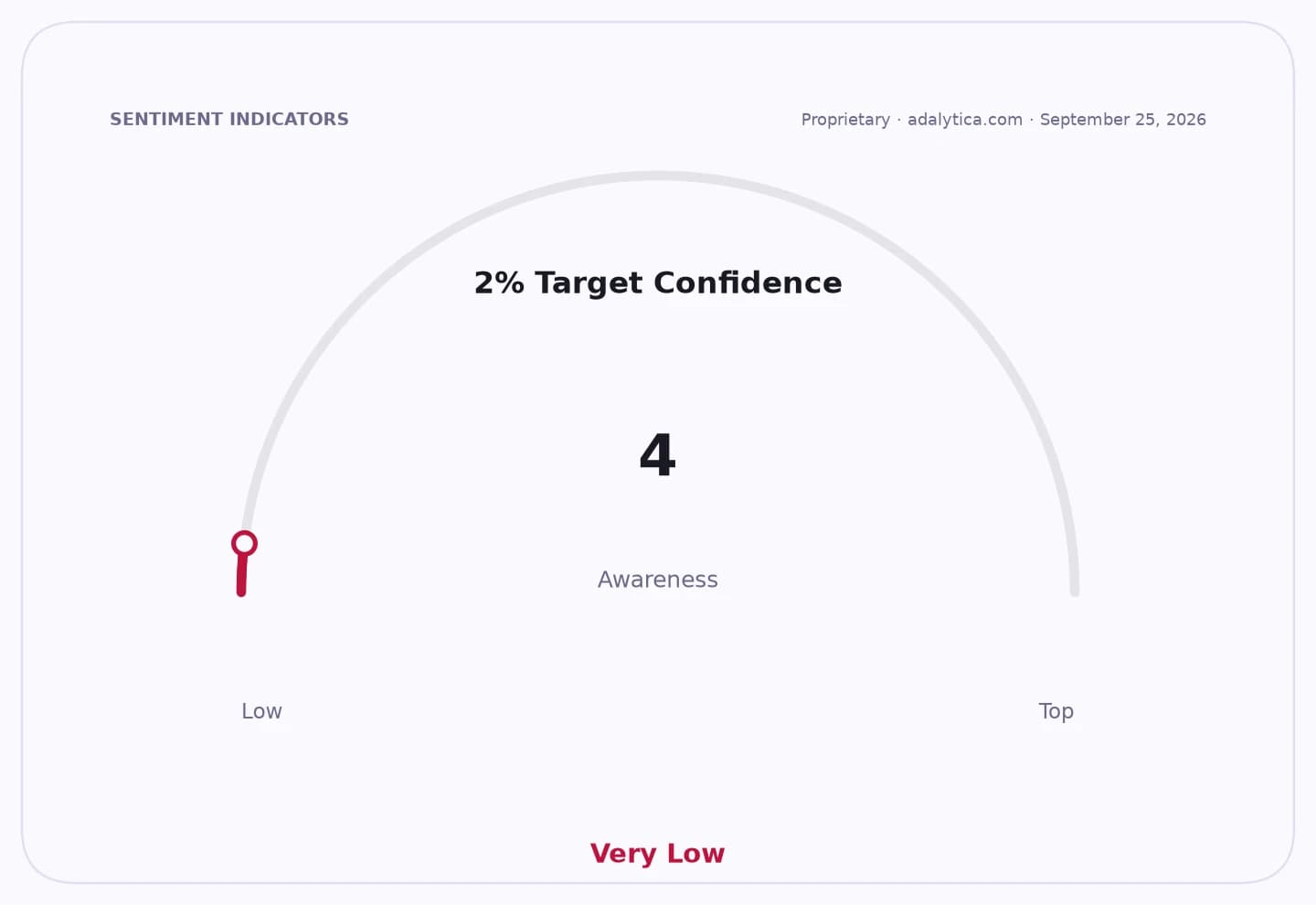
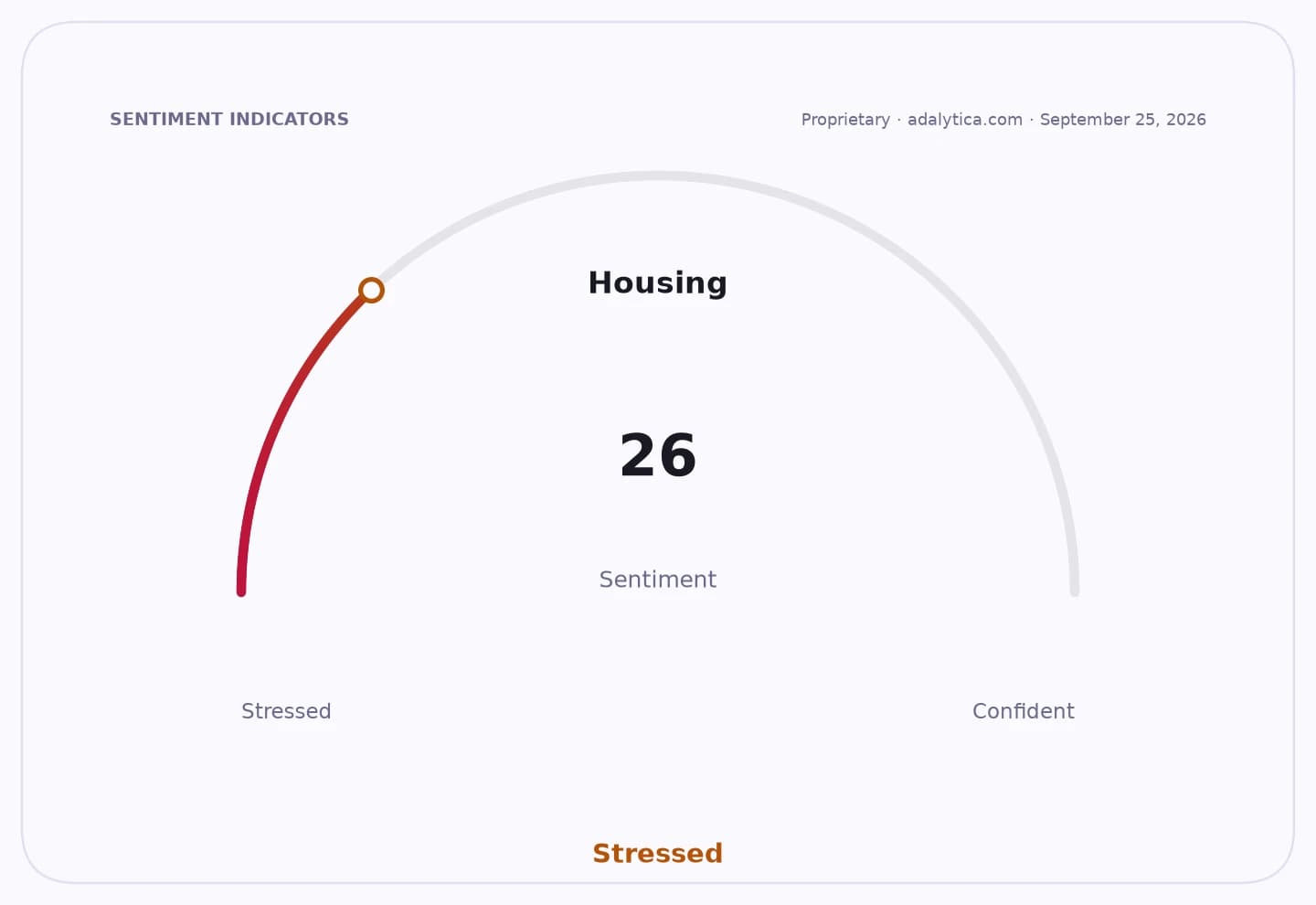
Sentiment IndicatorsⓘProprietary · adalytica.com · July 24, 2026
This is a snapshot — live sentiment, awareness and momentum for 130+ markets update continuously in the dashboard.Open AlphaPulse

The labour market is where that tension becomes most visible. Marull’s warning about industrial employment matters because manufacturing is often the first sector to absorb the cost of a tighter macro adjustment. If companies cannot pass on higher costs or sustain margins, payroll cuts typically follow. That creates a loop in which slower inflation may be achieved partly through softer domestic demand, weaker output and restrained job creation rather than through a clean improvement in productivity or confidence.
The data backdrop points to that same uneasy balance. Industrial production has been recovering only gradually, with the latest reading around 102.6 on the index and a forecast for a small further increase in July. Unemployment, meanwhile, has remained close to 4.2%, a low level by Argentina’s historical standards, but one that can mask underemployment and the strain in formal manufacturing jobs. Inflation, according to the forecast series, is still expected to rise 0.89% month on month in July, underscoring that price stability remains incomplete.
For investors, the message is two-sided. On the bull case, a July print around 1.8% would reinforce the view that the disinflation trend is intact, helping local fixed income, the currency outlook and equities tied to domestic demand. The industrial and materials complexes could also benefit if lower inflation eventually supports real incomes and a broader recovery. On the bear case, any cooling in prices that comes alongside job losses would weaken consumption and delay a meaningful earnings rebound for cyclical sectors.
That is why market signals remain mixed. The industrials ETF, XLI, has climbed well above its 200-day moving average, suggesting global cyclicals are still being bid on hopes of a recovery, but the recent loss of momentum in shorter-term technical readings shows traders are not fully convinced. Materials, tracked by XLB, have also held up better than at the start of the year, yet the move has been uneven, consistent with a market waiting for firmer evidence of demand.
Adalytica’s long-term inflation expectations gauge is neutral, while wage-inflation sentiment remains elevated but has eased from earlier peaks, a combination that fits a market in transition rather than one with a clean macro story. For Argentina, that means the next phase will be judged less on whether inflation is falling and more on whether it can fall without a deeper hit to manufacturing payrolls, real activity and political support for the adjustment.
The key catalyst now is whether July inflation confirms a durable downshift or exposes how much of the disinflation has been bought at the expense of industry. If prices keep easing while jobs hold up, local assets could extend their recovery. If industrial employment begins to weaken more visibly, the market will start pricing in a slower, more politically costly adjustment.
| Entity | Gains | Losses |
|---|---|---|
| Consumers | ▲Slower price growth | ▼Weak wage gains |
| Industrial firms | ▲Lower input inflation | ▼Payroll pressure |
| Argentine policymakers | ▲Disinflation credibility | ▼Employment backlash |
| Local bond and equity investors | ▲Better macro stability | ▼Growth disappointment |