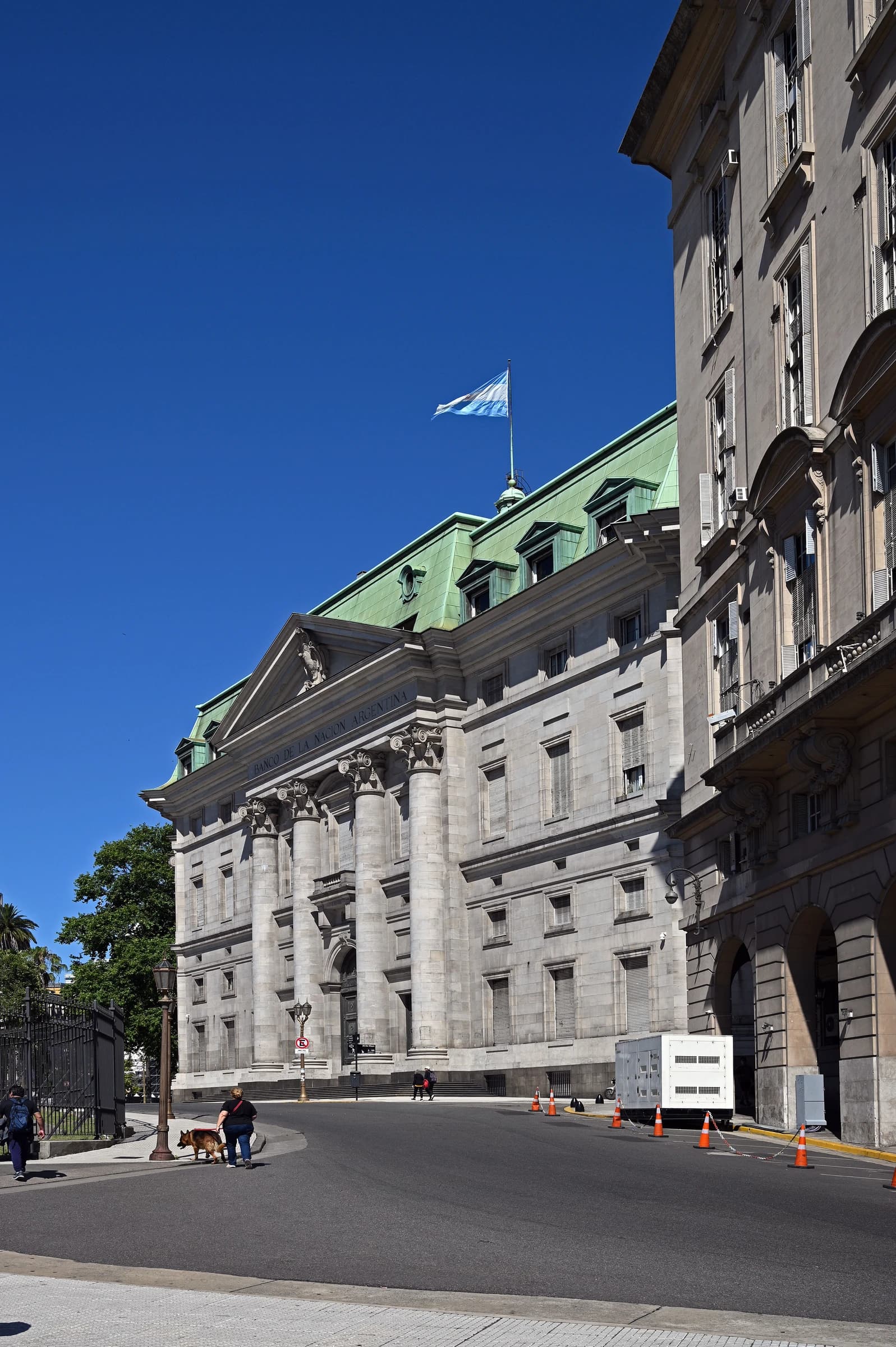
Argentine companies and provinces are set to keep tapping the dollar bond market into the first half of next year, with energy issuers rushing to lock in funding before election-year volatility and a tougher global backdrop hit pricing.
Argentina energy firms tap dollar bonds before election
Banco Santander, the top underwriter of Argentine hard-currency deals, expects about $9 billion of issuance in 2027 after more than $11 billion has already been raised so far this year, according to Mariano Urquiola, the bank’s head of corporate and investment banking in Argentina. The wave is being led by energy companies investing in Vaca Muerta, the shale formation underpinning Argentina’s push to become a major oil and gas exporter.
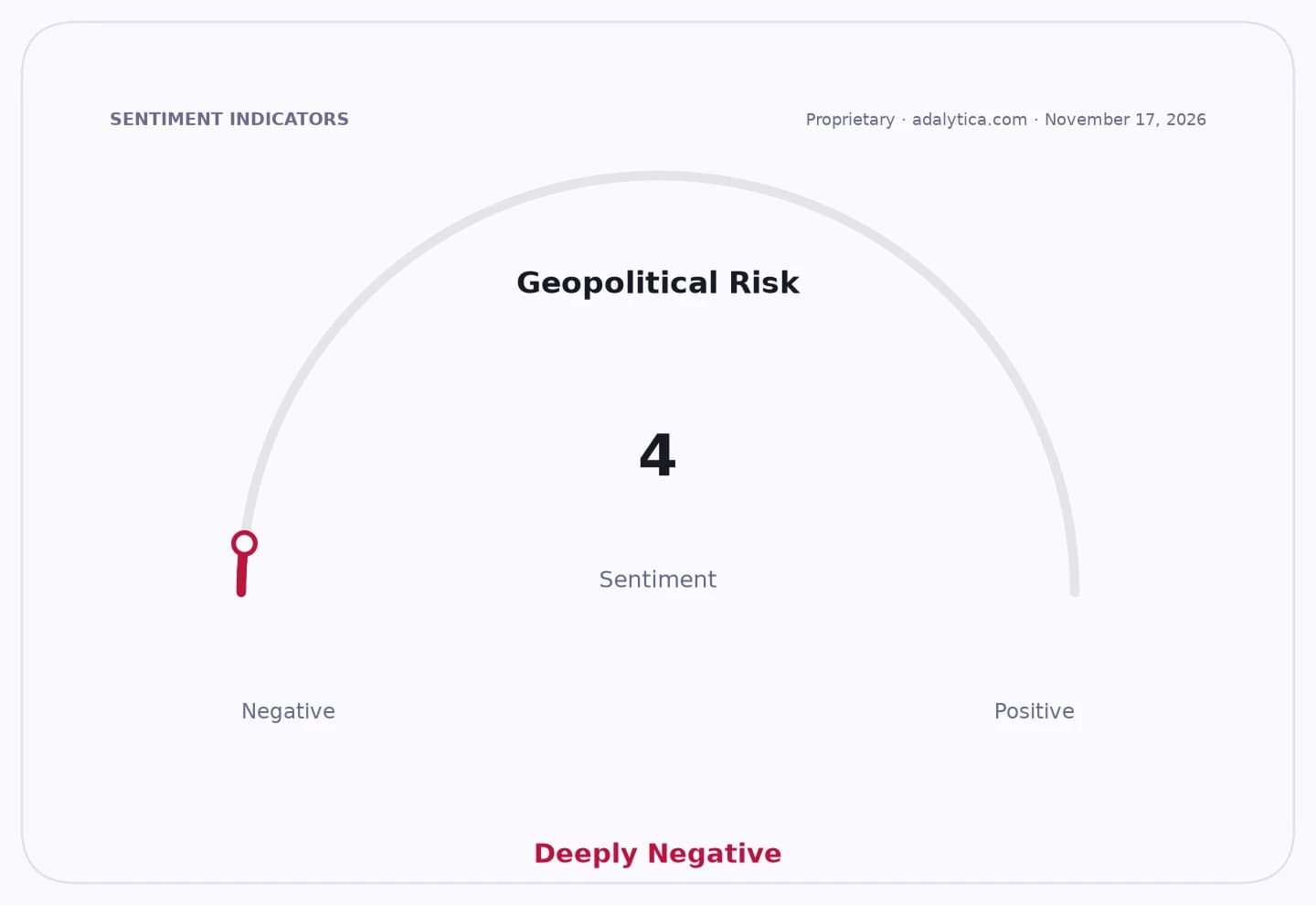
Sentiment Indicators
That matters because Argentina’s corporate and provincial borrowers are now supplying a steady stream of foreign currency at a time when the central bank needs reserves and the sovereign faces about $25 billion of hard-currency debt repayments next year. Stronger energy credits are drawing international demand even as Argentine sovereign bonds have come under pressure, helping keep the market open for borrowers that can still access financing at single-digit yields.
Santander said blue-chip energy names have become the favorites of overseas investors because their balance sheets and export growth make them less vulnerable to local shocks. YPF, the country’s biggest oil company, has already returned to international markets with a $1.2 billion bond due 2035 at a 7.85% yield, while Pampa Energía has also moved early to secure funding ahead of potential election turbulence.
The broader market backdrop is less benign. Argentine sovereign dollar bonds lost nearly 6% in October, among the worst performances in emerging markets, and the country’s risk premium has climbed to a one-year high as borrowing costs rise and investors position for next year’s presidential vote. That has made timing critical for issuers that can still attract capital before windows narrow further.
Santander has benefited from the rebound, leading Bloomberg’s rankings of Argentine debt underwriters since early 2024 with nearly $7 billion arranged, including more than $3 billion this year. JPMorgan Chase and Citigroup follow behind, while the bank is also helping finance some of the country’s biggest energy projects, including a planned $14 billion to $15 billion Argentina LNG package.
The message for investors is that Argentina’s revival in hard-currency funding is real, but it is increasingly concentrated in energy rather than sovereign risk. If Vaca Muerta continues to deliver export growth, the country’s best borrowers may keep accessing offshore capital even as election uncertainty and higher global yields squeeze weaker credits.
| Entity | Gains | Losses |
|---|---|---|
| Argentine energy companies | ▲Cheaper dollar funding | ▼Less urgency, tighter windows |
| Argentina’s central bank | ▲Foreign-currency inflows | ▼Reserve pressure eases only partially |
| International bond investors | ▲High-yield energy paper | ▼Sovereign risk exposure |
| Weaker Argentine borrowers | ▲Little from the boom | ▼Higher borrowing costs |