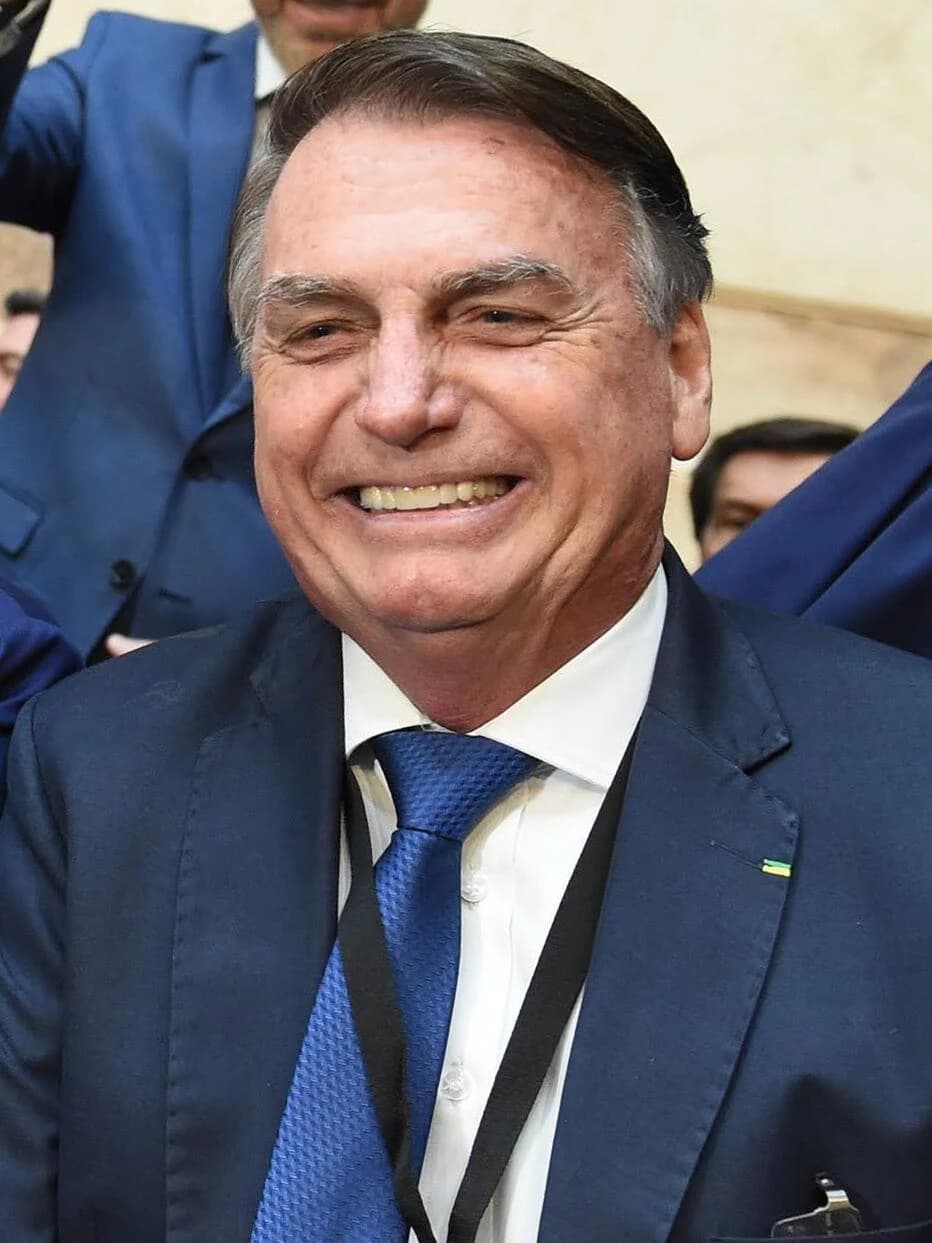
Javier Milei used a gala marking 85 years of Argentina’s top business lobby to do something investors will notice well beyond the applause: he made the case that the country’s next leg of reform depends on private investment, then tied that message to a bigger 2027 political push.
Argentina Milei pushes private investment and reforms
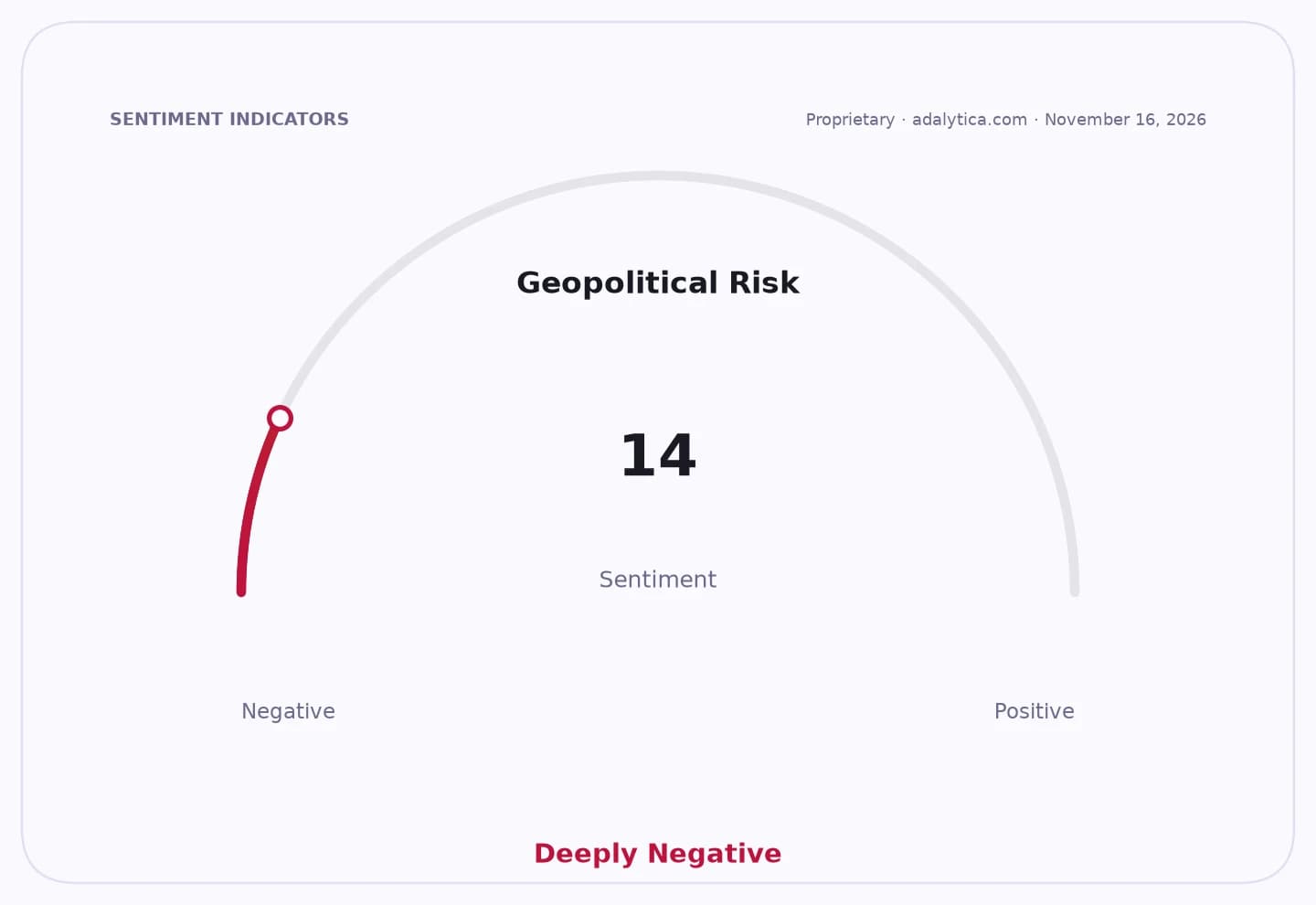
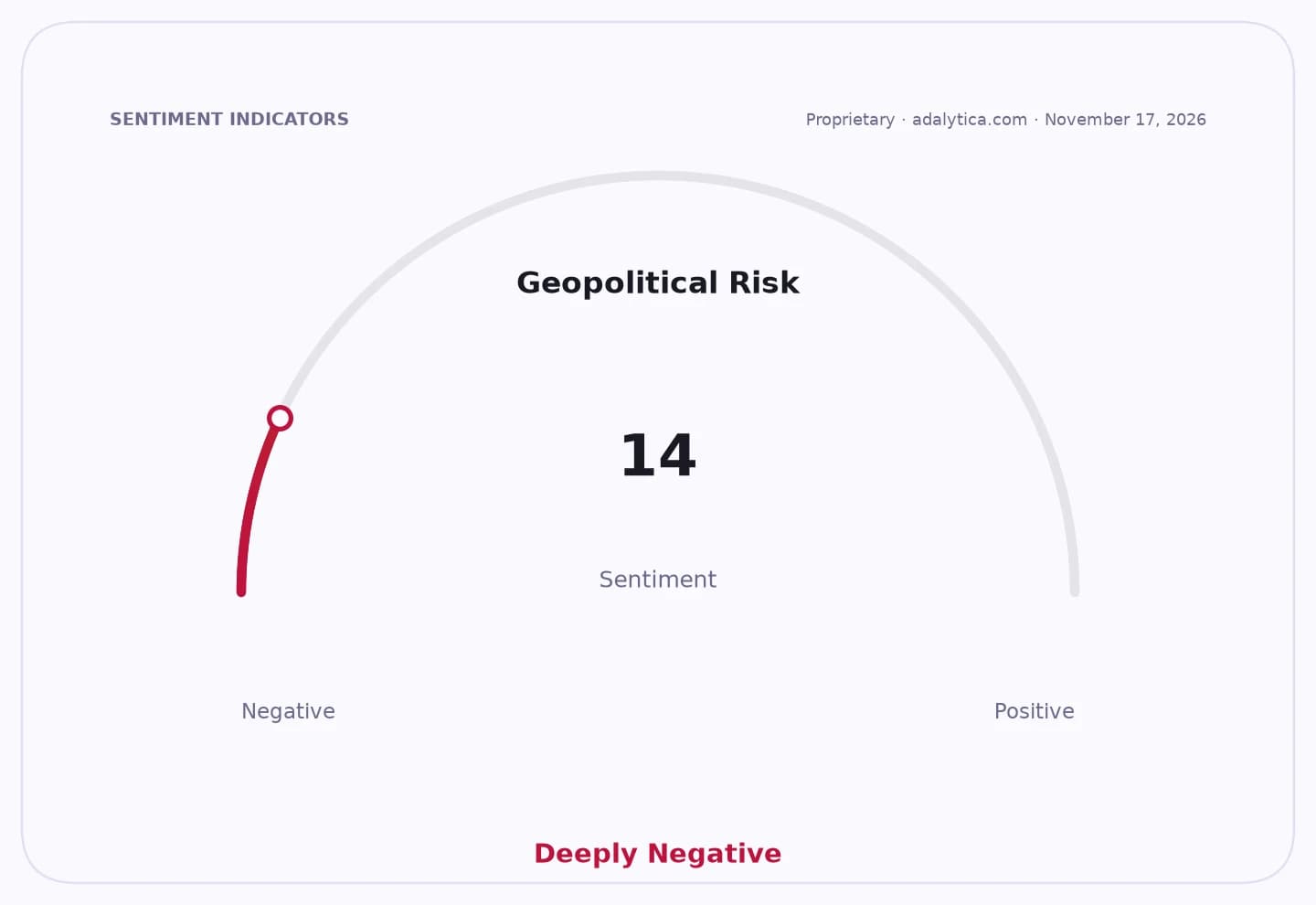
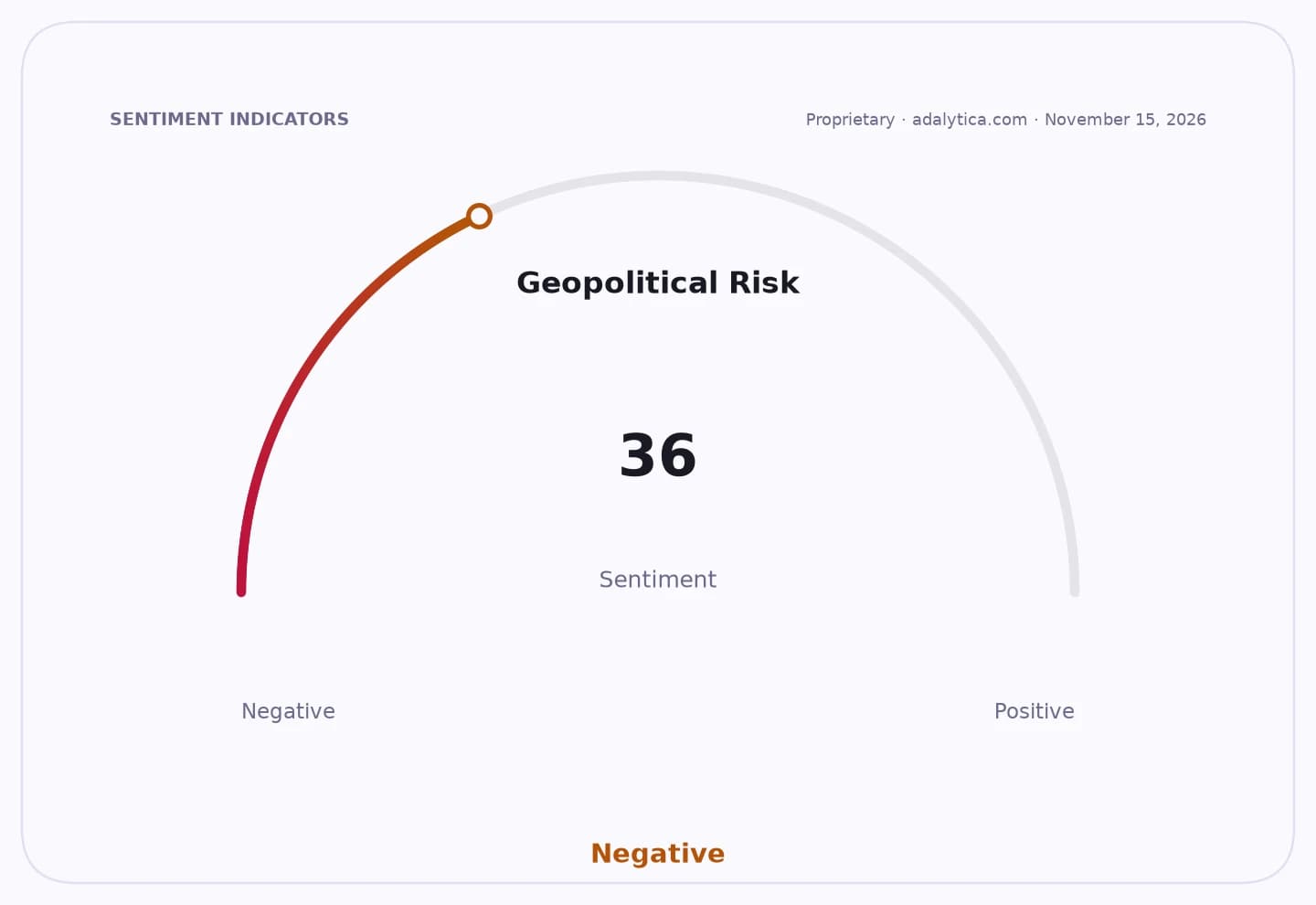
Geopolitical Risk
That matters because Argentina’s recovery story still rests on whether fiscal discipline can be converted into lasting growth, lower country risk and, eventually, a more investable market. Milei is telling companies to spend, hire and export now, while telling voters that if he wins a stronger mandate in 2027 he will go after even deeper reforms. For long-term investors, that is the clearest sign yet that the administration wants to turn stabilization into a multi-year growth platform rather than a one-off adjustment.
Sentiment Indicators
At the Inter-American Council on Trade and Production’s anniversary dinner, Milei praised business leaders as the people who will “take the country forward,” argued that growth comes from entrepreneurship and savings, and urged firms to “bet on it, invest.” He also framed the private sector as the engine of prosperity, saying entrepreneurs should go out and compete globally rather than think only about Argentina’s 50 million consumers.
That is an important shift in tone as much as in policy. Milei’s government has already centered its economic program on slashing spending, lifting the state’s foot off the economy and restoring property rights. Now he is trying to widen the coalition behind that agenda by making business investment part of the national project. If that message takes hold, it could help support capital formation, corporate confidence and, eventually, earnings growth in sectors that can sell beyond Argentina’s borders.
Geopolitical Risk vs ARGTadalytica.com
Explore this data interactively — full history, time series and cross-market comparisons.
He also used the speech to reinforce the government’s core investor narrative: lower spending, lower taxes and lower inflation should eventually pull down the sovereign risk premium. Milei said Argentina’s high risk country rating reflects a bad history, but insisted that fiscal balance is the route to change. For investors, that linkage is crucial. A lower risk premium is what would make Argentina assets cheaper to fund, reduce borrowing costs for companies and open the door to a broader rerating of local markets.
The political subtext was unmistakable. Milei said that if his camp wins the 2027 election, it could secure control of the lower house and come close to a Senate majority, setting up “a much deeper reform movement.” He also tried to draw a line between his administration and the country’s old political order, telling supporters that next year Argentines will face “the whole past” on one side and “freedom” on the other.
He even made a pointed gesture toward Patricia Bullrich, crediting her for pushing the anti-picket protocol over objections from then-chief of staff Nicolás Posse and Vice President Victoria Villarruel. That matters because Bullrich has become one of the clearest symbols of Milei’s law-and-order and reform agenda, and the reference signals he still wants to keep his broader governing alliance intact as the 2025 campaign season builds.
For markets, the message is straightforward: Argentina is still a high-risk, high-optional bet, but Milei is trying to extend the investment case beyond a short stabilization trade. The 50-day and 200-day moving averages on Argentina-focused assets remain under pressure, and the broader emerging-market backdrop is shaky, with global-stability gauges flashing extreme fear. But that kind of backdrop also explains why investors pay close attention when a president explicitly links fiscal restraint, private investment and a longer reform runway.
The next test is whether the rhetoric turns into enough policy credibility to attract capital before the 2027 horizon comes into view. If Milei can keep inflation, spending and political fragmentation moving in the right direction, Argentina’s equities and sovereign assets could stay a speculative opportunity for patient investors willing to think in years, not weeks. If he cannot, the speech will read as another reminder of how much potential Argentina still has left to unlock.
| Entity | Gains | Losses |
|---|---|---|
| Milei government | ▲Reform credibility | ▼Short-term political restraint |
| Argentine businesses | ▲Lower taxes, friendlier climate | ▼Pressure to invest now |
| Argentine sovereign assets | ▲Lower risk premium upside | ▼Continued policy disappointment risk |
| Opposition/past administrations | ▲Little | ▼Reform narrative, voter momentum |