Argentina’s government is bringing its political table back to Casa Rosada on Tuesday, with Karina Milei in charge and Patricia Bullrich at the center of a push to secure legislative backing for the year-end agenda, including the 2027 budget and a contentious electoral reform.
Argentina Cabinet Meets on Budget and Electoral Reform
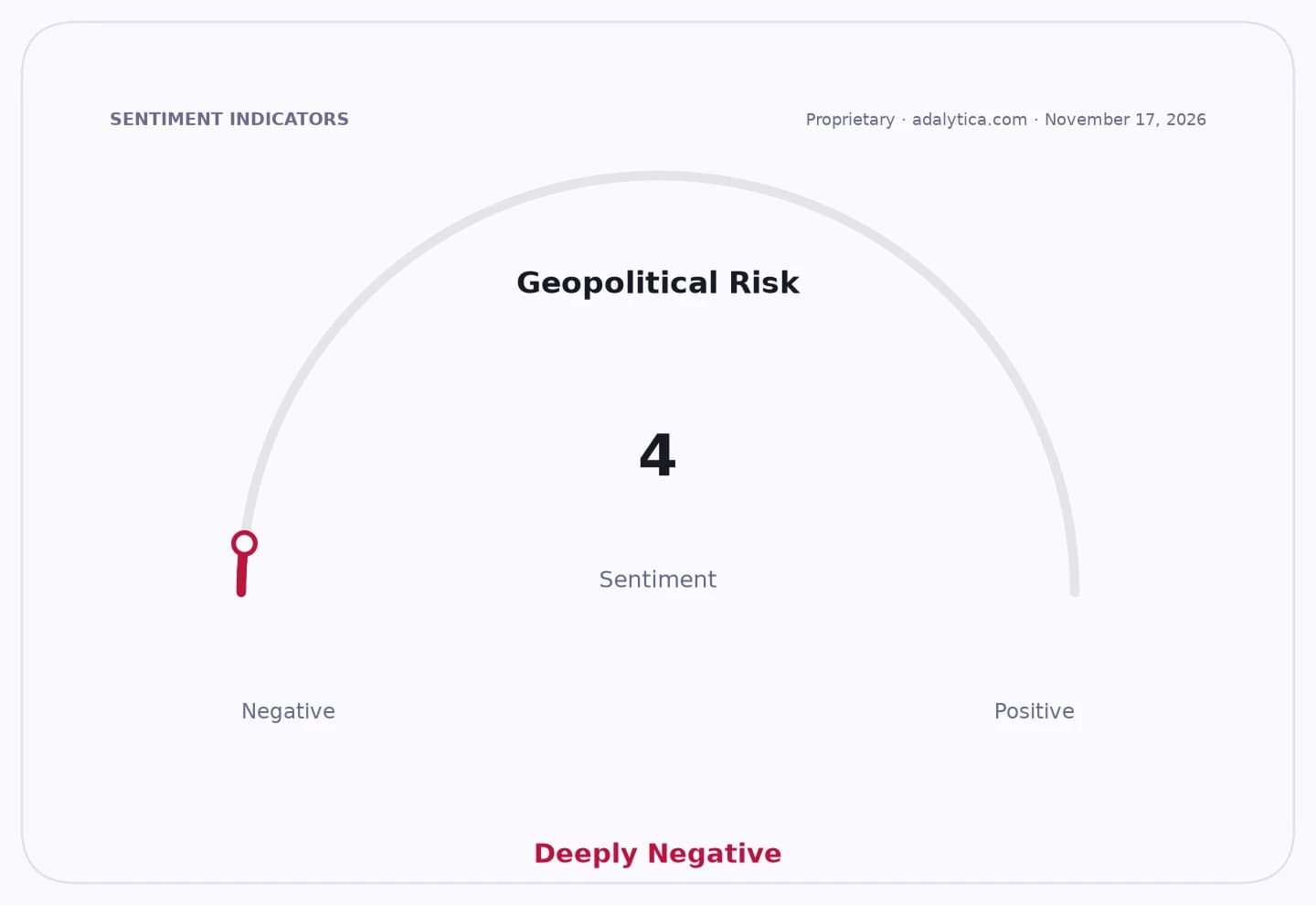
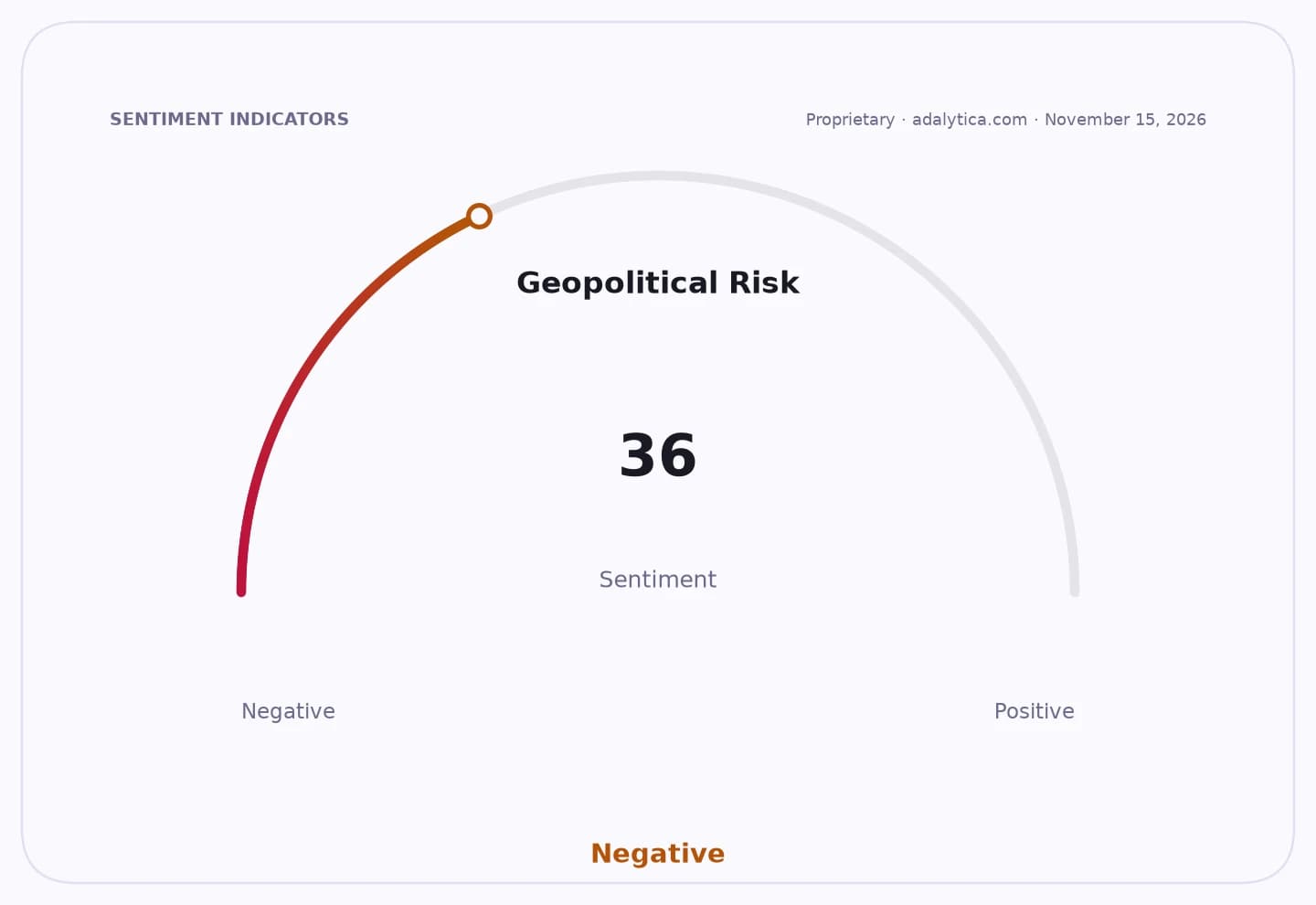
Geopolitical Risk
The meeting matters because the administration needs more than political choreography: it needs votes. With Congress running out the clock, Javier Milei’s team is trying to line up allies in both chambers for measures that could define the government’s second year, while also deciding whether to call extraordinary sessions in December or stretch the regular calendar.
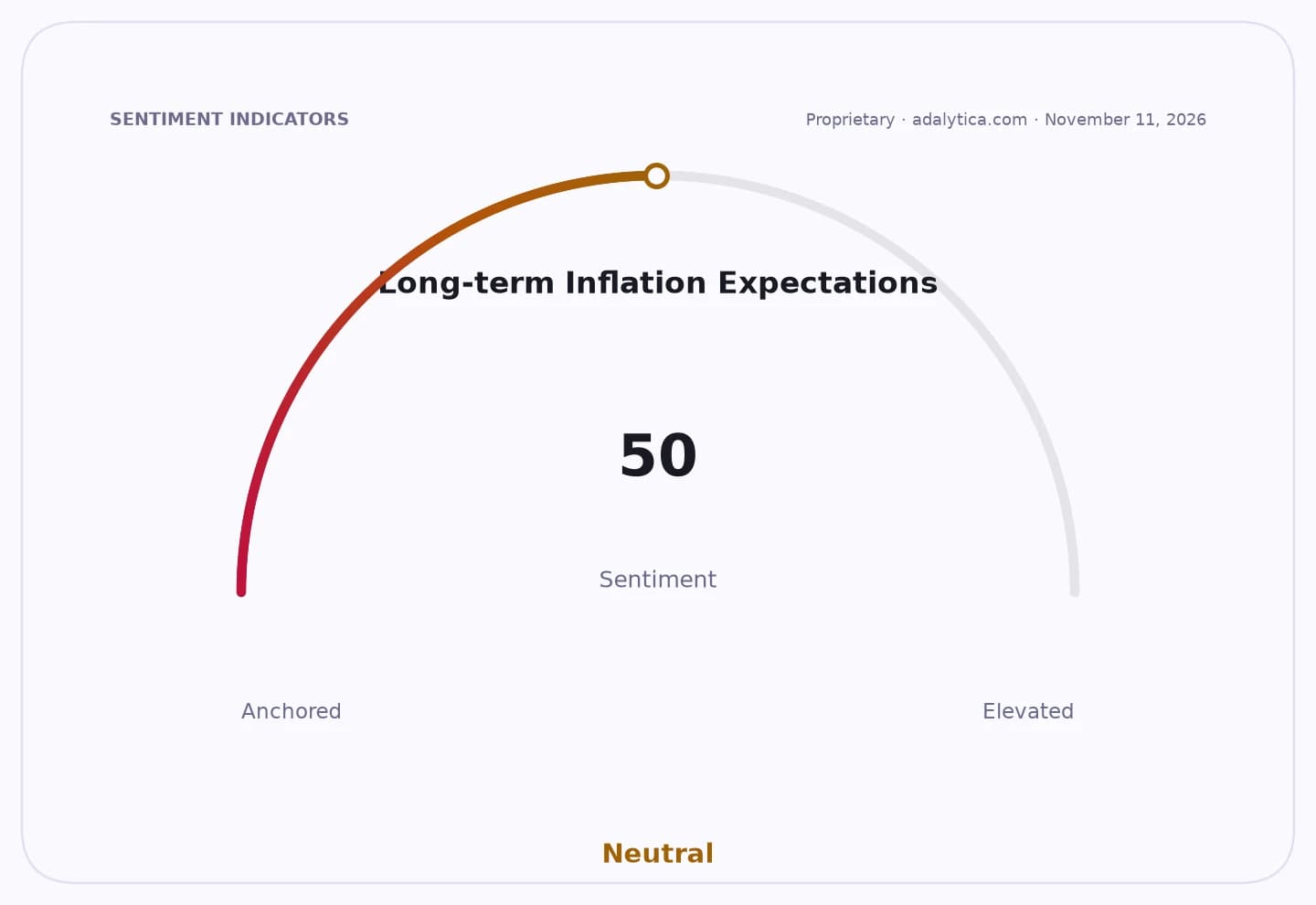
Sentiment Indicators
Karina Milei will chair the gathering at 11 a.m. in Balcarce 50, bringing together the key officialist interlocutors after several weeks without face-to-face meetings. Bullrich’s attendance is politically significant after recent tensions with the executive, but officials in Casa Rosada say they still need her support and acknowledge her electoral weight.
The budget bill is the immediate priority. The government wants to move the 2027 spending plan through the lower house, secure a committee opinion and prepare it for floor debate, with Diego Santilli in parallel negotiating with governors and dialogue-oriented blocs. For investors, a smoother budget path would reduce near-term policy risk and improve visibility over fiscal execution.
The electoral reform is likely to be even more contentious. The Senate is set to resume debate on the administration-backed bill, with the suspension of PASO primaries at the center of talks. A circulating draft would suspend the primaries only once, in 2027, and also allow ballot lists to be combined on a one-time basis, underscoring how much bargaining the government may need to do to get the votes.
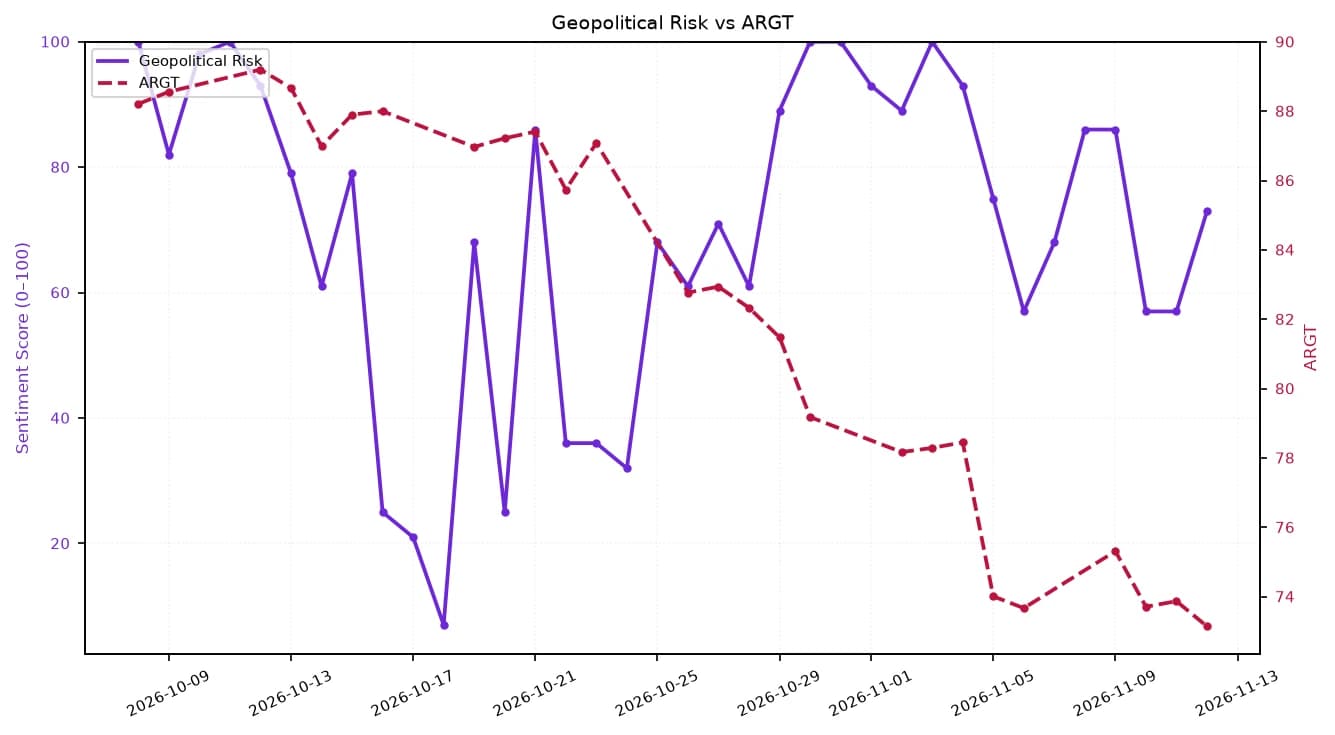
The legislative fight also has a market angle. Argentina assets have been volatile, with the ARGT ETF down sharply in recent sessions and local bank shares under pressure, reflecting investor sensitivity to political execution risk. GGAL has fallen to 28.2 from 37.91 on Oct. 23, while EWW remains more resilient but still below recent highs, showing that traders are rewarding reform progress only when it looks credible and durable.
The stakes extend beyond this year’s calendar. Casa Rosada wants to reshape the rules of political competition before talks over provincial alliances and 2027 nominations begin, but allied governors are not aligned with Milei on electoral priorities even if they are willing to back parts of his economic agenda. If Tuesday’s meeting produces a workable legislative strategy, it could help stabilize expectations around fiscal policy and institutional continuity; if not, the government may be forced into another round of ad hoc bargaining that keeps political risk elevated.
| Entity | Gains | Losses |
|---|---|---|
| Milei government | ▲Legislative momentum | ▼Policy delays |
| Karina Milei | ▲Political control | ▼Negotiation exposure |
| Patricia Bullrich | ▲Influence in Congress | ▼Public friction with allies |
| Argentine bonds and equities | ▲Reform clarity | ▼Uncertainty over votes |