Salta’s gamer community is betting that a bigger local event can help expose a larger problem: Argentina still lacks a clear regulatory framework for eSports, even as competitive gaming moves closer to a professional industry.
Argentina eSports Regulation Gap Hits Salta Gaming
That gap matters because the business of eSports depends on more than tournaments and talent. Without rules covering player contracts, prize structures, sponsorships, training standards and institutional recognition, clubs struggle to monetize operations and athletes often remain in a gray zone between amateur pastime and full-time profession. For investors, brands and event organizers, that uncertainty raises execution risk just as the sector is trying to scale beyond hobbyist communities.
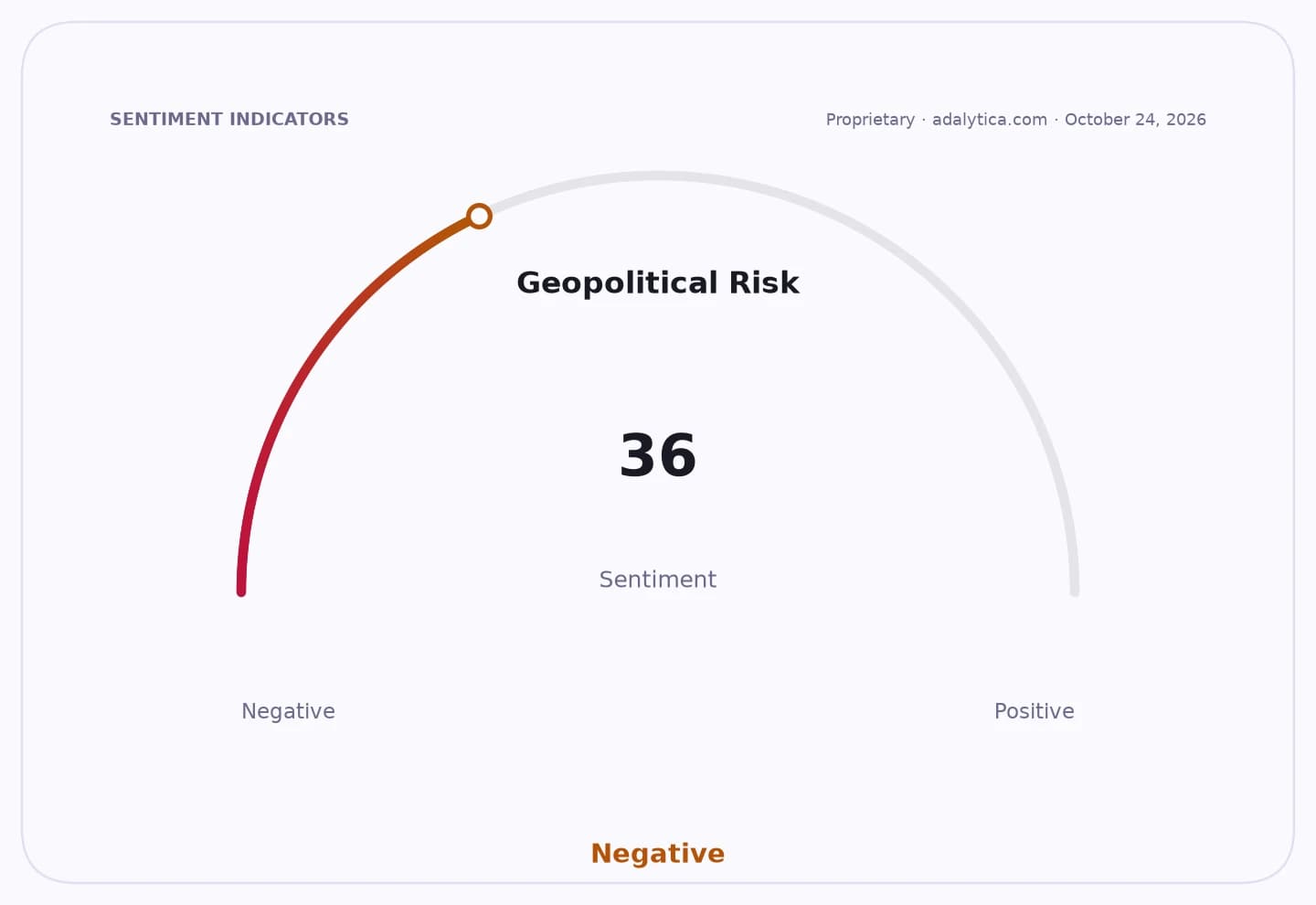
Sentiment IndicatorsⓘProprietary · adalytica.com · October 24, 2026
This is a snapshot — live sentiment, awareness and momentum for 130+ markets update continuously in the dashboard.Open AlphaPulse
Luciano Gálvez, one of the organizers of Salta Gaming and a member of the Oniria club, said there is “a lack of laws” in Argentina and Latin America to regulate the sector, arguing the ecosystem is “still green” even though some teams already compete globally. His comments come as Salta prepares for the third edition of Salta Gaming on Nov. 14-15 at the Usina Cultural, an event that aims to mix competition, technology, music, cosplay and local creators into a broader showcase for the province’s gamer economy.
The timing is significant. Latin America has become one of the more active growth regions for gaming audiences, and Argentina is trying to convert that enthusiasm into a more formal industry. Gálvez said Salta’s local scene includes players trained in schools, self-taught developers and independent creators, while new tools such as artificial intelligence are lowering the cost of making games and helping small projects move forward without large budgets. That combination could expand the supply side of the sector, but it also makes regulation more urgent if the market is to professionalize.
Oniria’s experience illustrates both the opportunity and the constraint. The club started with League of Legends and later added Counter-Strike, Free Fire, Apex Legends and EA Sports FC. It has even financed travel for a team to compete in Apex Legends in New Orleans, working with sponsors to sustain the project. But Gálvez said monetization remains difficult and players often rely on tournament winnings and commercial deals that vary widely by event. Many still train late at night after work or study, a sign that the career path is not yet stable enough to support a deeper talent pipeline.
That is why the planned arrival of a Counter-Strike Major in Buenos Aires in 2027 matters beyond one tournament. A marquee international event could bring sponsors, media attention and more institutional investment into Argentina’s eSports scene, while also lifting the profile of local organizers such as Rodrigo Figueroa Reyes, whom Gálvez cited as part of the broader push. In the bull case, it becomes a catalyst for better infrastructure, more capital and a clearer business model. In the bear case, the market gets attention without the legal and commercial framework needed to retain players and build durable revenue.
For now, Salta Gaming is less about one weekend of matches than a test case for whether provincial events can create enough momentum to push eSports closer to formal recognition. If policymakers follow with legislation, clubs like Oniria could gain a more reliable path to sponsorship, talent retention and cross-border competition. If they do not, Argentina risks exporting its best players and leaving the domestic ecosystem stuck in partial development.
| Entity | Gains | Losses |
|---|---|---|
| Salta gamer community | ▲More visibility and structure | ▼Informal, fragmented scene |
| Local clubs like Oniria | ▲Potential sponsorship growth | ▼Unclear monetization |
| Argentine players | ▲Better career pathways | ▼Talent drain abroad |
| Brands and event organizers | ▲Larger addressable market | ▼Regulatory uncertainty |