Brazil’s decision to cap foreign players at fewer places in its top leagues could narrow one of the biggest export channels for Argentine footballers, threatening a talent pipeline that has quietly become a meaningful economic bridge between the two countries.
Brazil cuts foreign-player quota in top leagues

The Brazilian Football Confederation approved a gradual rollback of the foreign-player quota on Monday, setting the stage for clubs in the Brasileirão’s first and second divisions to reduce the number of overseas players they can dress for matches from the current nine to eight in 2027, seven in 2028, six in 2029 and five by 2030. For Argentine players — now the largest foreign contingent in Brazil — the change matters because Brazil has become a major destination market for mid-career and developing talent outside Europe.
Sentiment IndicatorsⓘProprietary · adalytica.com · September 26, 2026
This is a snapshot — live sentiment, awareness and momentum for 130+ markets update continuously in the dashboard.Open AlphaPulse
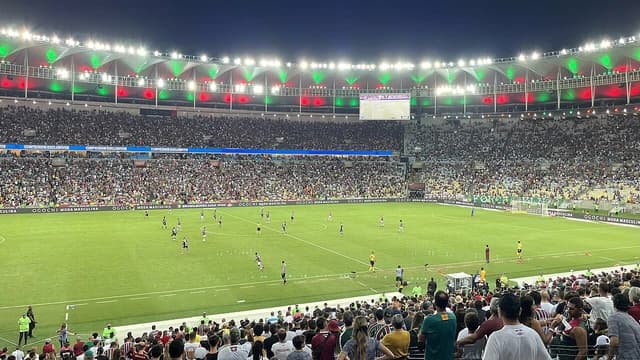
There are already 48 Argentines spread across 18 of the 20 Serie A clubs, plus 11 more in Serie B, according to the CBF’s own study. That concentration shows how deeply Argentine football has penetrated Brazilian squads, and why a tighter quota could force clubs to favor domestic players or recruit from other countries. For Argentina’s clubs and agents, fewer roster spots in Brazil could mean less leverage in transfer negotiations and fewer near-term landing places for players who are not yet ready for Europe.
The move is also about economics at home in Brazil. The federation said the revised rules are meant to open space for younger Brazilian players, while clubs will also be required to reserve more of their 50 registration slots for under-23 players from 2027 onward. That matters because Brazil’s top-flight squads are already older than their European peers, with an average age of 28.5, and because younger Brazilian players remain a valuable export asset.
Brazil’s transfer business depends heavily on developing talent early. The CBF said sales of players aged 20 and under accounted for 50.1% of the country’s transfer revenue from 2016 through 2025. If clubs give fewer minutes and fewer roster openings to young players, they could eventually weaken the very pipeline that feeds one of South America’s most reliable revenue streams.
For investors and football stakeholders, the lesson is that this is less about shutting foreigners out than about reallocating scarce squad space. Brazilian clubs will still have room for imports, but the ceiling is coming down after years of steady expansion. That should support domestic player development over time, while creating a modest headwind for Argentine footballers who have treated Brazil as one of their most accessible and lucrative foreign markets.
The broader takeaway is that Brazil is trying to protect a homegrown talent base at a time when South American clubs increasingly depend on player trading to balance the books. If the quota squeeze works as intended, it could strengthen Brazilian academies and future transfer income. If not, clubs may simply spread the same money across fewer imported names. Either way, the market for Argentines in Brazil is no longer expanding the way it was.
| Entity | Gains | Losses |
|---|---|---|
| Brazilian clubs | ▲More spots for homegrown talent | ▼Less flexibility to recruit foreigners |
| Young Brazilian players | ▲More minutes and roster access | ▼— |
| Argentine players | ▲— | ▼Fewer roster openings in Brazil |
| Brazilian football economy | ▲Stronger academy pipeline | ▼Possible short-term squad disruption |