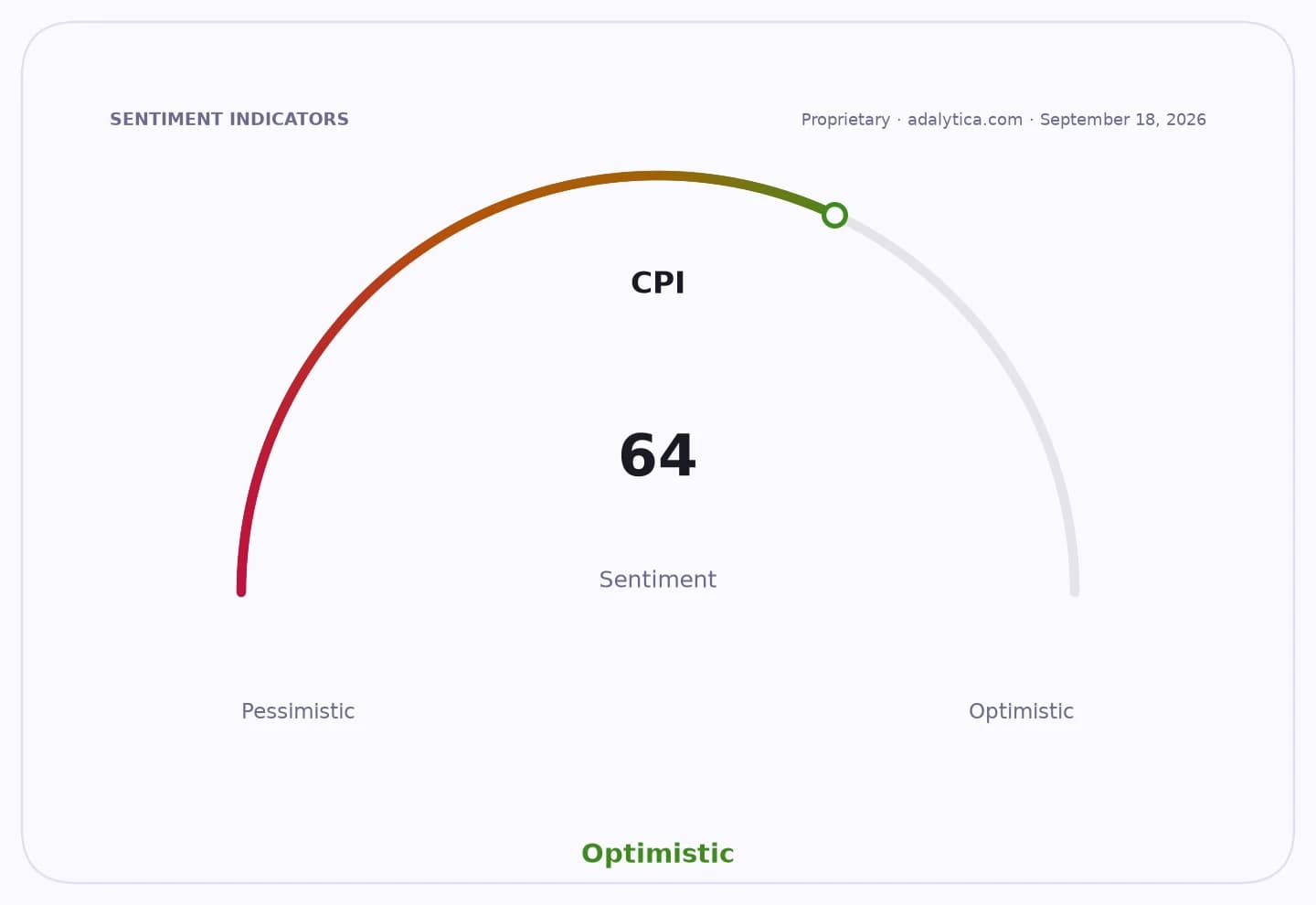
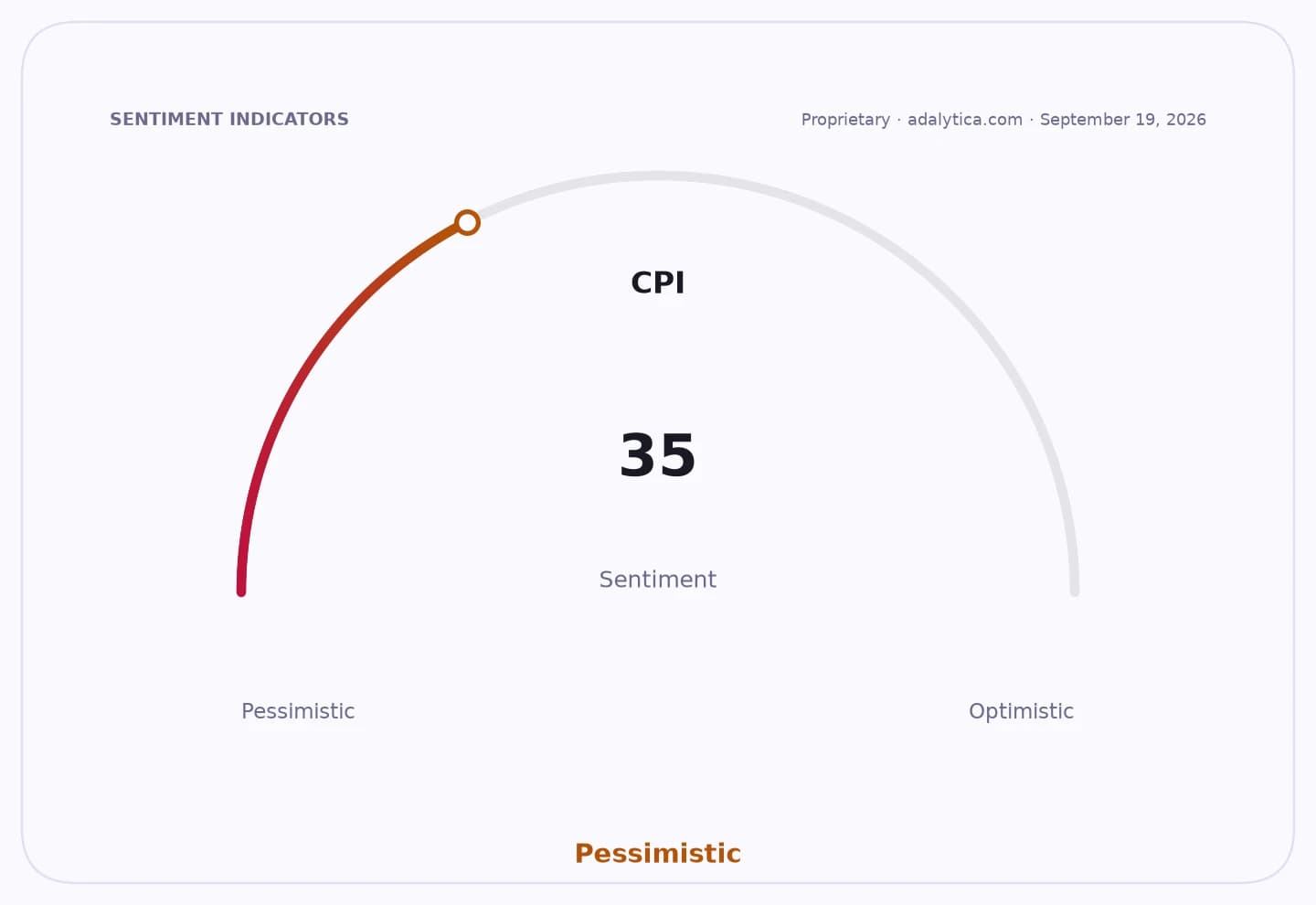
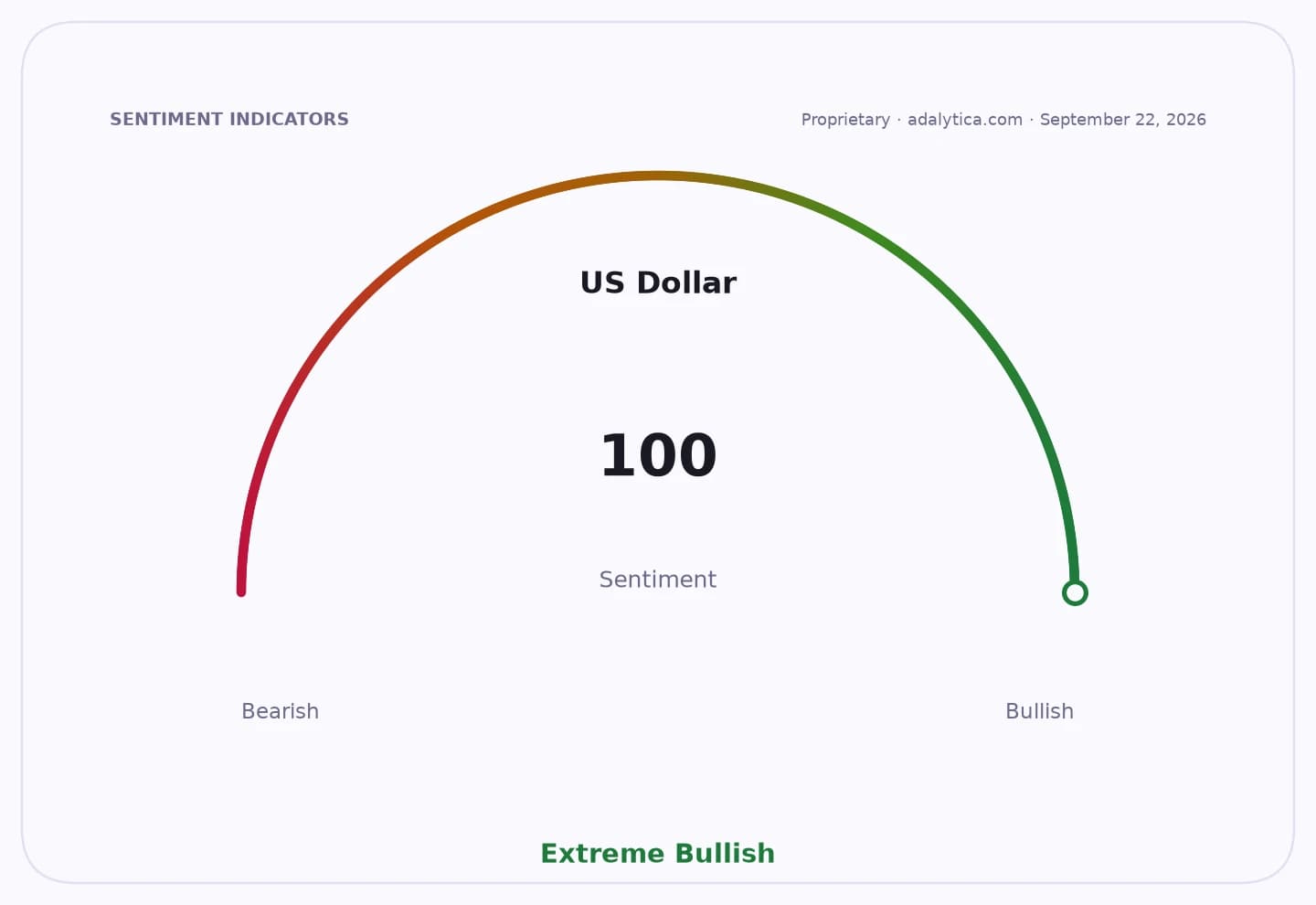
Argentina’s government is betting that a sharp slowdown in inflation will give it room to shift the economic debate toward growth, even as activity loses momentum and the central bank’s next IMF test approaches.
Argentina Inflation Slows as Growth Cools
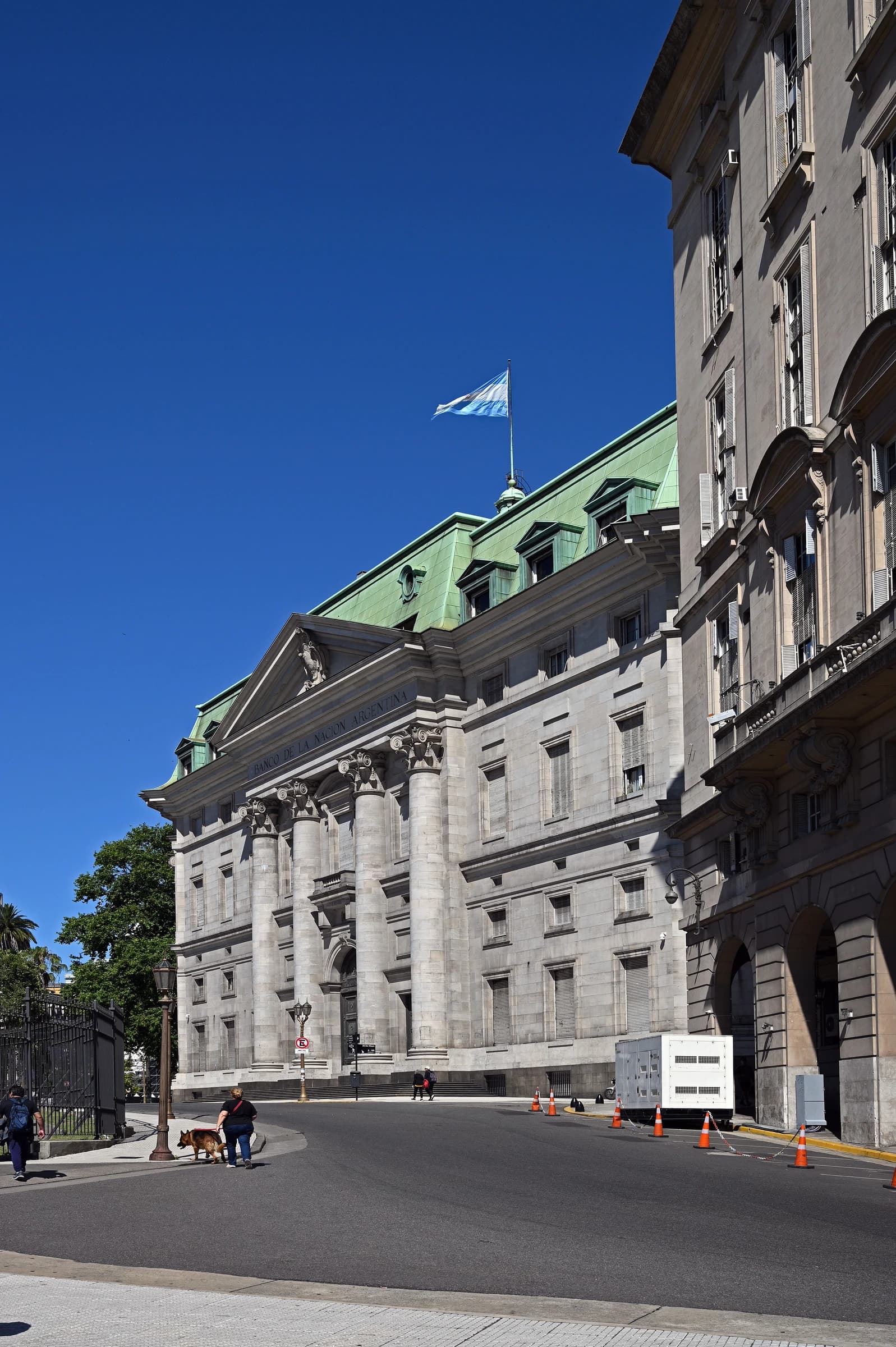
Finance Secretary Federico Furiase said inflation has “gone into the background” for households after August consumer prices rose 1.7%, the weakest pace in 14 months. He credited the administration’s stabilization program for driving inflation down from “1% a day” to about 30% year over year, a striking deceleration in a country long defined by price instability.
Sentiment IndicatorsⓘProprietary · adalytica.com · September 26, 2026
This is a snapshot — live sentiment, awareness and momentum for 130+ markets update continuously in the dashboard.Open AlphaPulse
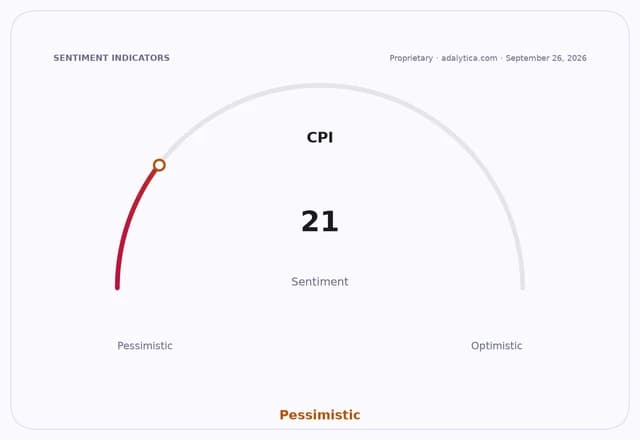
The message matters because lower inflation is the cornerstone of President Javier Milei’s economic agenda. If the trend holds, it can ease pressure on wages, stabilize expectations and support Argentine assets by improving the credibility of the policy mix. But it also exposes the other side of stabilization: growth is slowing.
Furiase acknowledged the economy is expanding at closer to 2% year over year, down from 4.5% in 2025, with official data showing June activity up 2.7% from a year earlier and July sector readings pointing to declines in construction and industry. That combination — cooler prices, weaker output — is the central trade-off facing investors as the government tries to keep disinflation intact without tipping the economy into stagnation.
The market is watching September inflation closely to see whether August was the start of a durable downtrend or a temporary pause. Furiase’s comments also came as Argentina prepares for the third review of its program with the International Monetary Fund, where he said all targets are being exceeded.
He said the central bank’s reserve buildup is running ahead of plan, with projected purchases near $14 billion versus an initial goal of $7 billion to $10 billion. For bondholders and currency traders, that is the key next catalyst: continued disinflation and reserve accumulation would strengthen the case for policy continuity, while any slowdown in prices or growth would quickly revive doubts about the durability of the stabilization effort.
| Entity | Gains | Losses |
|---|---|---|
| Argentina government | ▲Lower inflation credibility | ▼Pressure for faster growth |
| Consumers | ▲Slower price increases | ▼Softer job and income momentum |
| Bondholders | ▲Better policy confidence | ▼Slower economic expansion |
| IMF | ▲More target compliance | ▼Fewer policy pressures to negotiate |