Argentina’s wholesale inflation accelerated to 2.1% in August, ending a three-month slowdown and reinforcing the risk that higher energy and import costs will filter through the supply chain and keep consumer prices sticky.
Argentina wholesale inflation rises to 2.1% in August
The pickup matters because wholesale prices often lead retail inflation in an economy still trying to lock in disinflation under President Javier Milei. August’s reading, reported by the national statistics agency Indec, was more than double July’s 0.8% and lifted the year-to-date wholesale gain to 19.1%, with the annual rate at 29.8%.
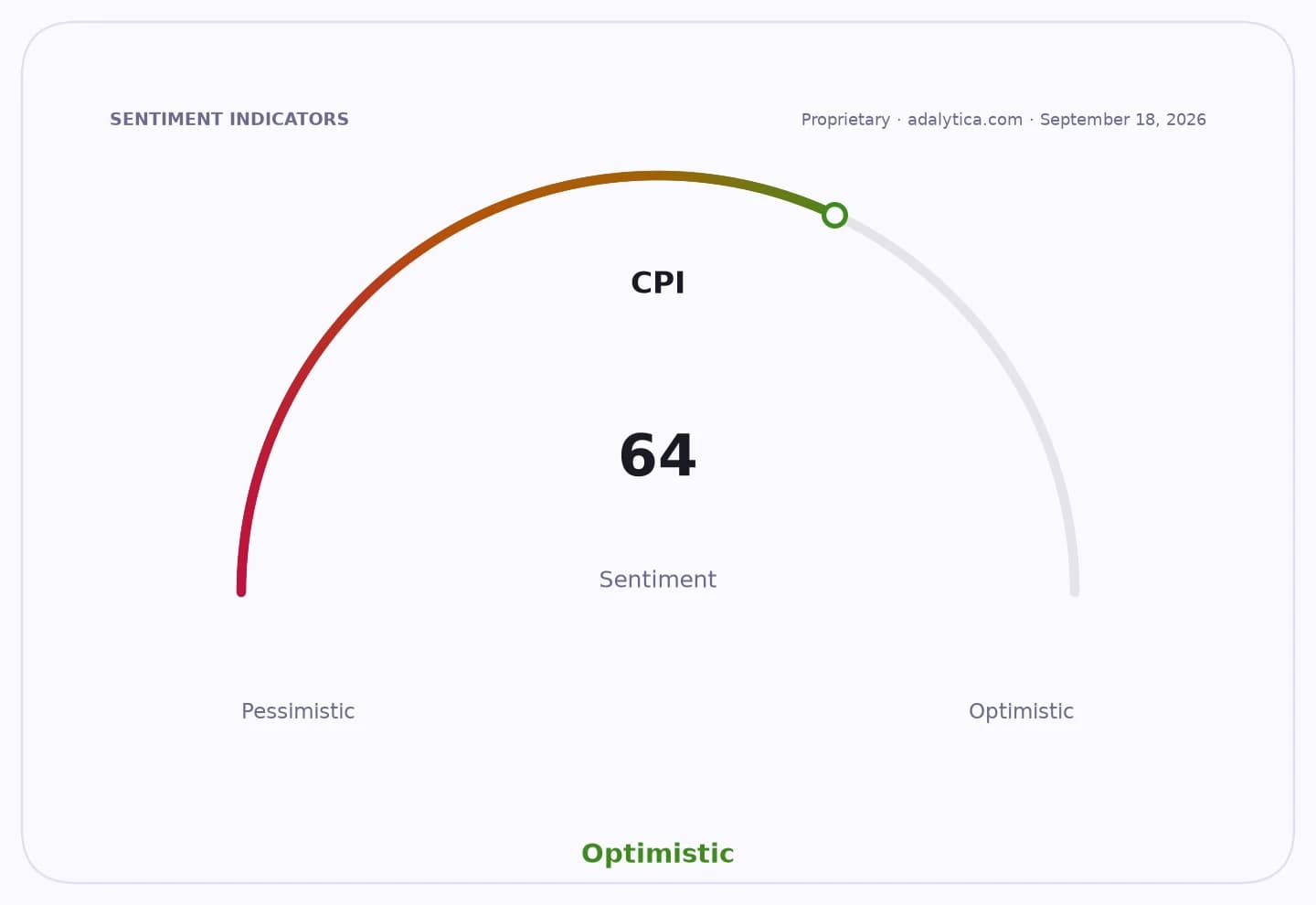
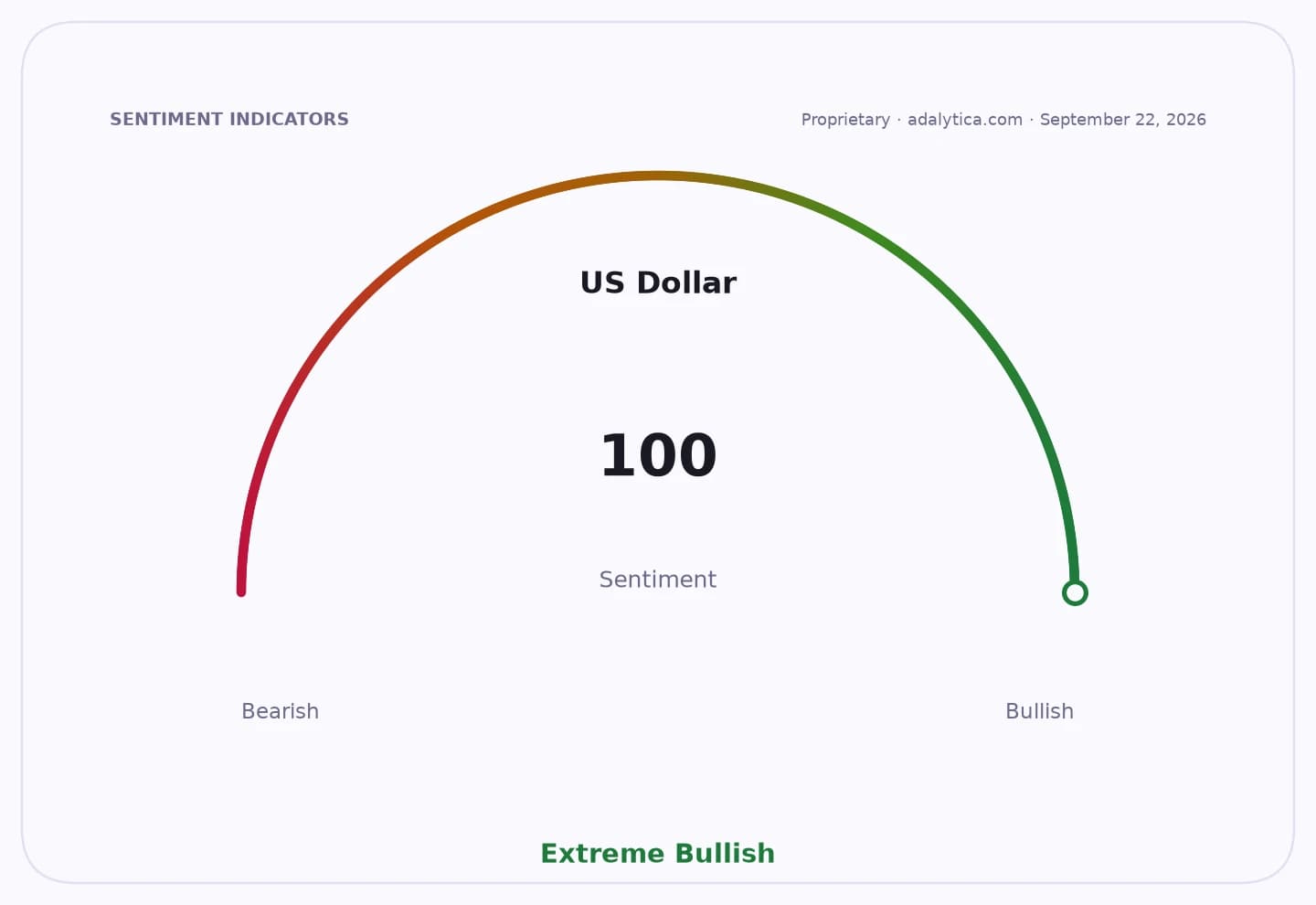
Sentiment IndicatorsⓘProprietary · adalytica.com · September 20, 2026
This is a snapshot — live sentiment, awareness and momentum for 130+ markets update continuously in the dashboard.Open AlphaPulse
The main driver was energy. Prices for domestic products rose 2.1% on the month, while imported goods increased 2.9%. Within domestic products, primary goods climbed 4.6%, led by an 8% rise in crude oil and gas, which economy minister Luis Caputo said accounted for 0.71 percentage point of the monthly increase. Manufactured goods, which make up more than 70% of the wholesale basket, rose 1.3%, the slowest August increase since 2016, a sign that some parts of the cost structure remain contained even as commodities reaccelerate.
That combination is important for the broader inflation outlook. Argentina’s consumer inflation cooled to 1.7% in August, but wholesale data suggest the pipeline has not fully normalized. Economists said the move reflected a weaker peso at the margin, a jump in global oil prices and higher agricultural commodities, all of which are hard for local policy to control and can feed into retail prices with a lag.
For investors, the reading complicates the disinflation trade. Milei’s administration has leaned on falling inflation to support confidence in the peso, anchor expectations and keep market access open. A renewed rise in input costs raises the odds that monthly CPI readings stop easing as quickly as hoped, which could keep pressure on local rates, sovereign risk premiums and retail spending. It also argues for caution on consumer-facing equities and import-dependent businesses that face thinner margins if cost increases cannot be passed on.
There is still a bull case. If wholesale inflation stabilizes near 2% a month, as some economists expect, the August jump may prove temporary and mostly energy-driven rather than a broad-based relapse. But the bear case is that commodity volatility, a less stable exchange rate and geopolitical shocks keep pushing up transport, food and industrial input costs, making it harder for the government to sustain the pace of disinflation.
For now, the August report suggests Argentina’s inflation fight is no longer being won in a straight line. The next tests are whether wholesale prices cool again in September and whether manufacturers and retailers absorb the latest cost shock or pass it on to households.
| Entity | Gains | Losses |
|---|---|---|
| Energy producers | ▲Higher input prices | ▼Cost-conscious consumers |
| Importers | ▲None | ▼Margins from dearer goods |
| Argentine government | ▲Some manufactured-price moderation | ▼Disinflation credibility |
| Consumers | ▲Possible temporary price stability | ▼Purchasing power |