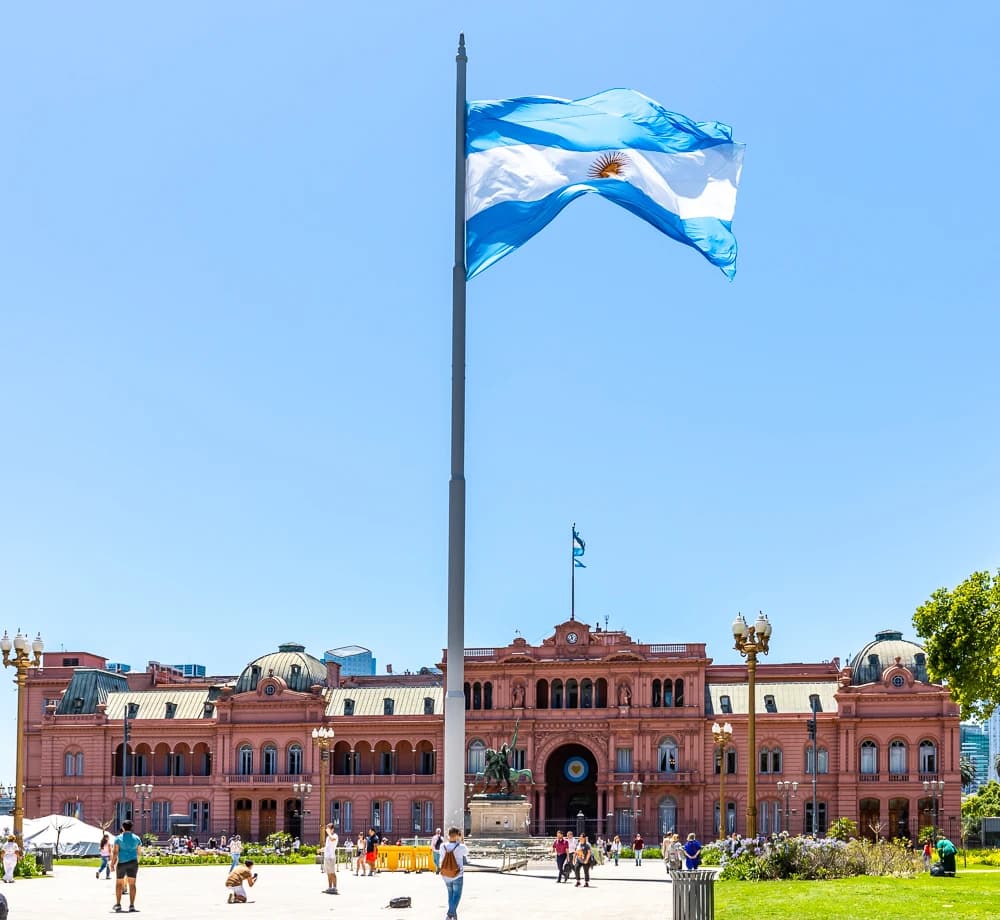
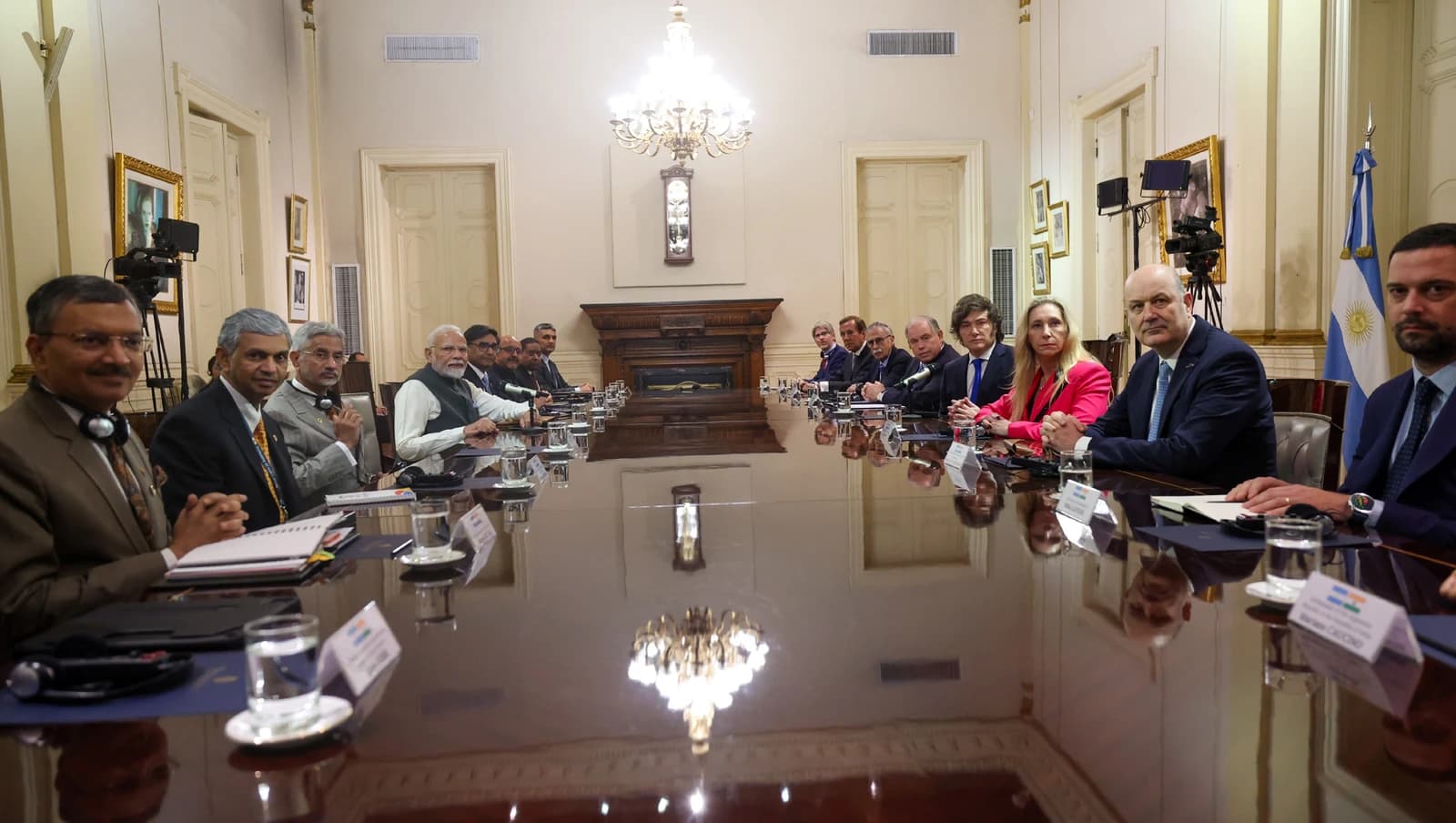
Javier Milei’s public embrace of Donald Trump at the United Nations underscored how closely Argentina is tying its diplomatic and economic reset to Washington at a moment when investors are still asking whether the country can convert political alignment into lower risk premia, fresh capital and steadier markets.
Argentina Market Eyes Milei's Trump Alignment
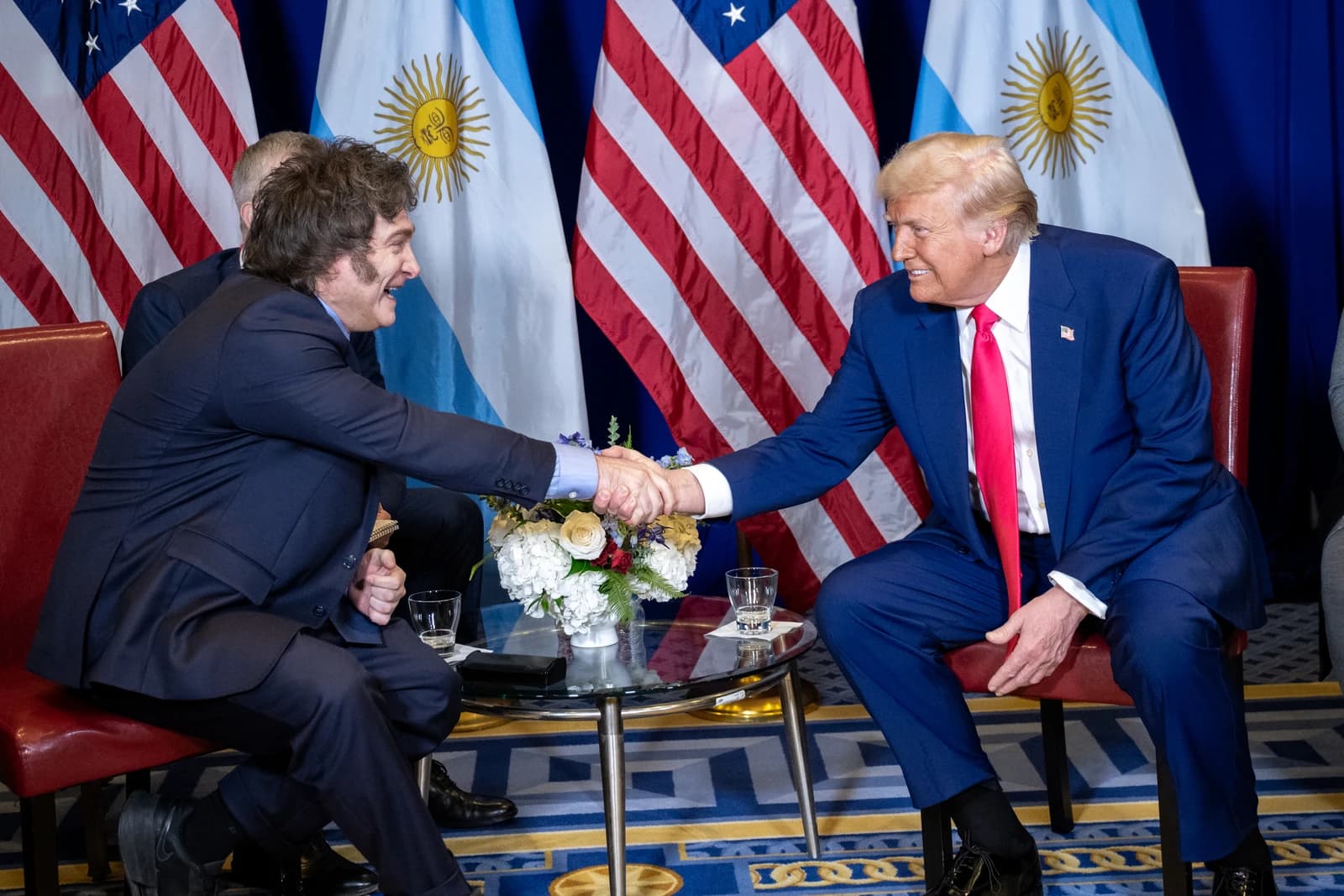
Milei called Trump’s leadership “masterclass” and said only a small group understood its “magnitude” while the U.S. president was speaking at the UN General Assembly, a pointed signal that Argentina’s leader wants to deepen his association with the Republican camp even before meeting top U.S. officials in New York. The message matters because Milei is not just managing optics: he is trying to reinforce Argentina’s access to foreign capital, support for reforms and credibility with international investors after a volatile first 20 months in office.
Sentiment IndicatorsⓘProprietary · adalytica.com · September 27, 2026
This is a snapshot — live sentiment, awareness and momentum for 130+ markets update continuously in the dashboard.Open AlphaPulse
The symbolism lands in a market that remains highly sensitive to any hint of external backing. Argentina’s country-risk narrative has long depended on whether the government can persuade creditors and investors that fiscal adjustment, deregulation and political discipline will survive beyond the next headline cycle. Milei’s alignment with Trump and with U.S. policymakers such as Secretary of State Marco Rubio is meant to strengthen that case. For investors, the calculation is simpler: closer ties to Washington may not fix Argentina’s structural problems, but they can help lower perceived policy risk if they translate into financing channels, multilateral support and a friendlier stance toward reforms.
That is why the trip to New York has been framed around meetings with U.S. officials, business leaders and financial audiences, including the Economic Club of New York. Milei’s government is seeking to keep foreign investors focused on the reform agenda rather than on political noise, and the visit offers a platform to argue that Argentina is becoming more investable. If that message is credible, it supports local assets, dollar bonds and equity exposure through vehicles such as the ARGT exchange-traded fund.
Geopolitical Risk vs ARGTadalytica.com
Explore this data interactively — full history, time series and cross-market comparisons.Open AlphaPulse
The market backdrop, however, is still mixed. ARGT has slipped to $88.60 from a recent high near $96, while its 50-day moving average sits above the current price, a sign that enthusiasm has faded after an earlier rally. The RSI reading of 16.5 points to an oversold market, which can attract bargain hunters, but it also reflects how quickly sentiment can reverse when investors doubt follow-through on policy or external support. Broader emerging-market gauges have been steadier, with EEM trading around $67.98 and still above both its 50-day and 200-day moving averages, suggesting Argentina-specific caution rather than a wholesale retreat from emerging assets.
The message from markets is that Milei’s rhetoric still matters, but only if it is matched by tangible economic progress. For bulls, the Trump link strengthens Argentina’s geopolitical positioning and could improve access to capital if it helps secure U.S. goodwill. For bears, the risk is that the relationship becomes mostly theatrical, offering political symbolism without curing inflation, reserves pressure or the need for continued fiscal discipline.
Milei’s UN stop is therefore less about one social-media post than about a broader bet: that an openly pro-U.S., pro-market foreign policy can buy Argentina time, credibility and financing. Investors will be watching whether the praise for Trump is followed by concrete diplomatic, financial or investment gains — and whether those gains are enough to keep Argentine assets from sliding back into discount territory.
| Entity | Gains | Losses |
|---|---|---|
| Javier Milei / Argentina | ▲U.S. goodwill and investor attention | ▼Risk of appearing performative |
| Donald Trump | ▲Public endorsement from a foreign leader | ▼No direct policy concession yet |
| Argentine assets (ARGT) | ▲Potential political support narrative | ▼Weak price momentum and volatility |
| Emerging-market investors | ▲Possible reform upside in Argentina | ▼Uncertainty if rhetoric outpaces delivery |