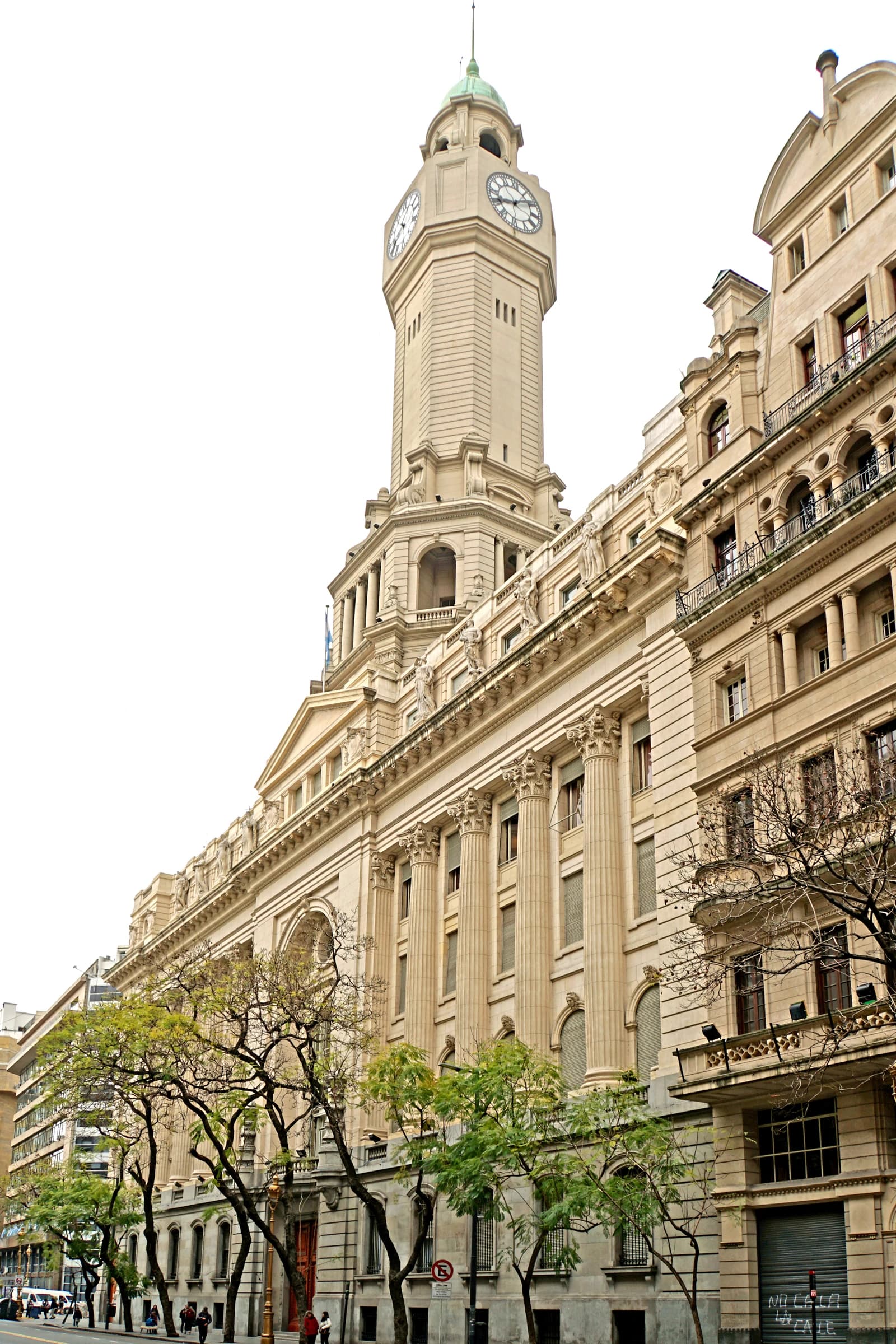
Argentina’s risk premium is surging again just as Javier Milei is trying to convince investors that austerity, arms spending and a wave of energy concessions can keep his reform story alive.
Argentina risk premium rises on Milei spending push
The immediate market signal is ugly: dollar bonds have pushed through 1,000 basis points of spread over U.S. Treasuries, more than double the level seen four months ago, while the peso keeps sliding toward 1,600 per dollar at the official rate. For investors, that is not just a pricing issue — it is a financing wall. Argentina faces about $4.5 billion of bond maturities in January, a still-fragile reserve position and a market that is already pricing in a much harder path back to external funding.
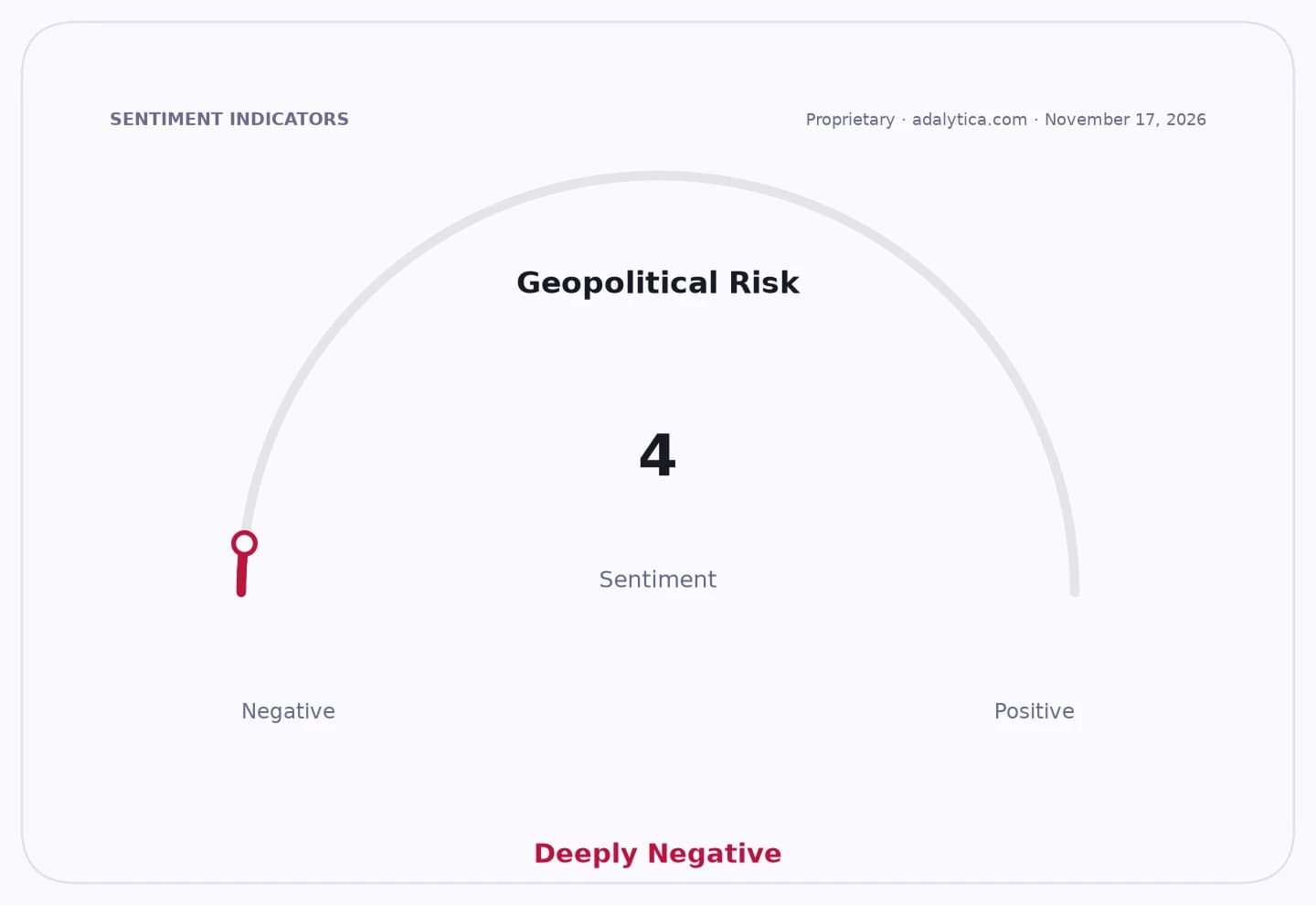
Sentiment Indicators
That matters economically because Milei’s entire adjustment program depends on maintaining enough credibility to keep inflation, debt service and the exchange rate from feeding on one another. Instead, the country is sliding toward a familiar trap: export earnings are improving thanks to oil, mining and a strong farm harvest, but industrial output, trade and consumption are weakening enough to tip the economy into technical recession. A weaker domestic economy means lower tax receipts, which makes it harder to preserve the primary surplus without even deeper cuts.
The political backdrop is doing no favors. Argentina’s assets are back near the levels last seen around the 2025 legislative-election panic, a reminder that investors still view the reform path as reversible. Milei insists the market is pricing in fear of a return to the old economic model, but the market is reacting to something more concrete: the government’s ability to sustain painful fiscal tightening while growth softens and foreign-currency demand keeps draining the central bank.
Geopolitical Risk vs ARGTadalytica.com
Explore this data interactively — full history, time series and cross-market comparisons.
Geopolitical Risk
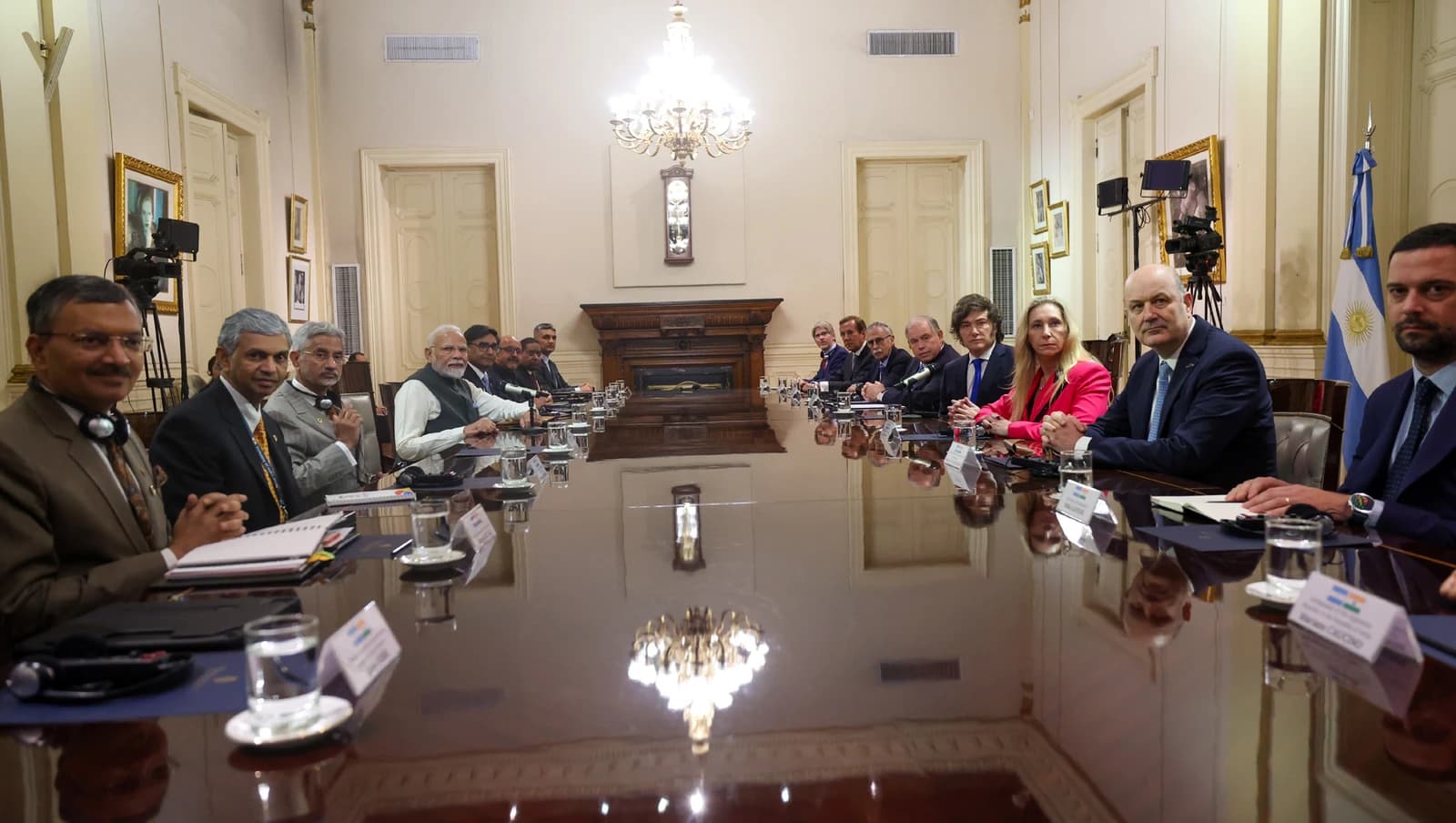
That is why the defense push is so striking. Milei has frozen much of the welfare state, yet defense spending is set to jump from roughly $381 million now to more than $3.5 billion by 2027. A memorandum signed in Rome opens the door to about 900 million euros of Italian military purchases, including vessels and combat systems from Fincantieri and Leonardo. For creditors, the question is obvious: if the government is still leaning on borrowing and austerity, why is it expanding one of the least essential budget lines so aggressively? The answer is political as much as strategic — Milei wants to project strength — but the market will read it as another claim on already scarce fiscal room.
The bigger investment story may be Vaca Muerta, where the government has approved the “Argentina LNG” project with YPF, Eni and XRG. At an estimated $51 billion, it is being sold as the country’s largest-ever investment and a potential export engine that could eventually reshape Argentina’s external accounts. That is the bullish case the market should not dismiss. If LNG, oil and mining scale as planned, Argentina could finally generate hard-currency flows large enough to reduce its chronic dependence on the IMF and the dollar market.
But the environmental and execution risks are huge, and that is precisely why the opportunity remains asymmetric. The project’s scale implies years of infrastructure buildout, regulatory coordination and capital discipline at a time when the country’s institutions are under strain. If Milei can keep the fiscal anchor in place long enough for energy exports to ramp, Argentina could re-rate sharply from distressed levels. If he cannot, the bond market is right to demand a punishing premium.
| Entity | Gains | Losses |
|---|---|---|
| YPF, Eni, XRG | ▲LNG export upside | ▼Execution and environmental risk |
| Italian defense suppliers | ▲New Argentine orders | ▼Budget scrutiny |
| Argentine sovereign bondholders | ▲Potential reform rebound | ▼Wider spreads and refinancing risk |
| Argentine consumers and workers | ▲Long-term export boom | ▼Austerity and weaker real incomes |