Argentina’s push to make education, technology and innovation the backbone of the post-Milei economy is colliding with a harsher market reality: investors are still pricing in political and macroeconomic uncertainty, and local assets are under pressure.
Argentina Stocks Fall as Innovation Story Meets Market Reality

That tension is the real story behind the sharp move in Argentine-linked shares. Telecom Argentina, which trades on the NYSE under the ticker TEO, fell to $10.01 on Nov. 19 from $15.98 in June, erasing much of this year’s gains. Loma Negra, another closely watched Argentine name, slipped to $8.12 from a 2026 high of $11.85 and is now trading below both its 50-day and 200-day moving averages. For long-term investors, the message is simple: the market still wants proof that Argentina can convert its pro-innovation rhetoric into stable growth, better capital allocation and a more predictable policy mix.
Sentiment Indicators
That matters economically because innovation is not just a slogan. Countries that raise productivity through technology, logistics, software and skilled labor tend to attract more investment, expand margins and create better jobs over time. In Argentina, where reform fatigue and currency swings have repeatedly undermined confidence, a credible shift toward education and innovation could be the difference between cyclical rallies and a durable re-rating of the whole market.
But the market is not there yet. Telecom Argentina’s volume and technicals show a stock that has lost momentum after a strong midyear run. Its relative strength index has fallen into the high-30s, a sign of fading buying pressure, while the share price sits below the 50-day average and not far from the lower end of its recent trading range. Loma Negra looks even weaker: its RSI is near oversold territory and the stock has broken below both key trend lines, suggesting investors are still de-risking exposure to Argentina despite any longer-term reform story.
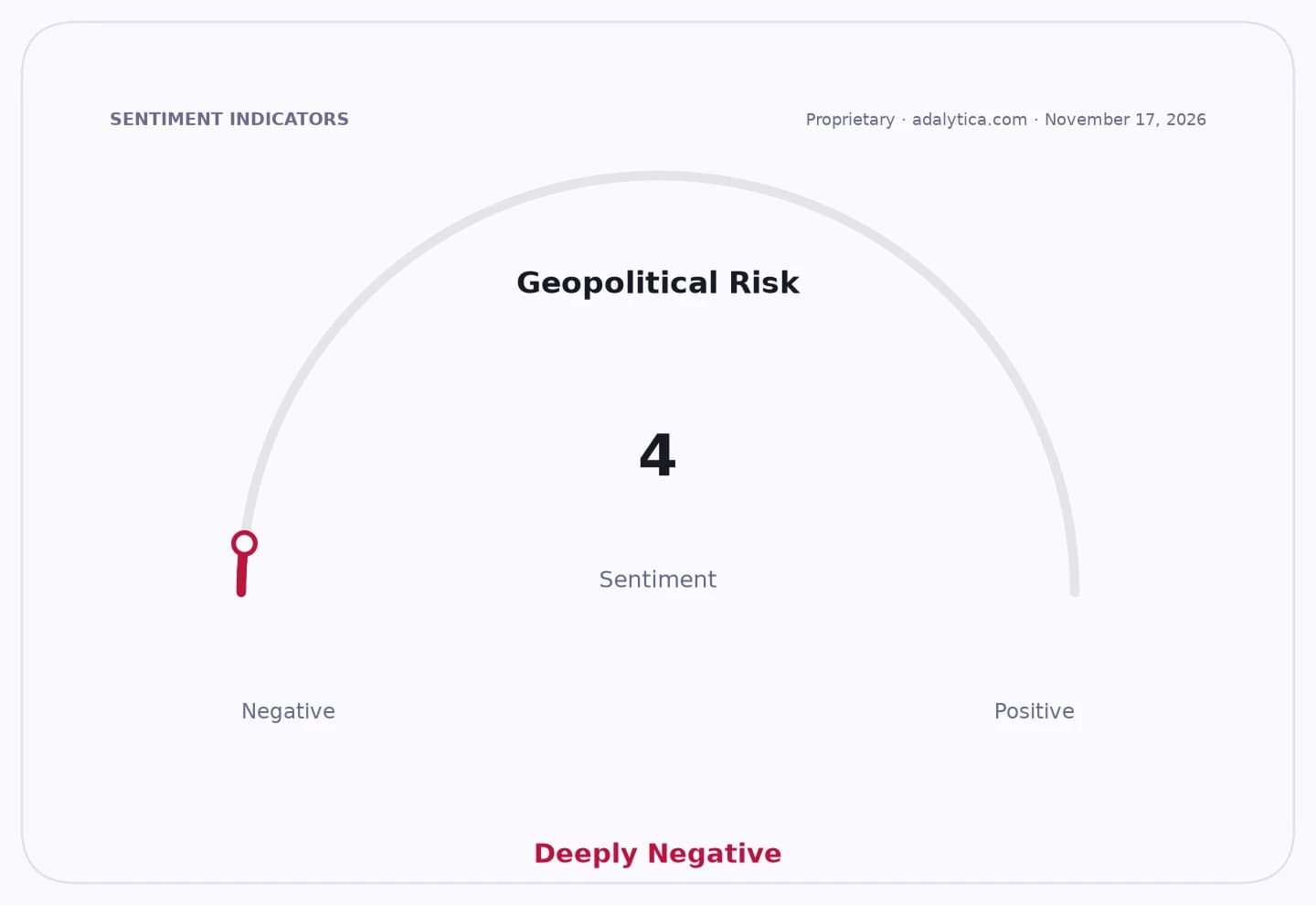
The broader backdrop is not helping. Adalytica’s Global Stability Sentiment is at 11, labeled “Extreme Fear,” while its US Dollar Trade Signals also show “Extreme Fear,” a reminder that global capital is still cautious about risk. In that environment, Argentina has to do more than talk about innovation. It needs consistent policy, lower inflation, better financing conditions and a business climate that lets companies invest for the next decade instead of the next quarter.
For investors, the takeaway is not to chase every headline about change in Argentina, but to watch which companies can actually turn reform into cash flow. Telecoms, builders, exporters and technology-enabled businesses could benefit if the country steadies itself. Until then, volatility will remain part of the price. Long-term investors may find opportunity here, but only with patience, diversification and a willingness to wait for execution to match the story.
| Entity | Gains | Losses |
|---|---|---|
| Innovation-focused companies | ▲Better growth prospects | ▼Dependence on policy follow-through |
| Argentine consumers | ▲More productivity, better services | ▼Short-term economic uncertainty |
| Telecom Argentina (TEO) | ▲Long-term digital demand | ▼Near-term price pressure |
| Loma Negra (LOMA) | ▲Infrastructure upside | ▼Weak sentiment and de-rating |