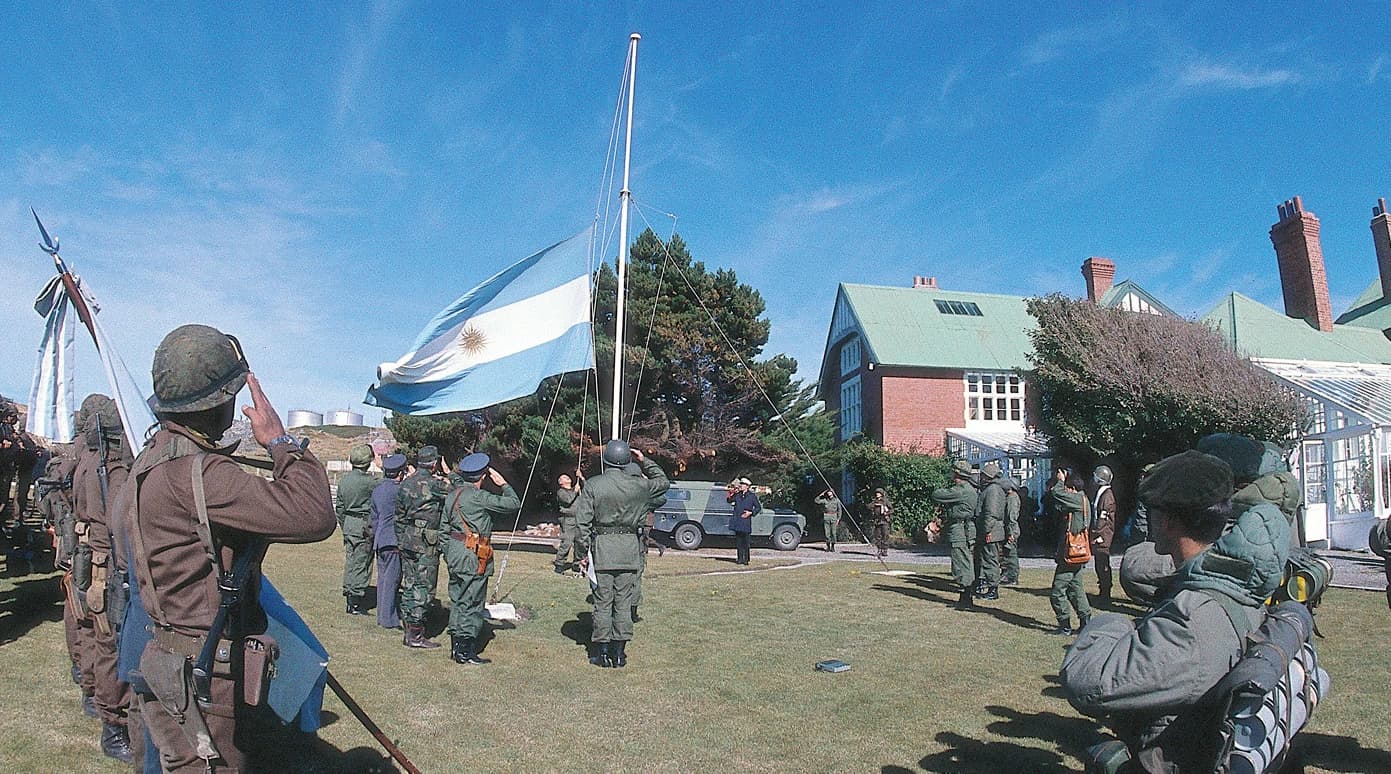
Javier Milei is redirecting Argentine spending toward defense in the South Atlantic, boosting financing for the Ushuaia integrated naval base while trimming another 35.1 billion pesos in transfers to provinces, a move that reinforces his control over the budget and sharpens his Malvinas policy.
Argentina boosts Ushuaia base funding, cuts provinces
The decree-driven shift matters economically because it reallocates scarce fiscal resources rather than expanding the overall spending envelope. The government said the reworked defense budget totals 218 billion pesos, with the Air Force receiving 8.115 billion pesos more, including 5.915 billion pesos for operational readiness tied to military infrastructure and logistics in Ushuaia, plus 2 billion pesos for equipment and IT systems.
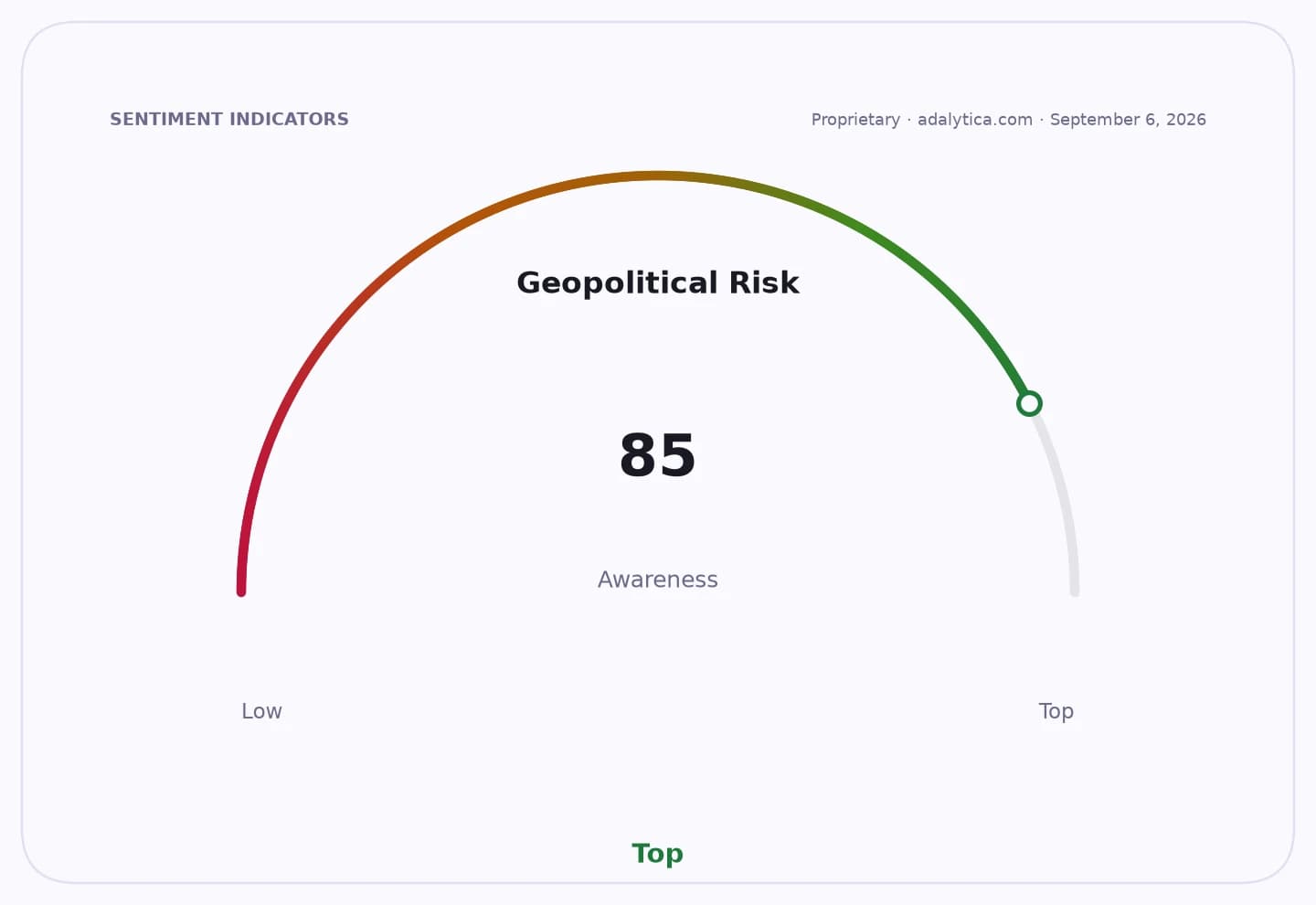
Sentiment IndicatorsⓘProprietary · adalytica.com · September 6, 2026
This is a snapshot — live sentiment, awareness and momentum for 130+ markets update continuously in the dashboard.Open AlphaPulse
The bigger picture is a trade-off investors know well in Argentina: stronger central spending on strategic projects, tighter flows to the interior. The new cuts to provincial transfers follow earlier reductions of 253.3 billion pesos in national social assistance for personnel, underscoring Milei’s determination to preserve the fiscal adjustment even as he funds politically sensitive defense priorities.
The Ushuaia project itself has been slow-moving, with only 9% completion since construction began in 2022 after Milei halted financing. The government now wants to accelerate port and military works, including expanding Ushuaia’s international airport runway and building a new port designed for both commercial and military use, with administration likely to sit with the armed forces.
The move also carries geopolitical weight. Buenos Aires says the base will unify naval, army and air operations to strengthen surveillance in the South Atlantic and protect natural resources around the Malvinas, while the foreign ministry has had to deny any U.S. handover plan after the tighter Malvinas posture drew fresh attention.
A second decree tightens enforcement against unauthorized hydrocarbon activity on Argentina’s continental shelf and bars companies linked to illegal exploration around the islands from benefiting under the RIGI tax, customs and FX regime. That raises the cost of doing business for energy firms with disputed-area exposure and gives the state faster tools to impose administrative, criminal and commercial sanctions.
For investors, the key issue is not just defense spending, but the precedent: Milei is willing to ring-fence strategic outlays and enforce resource nationalism while still cutting transfers to provinces. That combination could support sovereign discipline, but it may also deepen tensions with regional governments and complicate future infrastructure and energy investment decisions.
The next test is execution. Defense minister Carlos Presti is due to outline the base project details, and markets will watch whether the government can turn the decree into physical progress without reopening the fiscal and political fight with the provinces.
| Entity | Gains | Losses |
|---|---|---|
| Milei government | ▲tighter control of budget | ▼provincial backlash |
| Defense ministry | ▲more funding | ▼social/provincial transfers |
| Provinces | ▲— | ▼35.1 billion peso cut |
| Energy firms with Malvinas exposure | ▲— | ▼RIGI access, sanctions risk |