Armenia and Poland are moving to deepen economic ties at a business forum in Yerevan, a push that matters because it could help Yerevan widen export routes and attract investment at a time when trade with its traditional partners is under strain.
Armenia and Poland deepen trade ties in Yerevan

The clearest economic significance is not the symbolism of the visit, but the attempt to turn a modest bilateral relationship into a practical commercial channel. Armenian officials said trade with Poland reached about 19 million euros in 2025, up by roughly 12 million euros in a year, while Poland said its delegation included 15 companies spanning manufacturing, banking and IT. For Armenia, that suggests room to diversify away from more constrained regional supply lines and reduce dependence on a narrower set of markets.
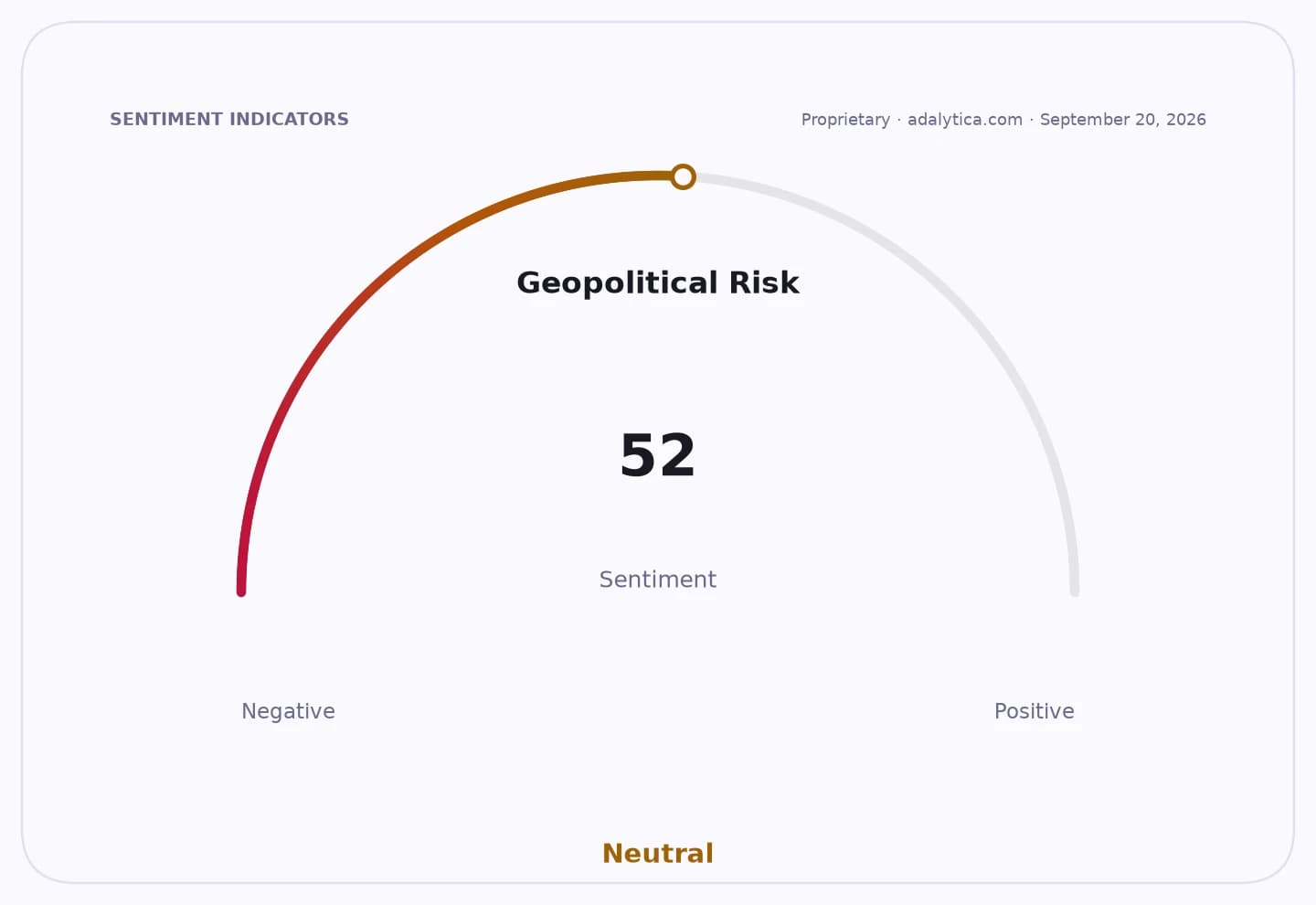
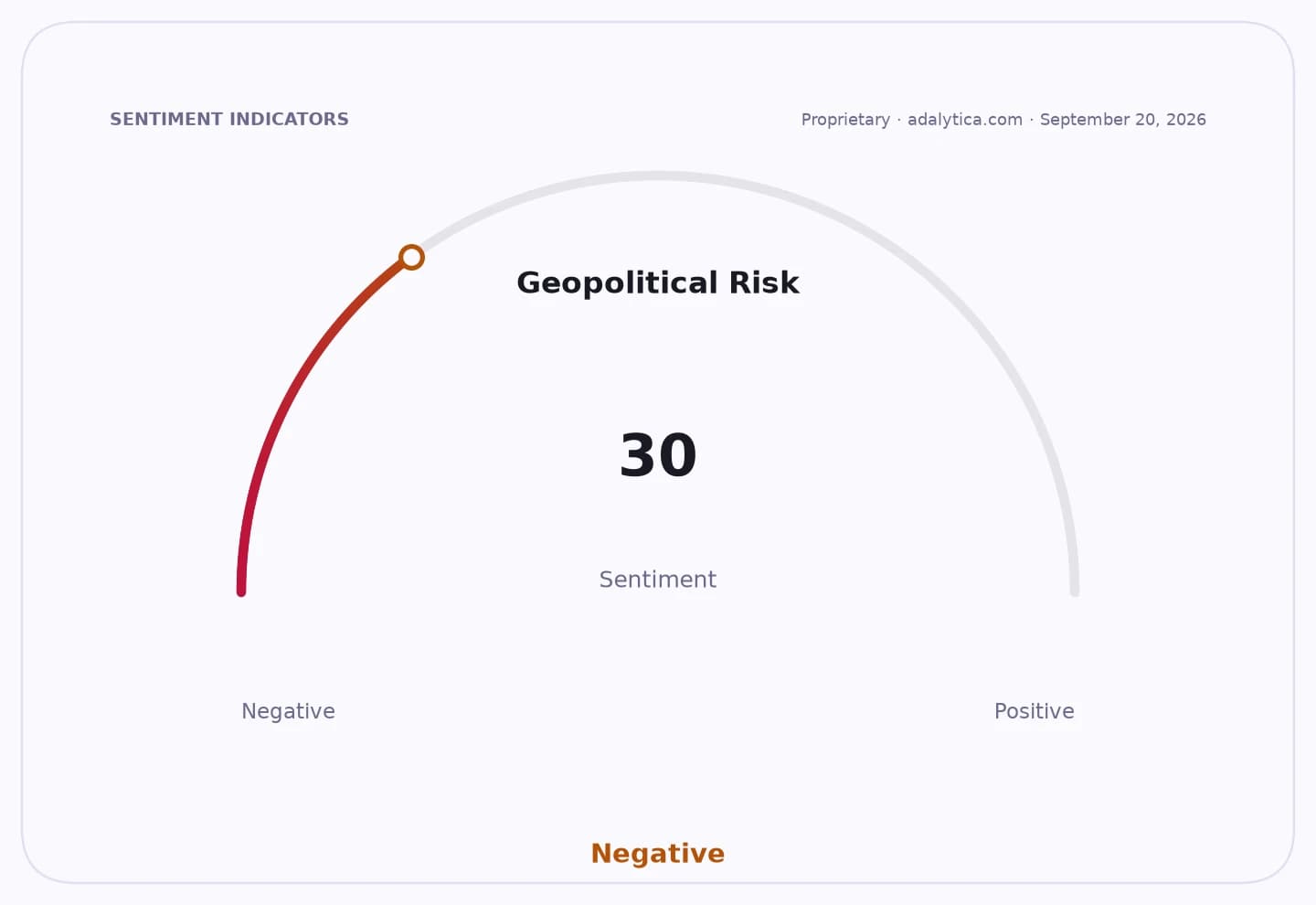
Sentiment IndicatorsⓘProprietary · adalytica.com · September 11, 2026
This is a snapshot — live sentiment, awareness and momentum for 130+ markets update continuously in the dashboard.Open AlphaPulse
The forum also comes as Armenia faces pressure on exports, particularly agricultural goods. Officials said Polish authorities were among the first to open their market to Armenian farm products, giving the relationship near-term relevance for exporters looking for alternatives after recent disruptions. That is important for a small, open economy like Armenia’s, where even incremental access gains can matter for farmers, processors and logistics firms.
The talks are being framed as part of a broader policy shift. Armenia’s foreign ministry has been renamed to include international trade, underscoring a more explicit economic diplomacy agenda, while Yerevan and Warsaw already have a 2025-2027 roadmap covering trade, industry, transport, IT and agriculture. The two sides say the goal is to move commercial ties closer to the level of political relations, a sign that both governments see the relationship as more than a courtesy visit.
For investors, the near-term upside lies in new partnerships, financing links and possible export growth for Armenian agriculture, food processing and services. Polish firms, meanwhile, may see opportunities in a market the sides describe as underpenetrated, especially if Armenia continues to promote an open-door policy for EU capital. The bull case is that closer ties with Poland create a foothold for broader European integration and business flows.
The bear case is that the trade base is still tiny and the execution risk remains high. Armenia’s market is small, bureaucracy can slow deals, and regional geopolitical tensions continue to complicate supply chains. Even with political goodwill, the commercial payoff will depend on whether the forum produces actual contracts, investment pledges and easier market access.
The immediate watchpoints are whether the business delegation converts discussions into deals and whether Armenia can sustain export momentum into Poland and beyond. If it can, the forum may prove to be less a diplomatic gesture than an early step in reshaping Armenia’s trade map.
| Entity | Gains | Losses |
|---|---|---|
| Armenia exporters | ▲New EU market access | ▼Reliance on regional routes |
| Polish companies | ▲Entry into underpenetrated market | ▼Small market scale |
| Armenian government | ▲Trade diversification agenda | ▼Slow deal execution |
| Existing regional suppliers | ▲— | ▼Share of Armenian trade |