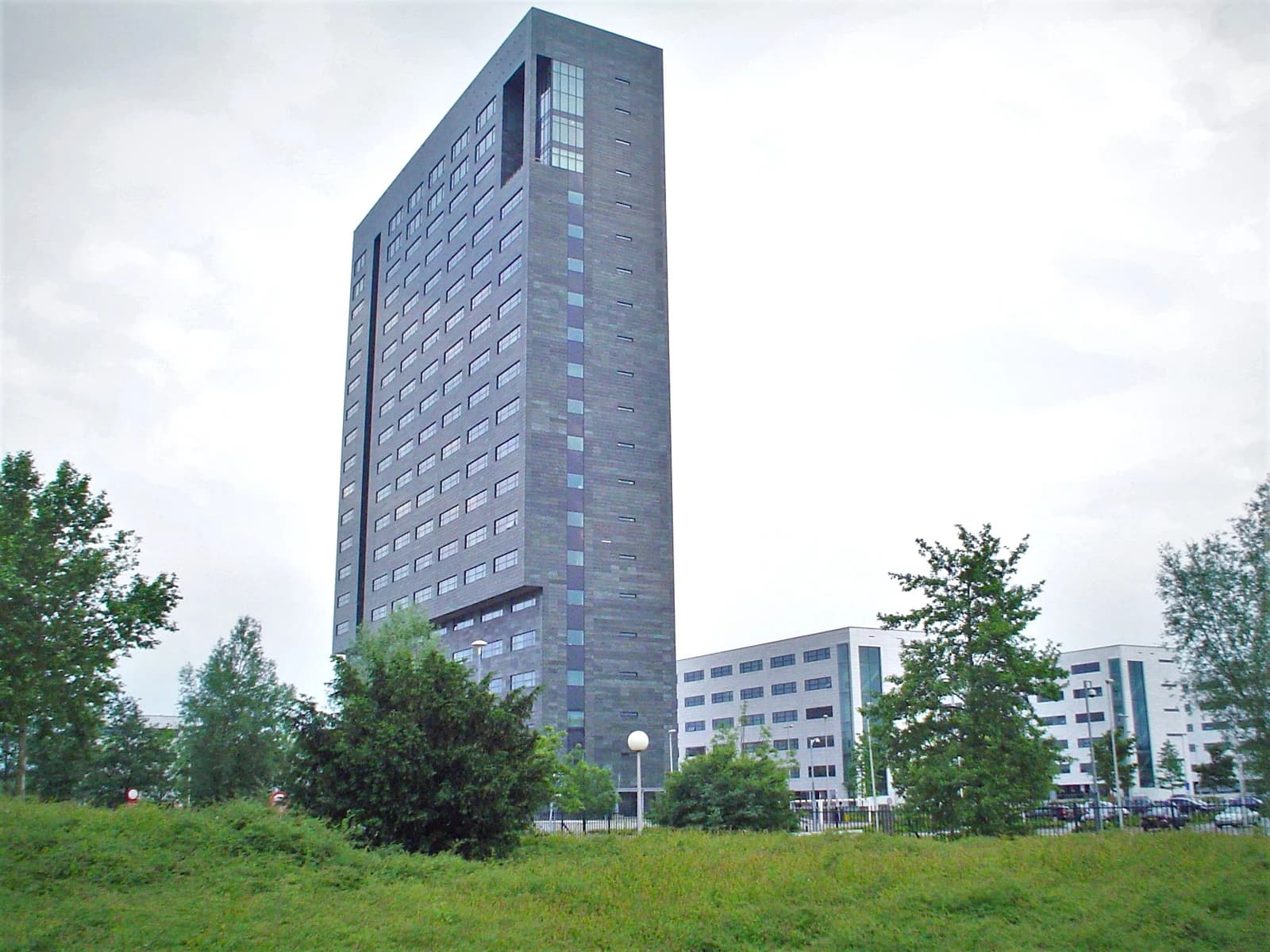
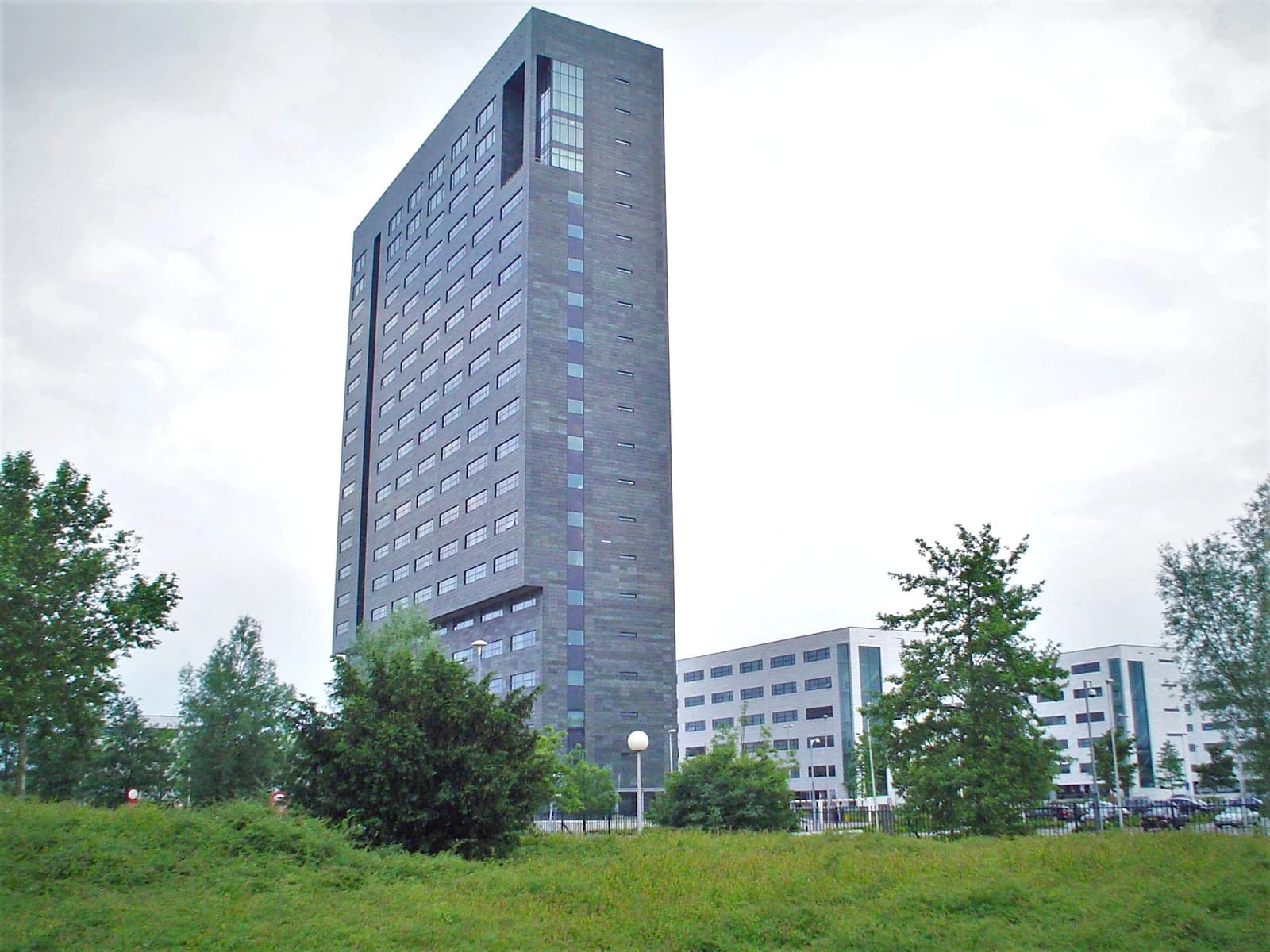
A 19-year-old who arrived in the Netherlands without speaking Dutch and now makes parts for ASML captures one of Europe’s most important industrial trends: the continent’s chip push is increasingly a workforce story, not just a technology one.
ASML workforce story in Europe’s chip push
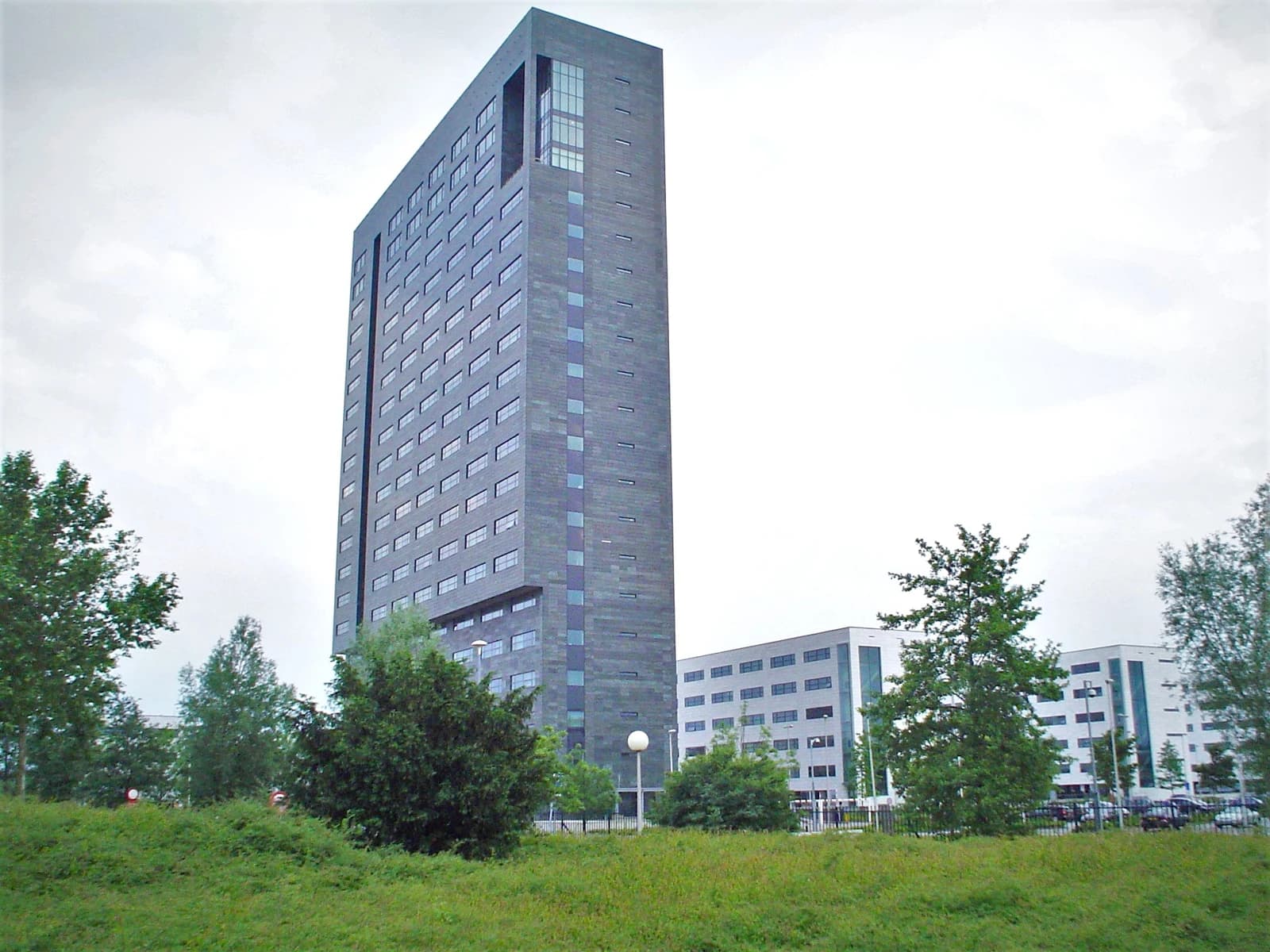
For ASML, the maker of the world’s most advanced lithography machines, the ability to find, train and keep skilled workers is becoming as critical as any order book swing. The company’s Q1 results showed €8.8 billion in sales and €2.8 billion in net income, with management guiding 2026 revenue of €36 billion to €40 billion and gross margin of 51% to 53%. That is a business still growing at scale, but one that depends on a deep bench of technicians, engineers and suppliers to convert demand into shipments.
The story of Maksym reflects how European manufacturing is widening its labor pool to meet that demand. Immigration, apprenticeships and on-the-job training are becoming central to high-value industrial production as companies in sectors from chips to autos and media cut staff in some areas while competing fiercely for specialized talent in others. In Germany and across the EU, policy makers have been pushing to draw in skilled migrants and professionalize younger workers, a response to aging workforces and chronic shortages in technical trades.
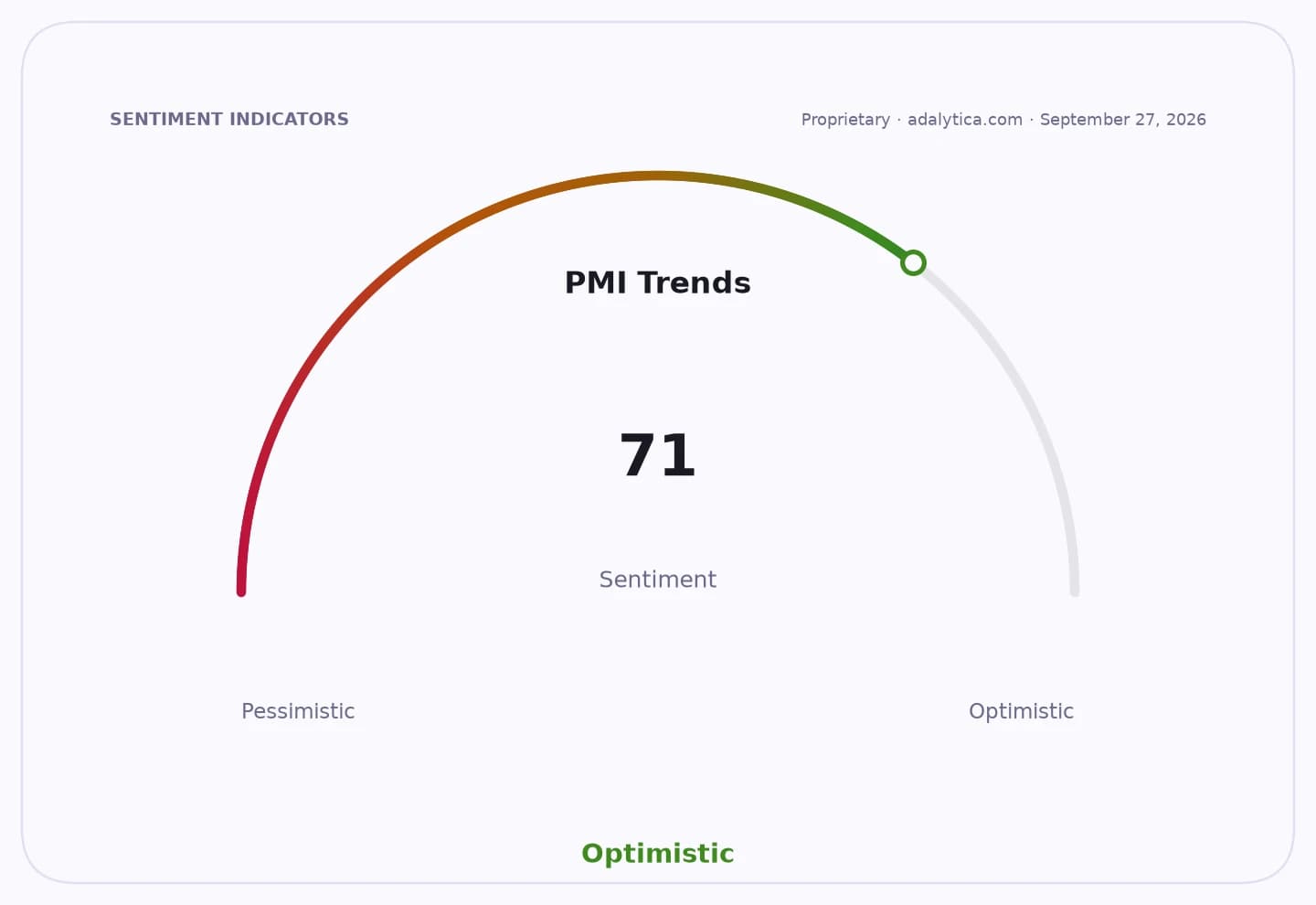
That matters economically because semiconductor equipment is one of the clearest channels through which Europe participates in the global AI and advanced manufacturing cycle. ASML sits at the center of that chain: its tools are indispensable for leading-edge chips, and every extra worker it can train helps convert structural demand into output. The company’s shares have also reflected that optimism. ASML closed at 1,867.31 euros on Oct. 2, above its 50-day and 200-day moving averages, though the RSI reading of 87 suggests the stock is technically stretched after a sharp run.
Investors care because the labor backdrop can shape how quickly ASML can execute on its growth plans and how much margin it can preserve while scaling. A tight hiring market or bottlenecks in specialist roles could slow deliveries even when demand remains healthy. The bullish case is that Europe’s push to attract and train young workers strengthens ASML’s supply chain and supports the region’s chip autonomy ambitions. The bear case is that labor shortages, wages and training costs become another constraint just as the company is trying to expand capacity.
The broader message is that Europe’s semiconductor strategy is no longer just about subsidies, fabs and export controls. It is about whether companies like ASML can build the skilled workforce required to sustain a strategic industry. Maksym’s path from newcomer to maker of precision parts is a small example, but in a sector where every component and every technician matters, it points to a larger economic shift.
| Entity | Gains | Losses |
|---|---|---|
| ASML | ▲Larger skilled talent pool | ▼Higher training and staffing costs |
| Young migrants/apprentices | ▲Entry into high-value work | ▼Slow credentialing and integration hurdles |
| European chip sector | ▲Better execution capacity | ▼Ongoing labor shortages |
| Short-term skeptics | ▲— | ▼Missed upside from workforce scaling |