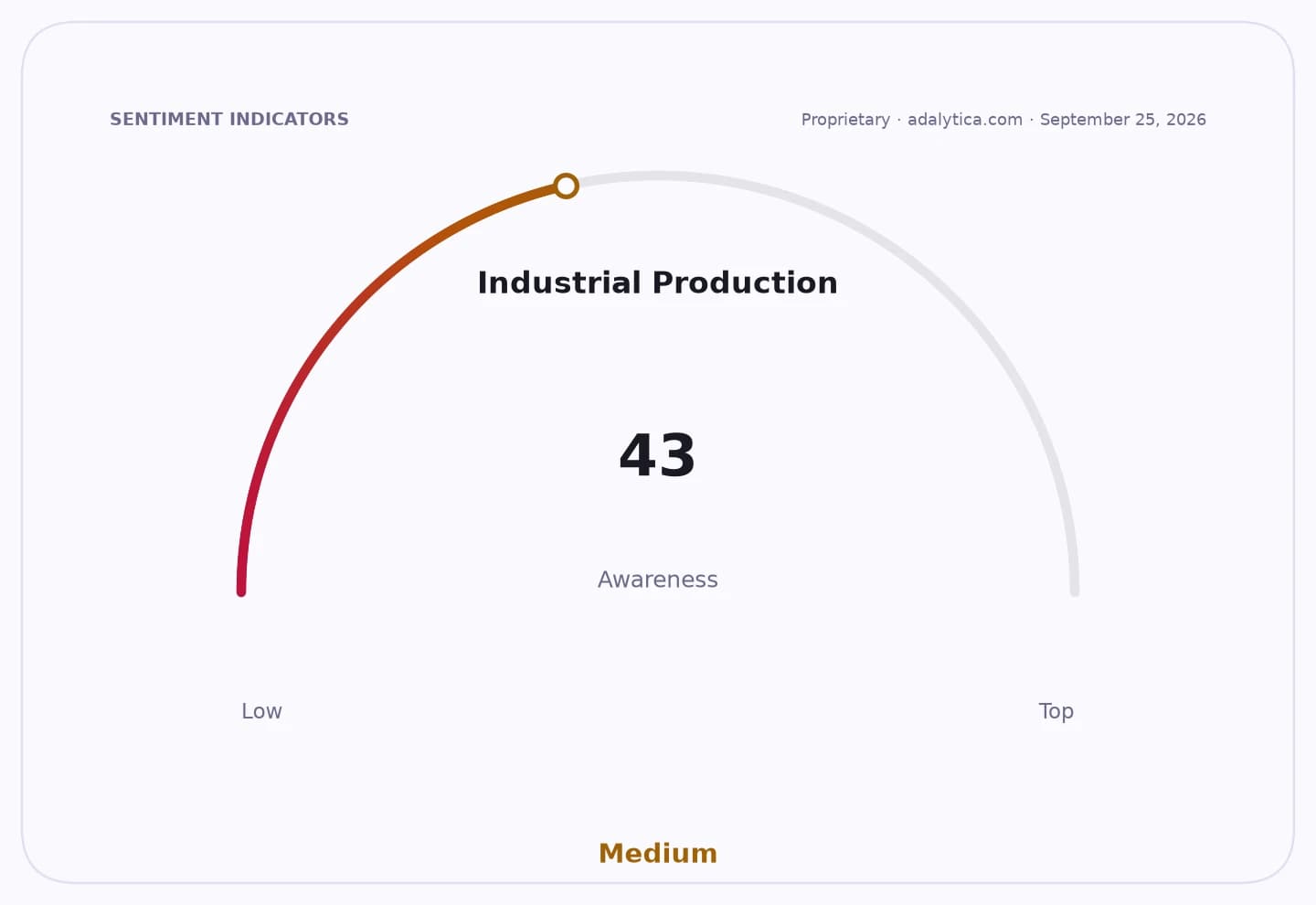
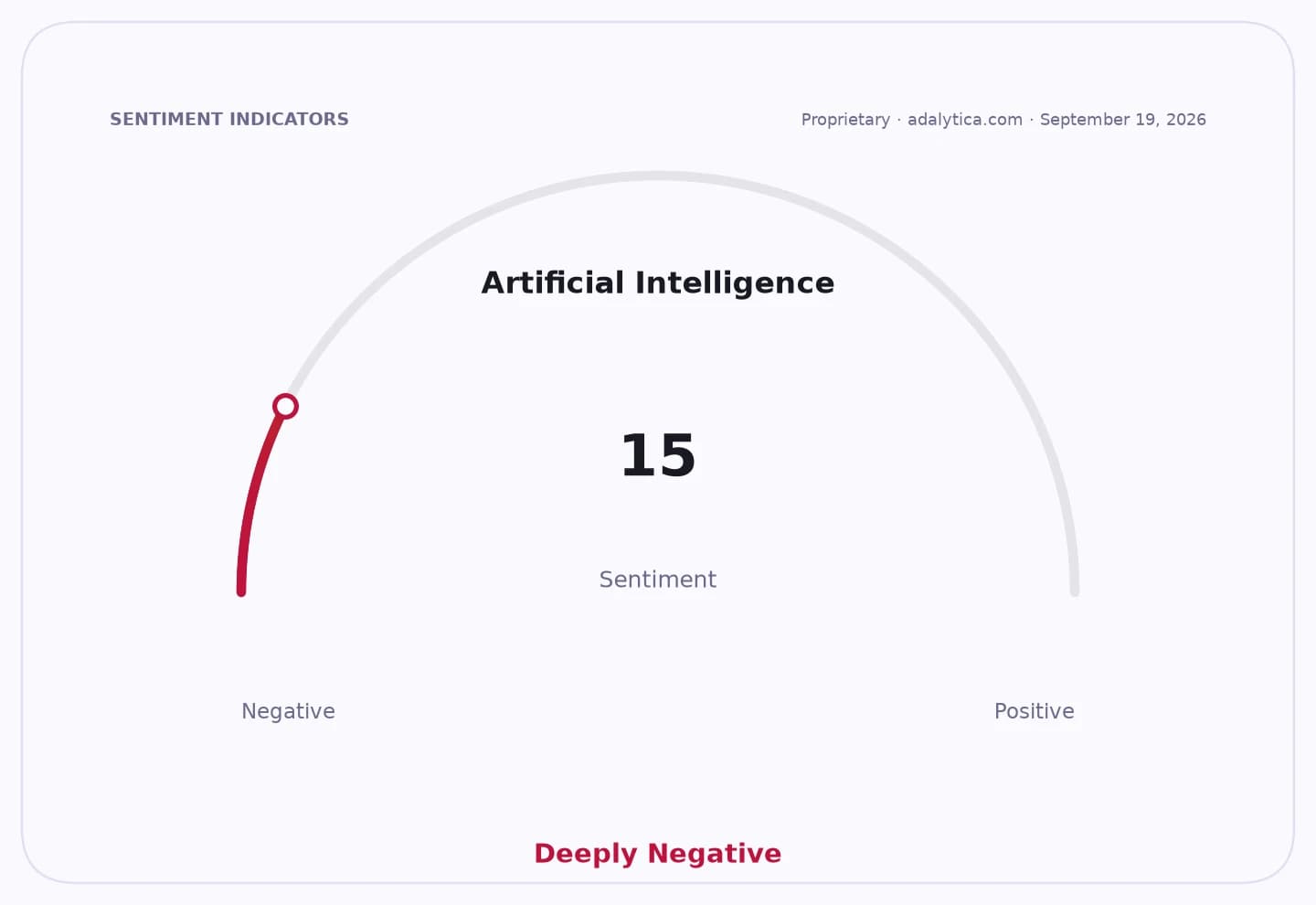
AI is becoming an operating tool, not just a cloud boom story, and that shift matters because it is starting to lift productivity in the parts of the economy that have historically been slowest to digitize. At Mainsa, a medium-sized industrial equipment rental and maintenance company in Cantabria, management says internal AI-driven software is already automating routine work, speeding repairs and reducing wasted trips — a template that could help smaller businesses raise output without large IT budgets.
AI adoption lifts productivity at Mainsa
José Antonio Gutiérrez Crespo, one of Mainsa’s managers, said the company’s BOX45 suite was built in-house to connect sales, incidents, warehouses, offers and customer service in real time, replacing phone calls, WhatsApp messages and paper records. The point, he said, is to let AI handle procedural tasks while staff focus on the “hard” work: complicated breakdowns, customer advice and key decisions.
That is economically important well beyond one company in northern Spain. The IMF has said AI could lift European productivity by about 1% over five years, a modest figure in headline terms but meaningful in economies where productivity growth has been anaemic for years. The more consequential question is not whether AI exists, but whether small and mid-sized firms can adopt it cheaply enough to change day-to-day operations. Mainsa’s answer is that they can. Gutiérrez said the company can now develop and improve tools in days rather than months, and that software tailored to the workflow of mechanics, warehouse staff and office teams is more effective than generic packaged systems.
For investors, the story reinforces two linked themes. First, AI monetisation is broadening beyond hyperscale cloud providers and chipmakers into vertical software, workflow automation and industrial digitisation. Second, the long-term demand case for the AI ecosystem is not only model training and inferencing at the largest firms, but the spread of low-cost AI tools into thousands of smaller businesses that need to work faster and with fewer errors. That supports the investment case for infrastructure, software and industrial technology providers positioned on the adoption layer, even as it raises questions about how quickly productivity gains will show up in aggregate economic data.
Mainsa says the software now helps technicians identify parts before they leave, reduces empty trips, and synchronises maintenance, inventory and billing so machines return to work faster. The company also argues that better maintenance extends equipment life, cuts waste and encourages customers to switch to electric and lithium-powered machines, linking AI adoption to lower emissions as well as lower operating costs.
The bull case is that this is the kind of practical, small-step adoption that eventually compounds into measurable efficiency gains across fragmented sectors such as construction, logistics and industrial services. The bear case is that productivity benefits may remain local and uneven, especially if middle-skilled roles are squeezed before new, higher-value tasks are created. The IMF has already warned that AI could disproportionately affect middle-skilled workers, a risk that matters in regions where small firms are major employers.
Mainsa plans to hire an engineer in Heras and later market a simplified version of BOX45 to other small businesses, with first clients expected next year. If it works, the company would be an example of what AI’s next phase looks like: not a race for bigger models, but a race to turn cheap intelligence into better economics for ordinary firms.
| Entity | Gains | Losses |
|---|---|---|
| Mainsa | ▲Faster workflows | ▼Legacy paperwork |
| Small firms | ▲Cheaper automation | ▼Generic software vendors |
| AI providers | ▲Broader demand | ▼Slower adopters |
| Middle-skilled workers | ▲More strategic roles | ▼Routine tasks |