AI can generate a beautiful room in seconds, but the real economic value in interior design still comes from turning that image into a buildable plan, and that is where professional designers continue to matter most.
AI interior design tools still need human designers

For homeowners, the appeal is obvious. Tools such as ChatGPT, Home Visualizer AI, Remodel AI and ReimagineHome let people upload a photo, type in a few prompts and get an almost instant rendering of a kitchen, bunkie or living room in whatever style they want. That kind of speed can save weeks of back-and-forth and thousands of dollars in early concept work, making AI a useful starting point for renovations and cottage builds.
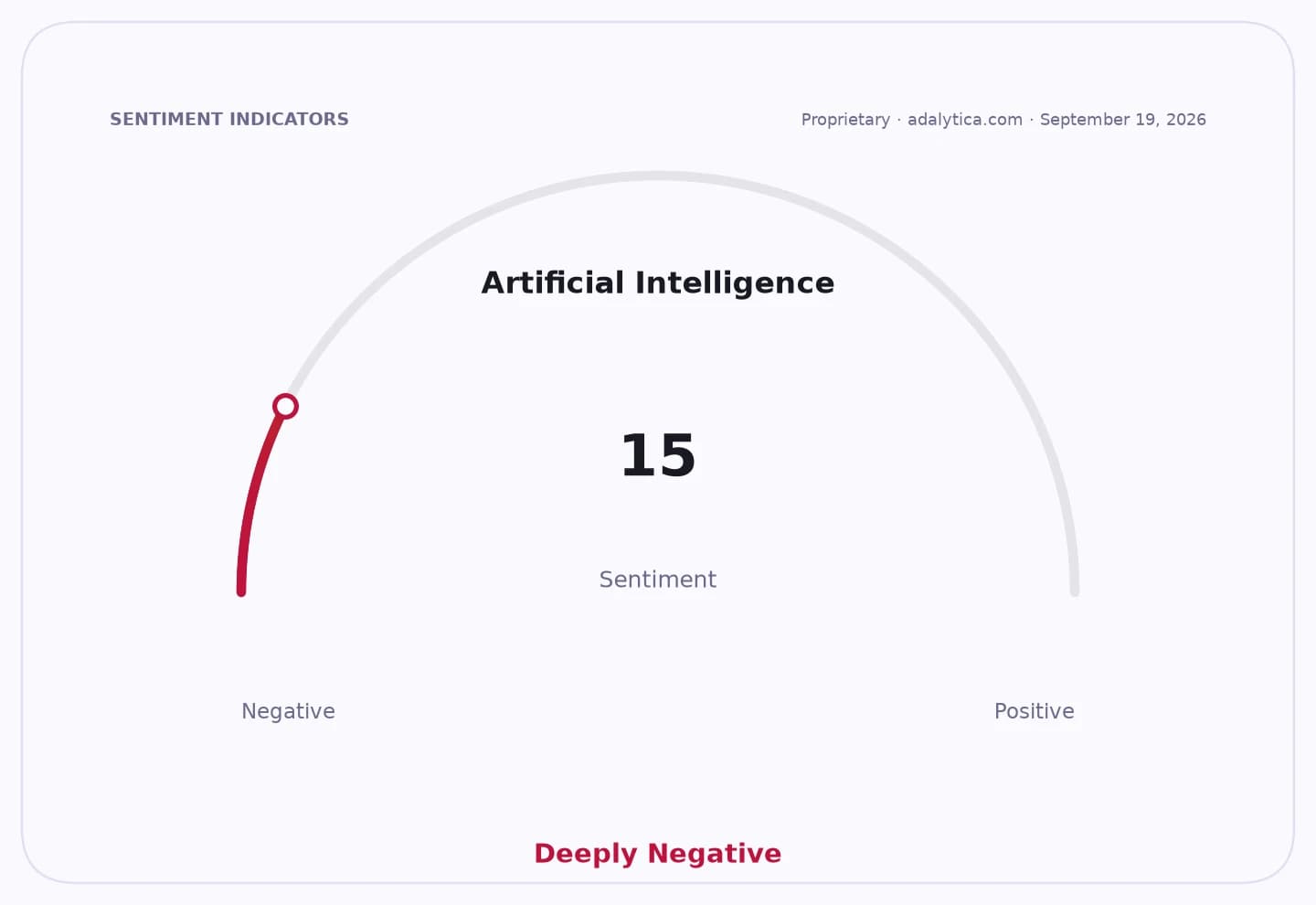
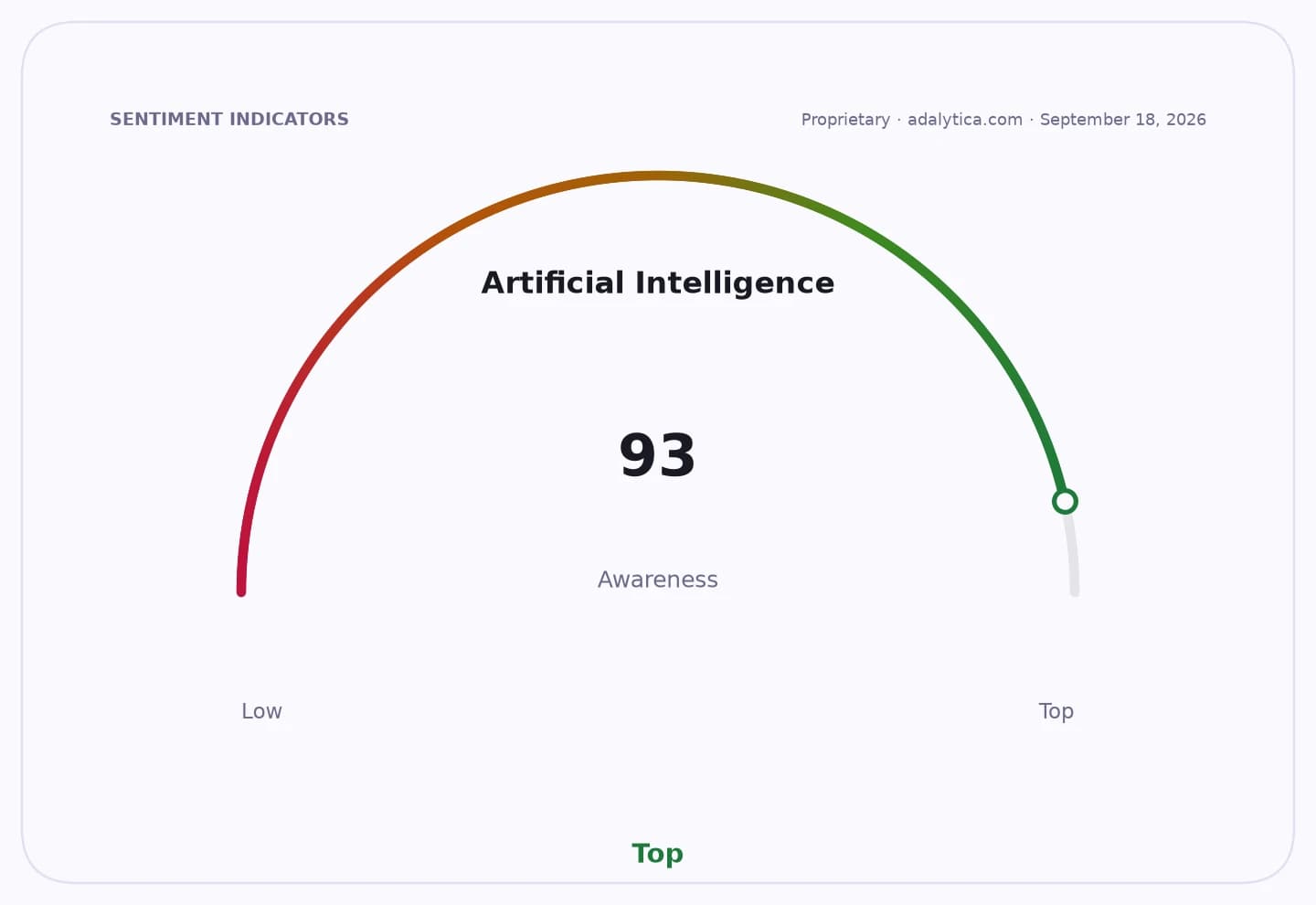
Sentiment IndicatorsⓘProprietary · adalytica.com · September 22, 2026
This is a snapshot — live sentiment, awareness and momentum for 130+ markets update continuously in the dashboard.Open AlphaPulse
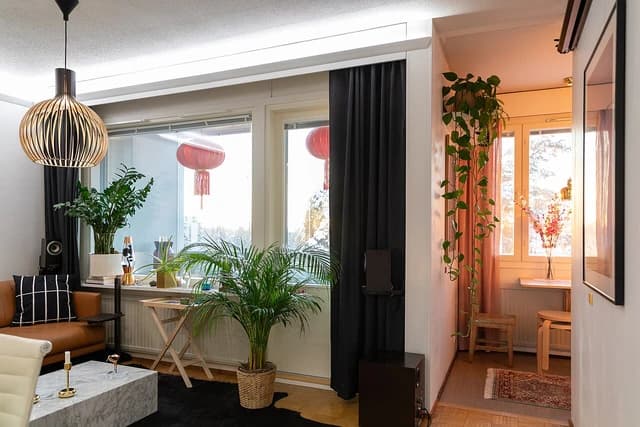
But the story is less about AI replacing designers than about AI changing how design work gets done. Toronto designer Ali Budd says she and her firm use the technology to speed up visual communication, swap finishes and help clients understand ideas more clearly. They still rely on AutoCAD for the actual drafting, because AI often misses the unglamorous details that determine whether a space works: scale, circulation, storage, electrical placement and HVAC allowances. A room can look striking on a screen and still be impossible to live in.
That gap matters economically because design is only one slice of a much bigger home-improvement market. The expensive part of a project is not the rendering; it is the labour, materials, trades, permits and change orders that follow. AI can sharpen demand by making homeowners more ambitious, but it can also inflate expectations by showing luxury finishes and custom millwork that blow past real budgets. In one case, a client believed an AI-generated kitchen would cost $250,000, only to be told the real bill would be substantially higher.
Investors should see that as both opportunity and constraint. The opportunity is clear for software makers and digital design platforms that can sit at the front end of the renovation funnel, where inspiration begins. The constraint is that interior design remains a service business built on trust, judgment and project management, not just image generation. That means the most durable winners are likely to be companies that help professionals work faster rather than try to eliminate them entirely.
There is also a broader industry lesson here. AI is moving into corporate workflows everywhere, from design studios to enterprise software, and the companies that win will be the ones that combine automation with execution. Aoyama Planning Arts’ push toward an “enterprise AI operating system” fits the same pattern: AI is becoming more useful when it is embedded in a process, not when it merely produces a flashy output.
For long-term investors, the takeaway is simple. AI is already changing how spaces are imagined, but it is not yet replacing the human expertise that makes them livable, functional and on budget. That makes the technology a powerful tool — and professional designers still a necessary check on its excesses. Worth watching, but not overestimating.
| Entity | Gains | Losses |
|---|---|---|
| Homeowners | ▲Faster inspiration | ▼Unrealistic budgets |
| Interior designers | ▲Better client communication | ▼Some concept work |
| AI design apps | ▲More adoption | ▼Need for human oversight |
| Traditional design firms | ▲Efficiency boost | ▼Pressure on entry-level tasks |