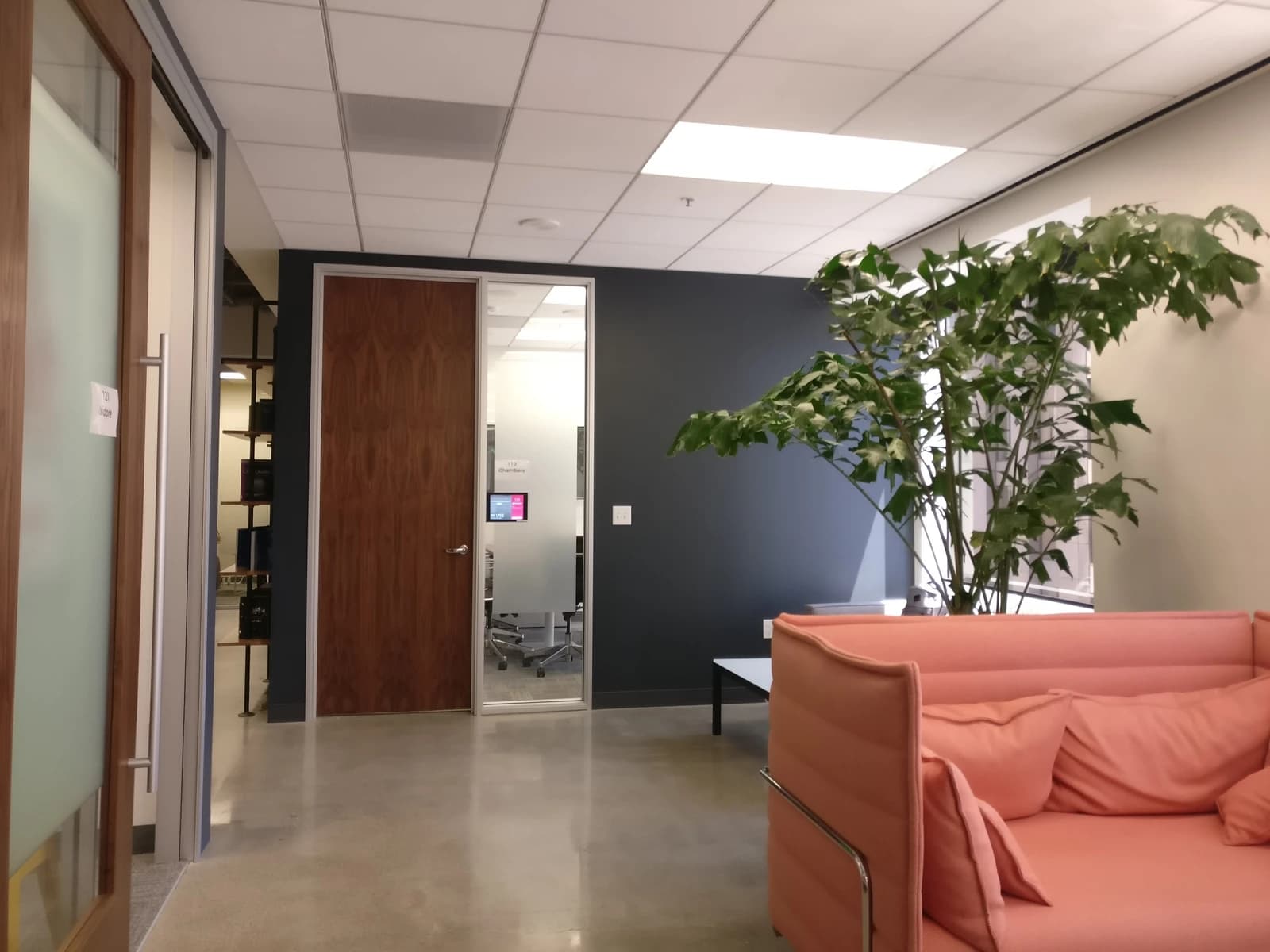
Interior design is emerging as a productivity issue, not just a cosmetic one, as Nigeria’s Interior Designers Association says office planning, lighting, ventilation and acoustics can materially affect output and returns on capital.
Nigeria interior design linked to office productivity
The group’s argument matters because companies across sectors are under pressure to do more with existing space and labor, while governments are being asked to improve public infrastructure without relying solely on new construction. IDAN’s message is that the cheapest-looking fit-out can become the most expensive if it suppresses worker performance, weakens wellbeing or raises long-term operating costs.
At a press briefing ahead of its National Interior Design Summit in Lagos, IDAN President Jacqueline Aki said workplace interiors should be treated as “infrastructure” from the start of a project. She cited research from the World Green Building Council showing better indoor air quality can lift office productivity by 8% to 11%, and a University of Salford study linking classroom design to as much as a 16% difference in pupil progress over a year.
For employers, the economic logic is straightforward: if a building is where labor is transformed into revenue, then design choices that affect concentration, comfort and safety can influence margins. Better spaces can reduce absenteeism, improve retention and support higher quality work, all of which feed into return on investment. For developers and landlords, that can also mean stronger tenant demand and a more marketable asset, especially as occupiers increasingly scrutinize operating efficiency and employee experience.
The pitch also fits a broader shift in capital allocation. Businesses globally are reassessing what counts as productive investment, whether in automation, digital tools or workplace design. In that sense, IDAN is trying to reposition interior designers as part of the value-creation chain rather than the final decorating step after budgets have already been set.
The association is extending the same argument to public buildings through Project NEXUS, focused on the Sickle Cell Centre in Idi-Araba, Lagos, as a practical example of design applied to healthcare infrastructure. That widens the debate beyond corporate offices and into public-service delivery, where poor space planning can raise frictions for staff and users alike.
The summit, scheduled for Oct. 24 at the Wole Soyinka Cultural Centre during Design Week Lagos, is likely to be less about aesthetics than policy: how building standards, procurement rules and project planning can embed interior design earlier in the investment process. For investors and occupiers, the takeaway is that workplace design is increasingly part of the productivity equation — and, by extension, the return on every naira spent on real estate.
| Entity | Gains | Losses |
|---|---|---|
| Employers/occupiers | ▲Higher productivity, better retention | ▼Higher upfront fit-out costs |
| Interior designers | ▲Strategic role in projects | ▼Marginalized “finish work” status |
| Developers/landlords | ▲More attractive assets | ▼Cheaper but poorer-quality spaces |
| Workers and students | ▲Better wellbeing and performance | ▼Stress from poorly designed spaces |