Cities and investors stand to benefit most when developers treat real estate as long-lived urban infrastructure, not a one-off construction project.
DIMAND says sustainable real estate is long-term value
That is the core message from Olga Itsiou, chief operating officer of Greece’s DIMAND, whose view reflects a bigger shift in property development: the winners are increasingly those that can create adaptable, sustainable assets that improve neighborhoods and hold their value through changing economic cycles.
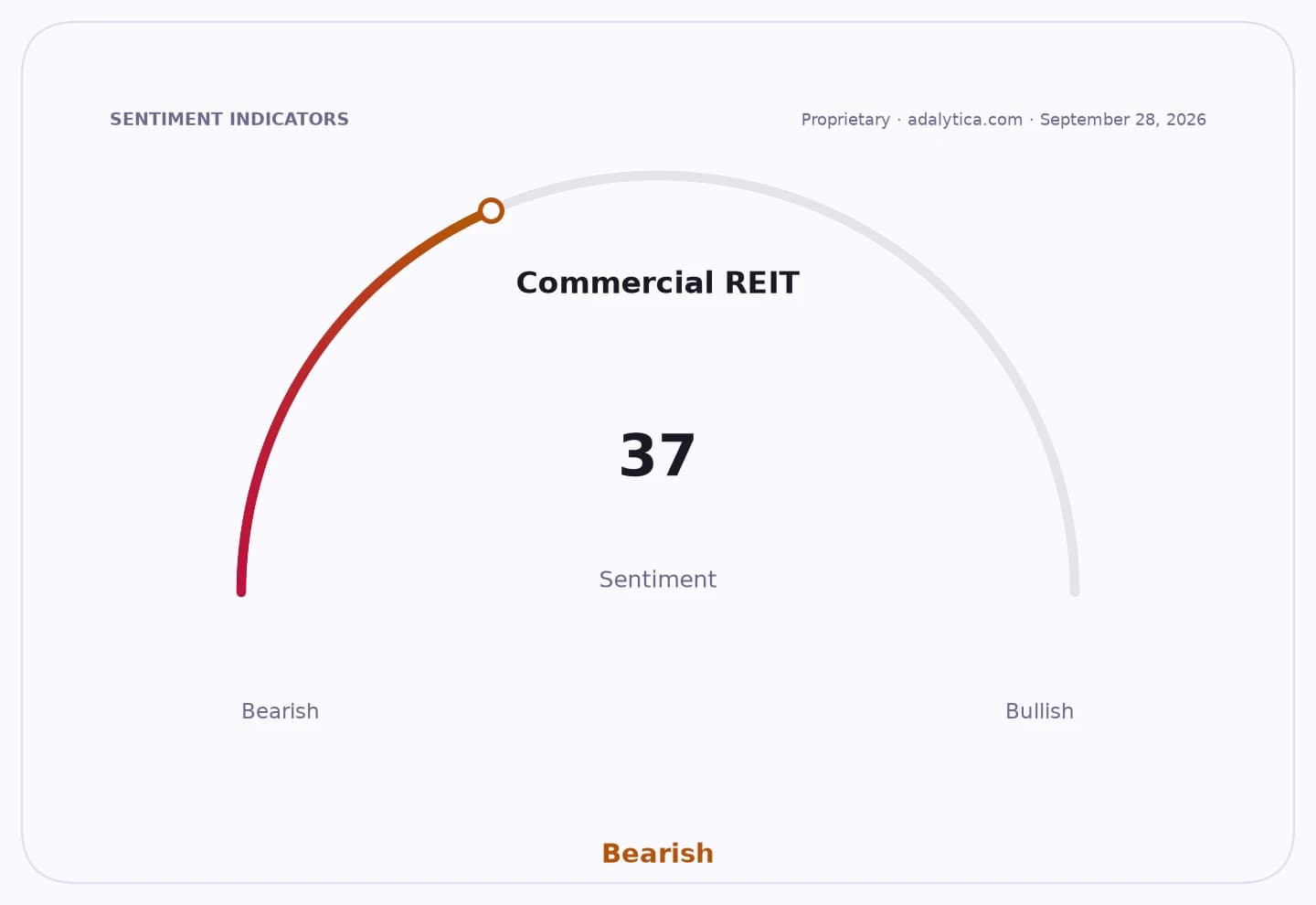
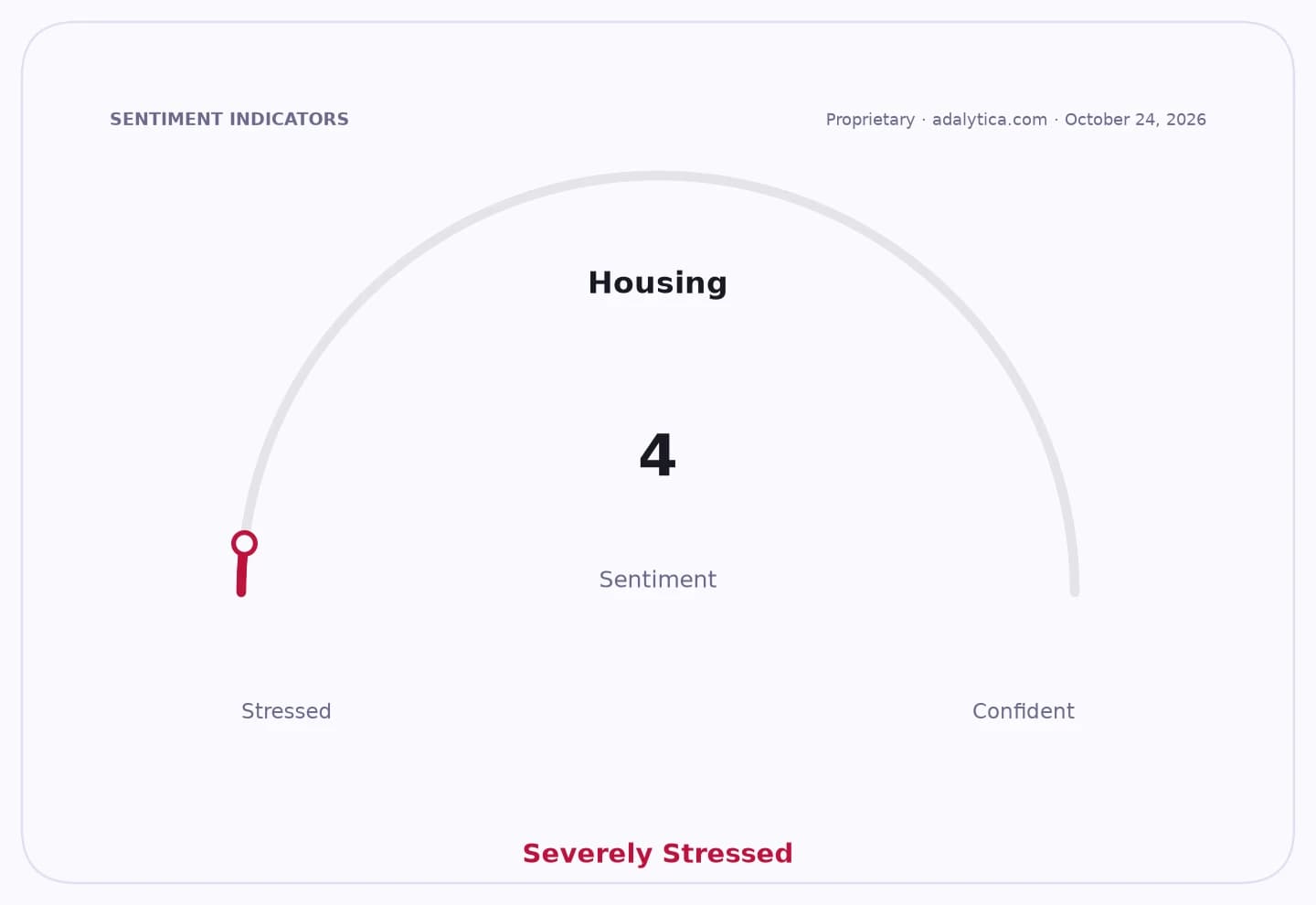
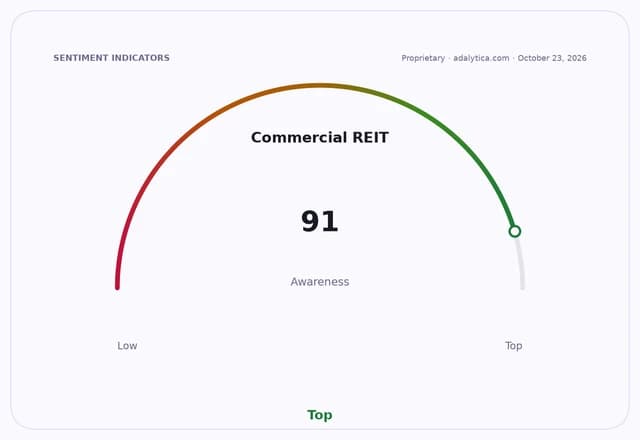
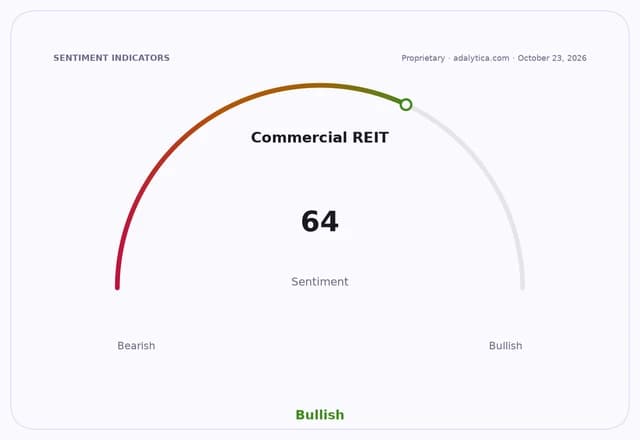
Sentiment IndicatorsⓘProprietary · adalytica.com · October 23, 2026
This is a snapshot — live sentiment, awareness and momentum for 130+ markets update continuously in the dashboard.Open AlphaPulse
For investors, that matters because the real estate market has become less forgiving of trophy buildings that ignore operating costs, climate resilience and user demand. Itsiou said sustainability is no longer an optional extra, but a basic requirement, and that flexibility is now essential as the way people work and use space changes faster than developers can predict. In other words, the strongest properties are not necessarily the flashiest — they are the ones that can be repurposed, maintained efficiently and remain attractive over decades.
DIMAND’s own track record shows how that thesis has translated into business. The company says it delivered the first LEED Gold-certified green office building in Greece in 2013, Karela Office Park, and that it has since developed 35% of the country’s LEED BD+C-certified buildings. It is now preparing to hand over the new Piraeus Courthouse, which it says will be Greece’s first green public building and is targeting LEED Gold certification. That is significant beyond one company: it suggests environmental standards once seen as a niche premium are becoming part of mainstream development economics.
The broader investment case is straightforward. As urban land gets scarcer and capital more selective, the developers that can navigate permitting, design complexity and long-term operating efficiency should command a better-quality pipeline and, potentially, more durable cash flows. Itsiou also stressed that delays are expensive in real estate, where a two-year setback can mean higher financing costs, a reshaped budget and a market that has moved on by the time a project is finished.
That is especially relevant in Greece, where real estate has drawn strong investor interest but still faces the usual frictions of fragmented planning, slow approvals and uneven coordination between private and public stakeholders. Itsiou argued that the country does not lack technical know-how; what it needs is more disciplined project preparation, clearer zoning rules and a more consistent citywide approach to new development. For long-term investors, that is the difference between isolated successes and a sector capable of compounding value at scale.
There is also a wider economic story here. Germany and other European economies are looking for new growth engines, and modern urban development is part of that answer: better buildings, better infrastructure and more efficient use of land all support productivity, mobility and quality of life. Add in artificial intelligence, smarter building systems and data-driven planning, and the next decade of property investment may look less like a bet on square footage and more like a bet on adaptability.
For investors, the takeaway is that the best real estate businesses will increasingly be judged by how well they create places people actually want to live and work in. DIMAND’s message is worth watching because it fits a lasting trend: in property, compounding comes from assets that stay useful, desirable and economical long after the ribbon-cutting ends.
| Entity | Gains | Losses |
|---|---|---|
| DIMAND | ▲Stronger brand and pipeline quality | ▼Cheap, undifferentiated developers |
| Cities and residents | ▲Better neighborhoods and daily life | ▼Isolated, poorly planned projects |
| Long-term investors | ▲More durable asset value | ▼Short-term builders focused on volume |
| Public sector / regulators | ▲Higher development standards | ▼Ad hoc planning and delayed approvals |