Commercial real estate creates employment in two distinct waves: first on the construction site, then in the businesses and services that move into and support the finished building.
VNQ Falls as Commercial Real Estate Jobs Grow
That distinction matters because offices, warehouses and shopping centers do more than add floor space. They pull in architects, engineers, contractors and suppliers during development, then generate longer-lived roles in logistics, administration, retail, security, maintenance and food service once operations begin. In other words, a single investment can support both cyclical job creation and a more durable local payroll base.
Sentiment IndicatorsⓘProprietary · adalytica.com · September 28, 2026
This is a snapshot — live sentiment, awareness and momentum for 130+ markets update continuously in the dashboard.Open AlphaPulse

The first wave starts well before a project opens. Market analysts, surveyors, architects, installation designers and environmental engineers are typically engaged during planning. Once construction begins, demand broadens to heavy equipment operators, steelworkers, masons, electricians, plumbers, HVAC installers and project managers. That also lifts adjacent industries — materials producers, equipment rental firms and transport companies — which must staff up to meet project demand.
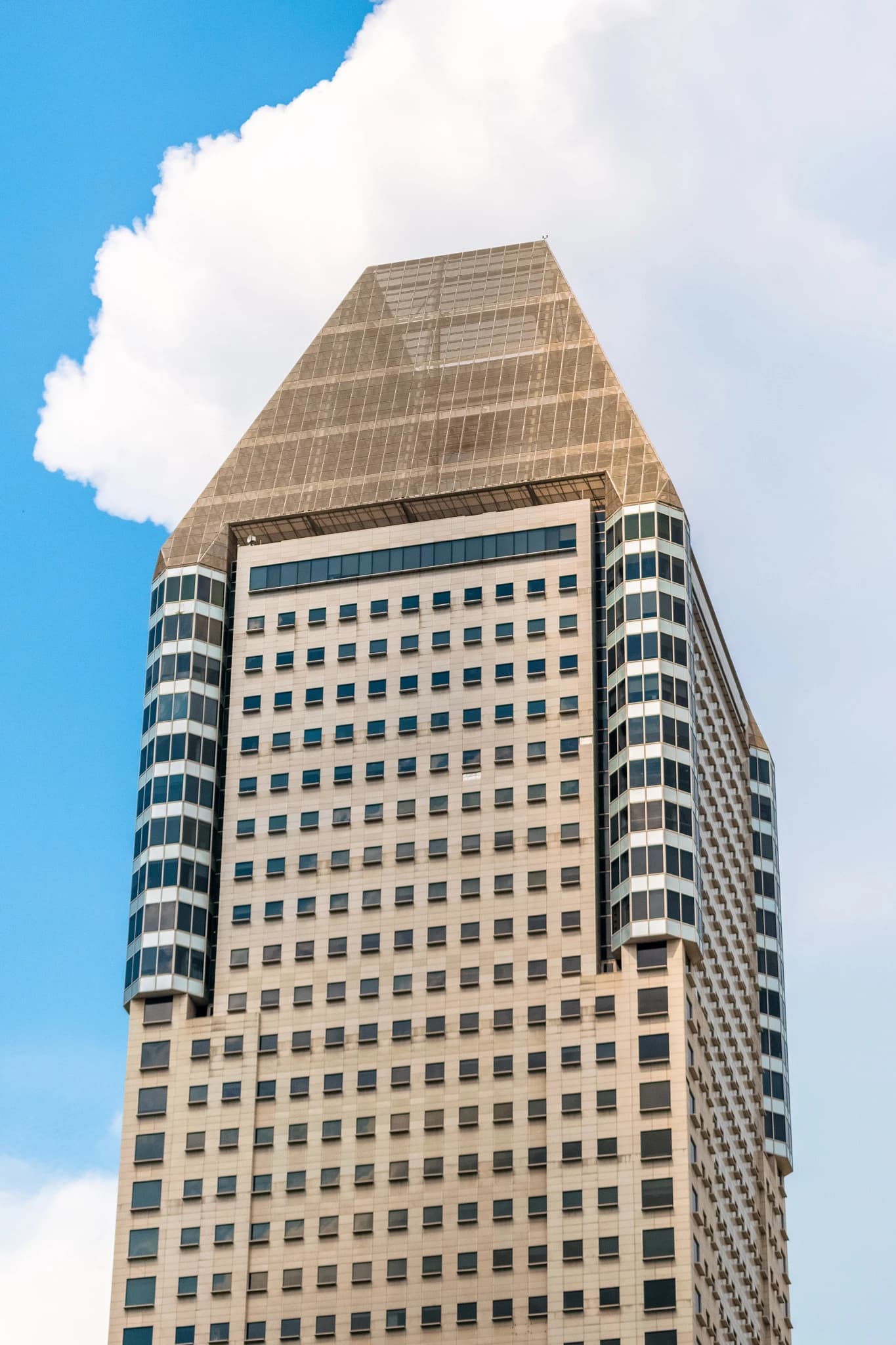
The second wave can be more economically important over time. After technical acceptance and formal handover, the building becomes an operating asset that requires recurring labor. Property managers, security staff, cleaners, technicians and maintenance specialists keep the site running. Tenants then add their own workers: office buildings can house hundreds or even thousands of employees in business services, IT, finance and client support; warehouses need forklift drivers, pickers, logistics planners and automation specialists; retail centers create jobs in stores, restaurants and entertainment venues.
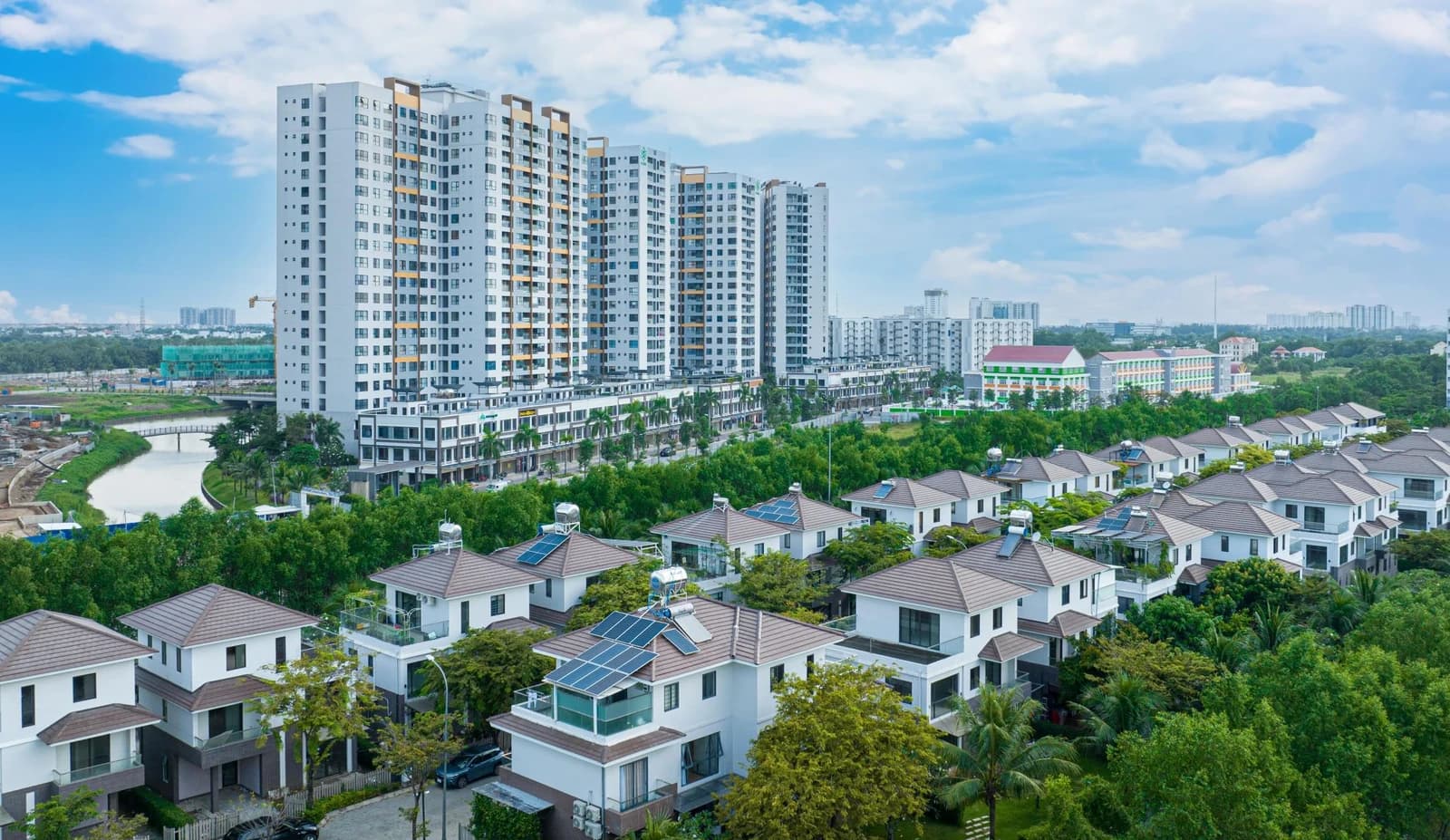
For investors, that employment engine helps explain why commercial property can be a broader economic lever than a simple rent-producing asset. Leasing success translates into occupancy, foot traffic and recurring service demand, while a dense employment cluster can also stimulate nearby cafés, grocery stores, gyms, child-care operators and taxi services. Those spillovers improve the case for development in urban and suburban nodes where labor and consumer spending reinforce one another.
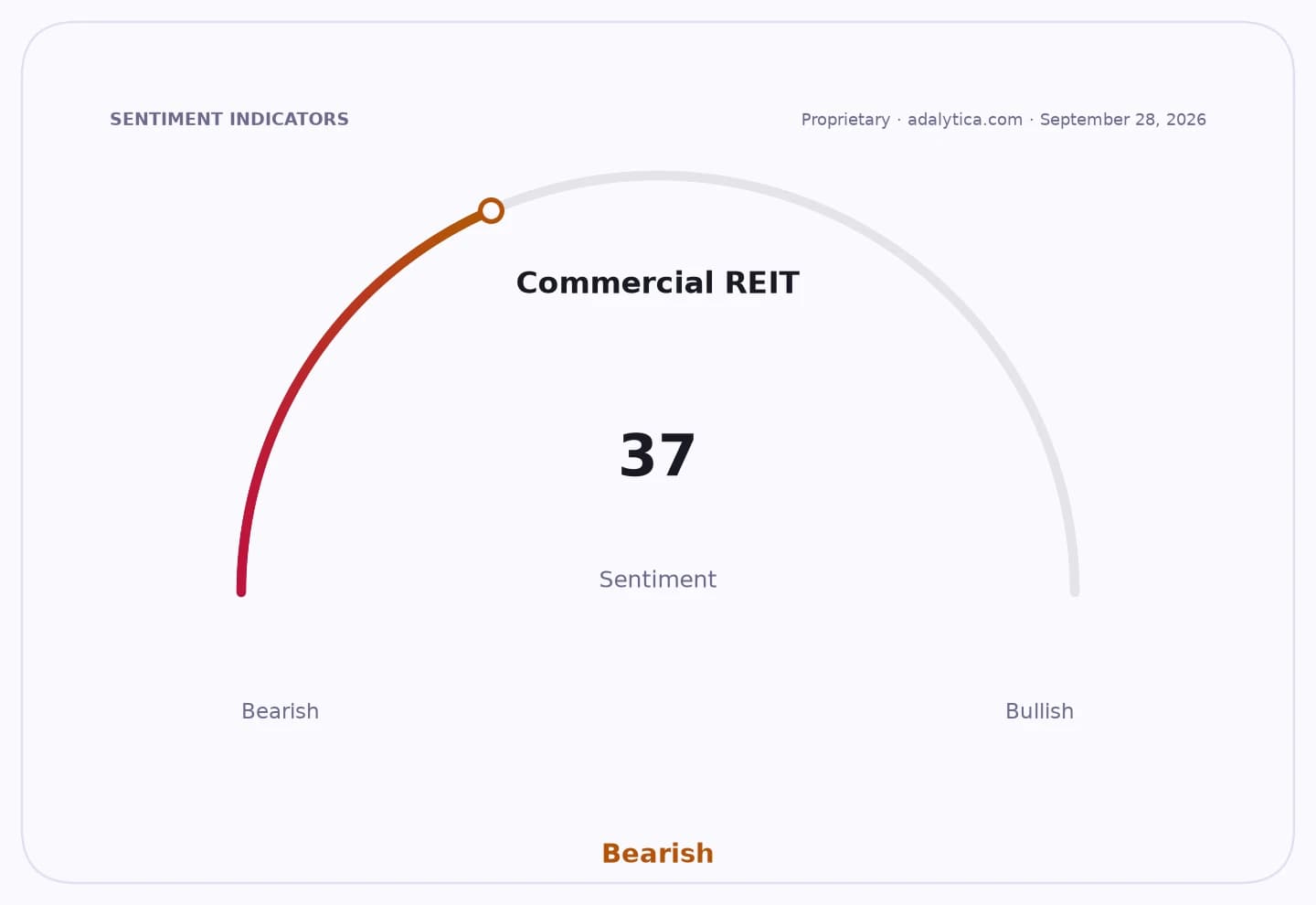
The market backdrop suggests investors are still treating the sector with caution even as activity improves. VNQ, the Vanguard Real Estate ETF, has slipped to about $90.99 from a recent high above $97, while its Adalytica commercial REIT sentiment reading sits at 37, neutral but weak after a sharp month-long drop. By contrast, property advisory firms have said the commercial market recovery continued in the first half of 2026, with leasing and sales activity improving. CBRE and JLL have both pointed to stronger leasing and capital markets activity in their latest filings, a sign that tenant demand and transaction volume are still supporting jobs across the industry.
The bull case is that real estate remains a job multiplier: development creates near-term employment, and completed assets anchor longer-term local hiring. The bear case is that the labor impact is uneven and depends on occupancy, tenant mix and financing conditions, with office demand still more fragile than logistics or retail. For investors, the key is not just how many buildings get built, but whether those buildings are filled with employers that can sustain payrolls through the cycle.
| Entity | Gains | Losses |
|---|---|---|
| Developers & contractors | ▲Construction jobs, project fees | ▼Higher labor and financing costs |
| Tenants & occupiers | ▲New space, operational expansion | ▼Fit-out and relocation costs |
| Local service businesses | ▲Spillover customer demand | ▼Margin pressure if demand disappoints |
| VNQ / listed REIT holders | ▲Recovering leasing cycle | ▼Near-term valuation volatility |