SENA is trying to make property investment look a lot less like a leap of faith and a lot more like a packaged income product, and that matters in a housing market where buyers, landlords and lenders are all more cautious. By bundling tenants, a three-year rent guarantee and projected annual returns of 6% to 7%, the Thai developer is turning residential units into something closer to a managed cash-flow asset.
SENA RentNex offers 3-year rent guarantees

For investors, that is the real story. SENA’s RentNex Invest is designed to reduce the two biggest headaches in buy-to-let housing: vacancy risk and day-one operating friction. Instead of buying an empty condo and hoping demand shows up later, investors are being offered units with lease details, expected cash flow and tenant support already visible before they commit. SENA says a typical example could generate 8,000 baht a month in rent against a 7,000 baht monthly installment, creating positive cash flow from the start.
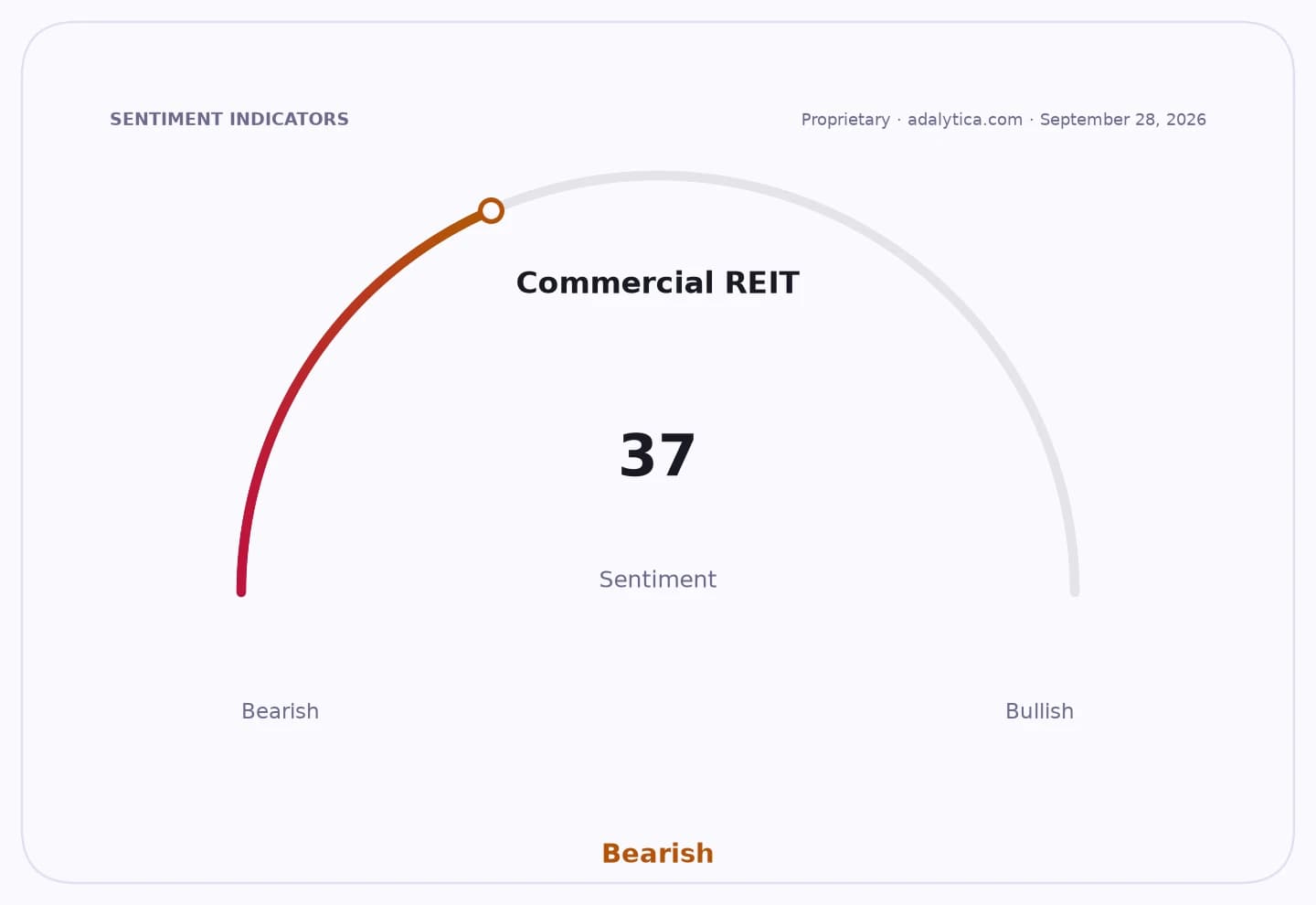
Sentiment IndicatorsⓘProprietary · adalytica.com · September 27, 2026
This is a snapshot — live sentiment, awareness and momentum for 130+ markets update continuously in the dashboard.Open AlphaPulse
That is a compelling pitch in a market where the economics of residential ownership have become harder to read. Thailand’s housing demand remains there, but affordability, credit access and caution around long-term commitments are pushing more people into rental-first decisions. SENA is clearly betting that this shift is not temporary. By wrapping housing, leasing and asset management into one ecosystem, it is positioning itself less as a one-off project developer and more as a recurring revenue platform.
The company is also using real operating data to support the model. SENA says its RentNex rental pool already includes more than 800 units across 25 projects, with occupancy above 80%. That matters because buy-to-let only works when the underlying rental market works. A three-year guarantee is useful, but what gives the product credibility is the fact that SENA is not inventing the business from scratch; it is scaling a rental operation it already runs.
Still, the opportunity goes beyond one product launch. If SENA can get investors comfortable with renting as an investment grade proposition, it could unlock a steadier, less cyclical revenue stream than the usual boom-and-bust condo cycle. The company is targeting 100 RentNex units within a year, up from 14 now, which suggests this is an early test rather than a finished business line. That makes execution crucial. Guaranteed rent can help sell the idea, but long-term returns will depend on occupancy, maintenance, tenant quality and whether the economics still work after the guarantee period ends.
For long-term investors, the broader takeaway is that SENA is adapting to a structural change in housing demand rather than just chasing a new sales gimmick. If the model scales, it could support higher-quality recurring income and deepen customer relationships across the full housing lifecycle, from renting to owning to investing. That is exactly the kind of shift that can matter over years, not quarters, and it is worth watching closely.
| Entity | Gains | Losses |
|---|---|---|
| SENA | ▲Recurring fee and rental income | ▼Reliance on condo sales alone |
| Property investors | ▲Guaranteed income stream | ▼Vacancy and leasing risk |
| RentNex tenants | ▲Better-managed rental supply | ▼Less bargaining power on terms |
| Traditional condo buyers | ▲More housing options | ▼Fewer simple buy-and-wait choices |