Greece is moving to create a single digital record for every property, a shift that could reduce one of the market’s biggest hidden costs: the time and uncertainty created by fragmented ownership, tax, cadastral and planning data.
Greece plans unified digital property records hub

The planned Enιαίος Κόμβος Ακινήτων, or Unified Property Hub, is designed to pull together information that today sits across tax offices, the land registry, municipalities, planning authorities, the energy utility and the environment ministry into one updated file for each asset. If it works, the platform would give buyers, sellers, notaries, engineers and lenders a common source of truth on ownership, permits, leases, electricity connection, energy performance and declared square metres.
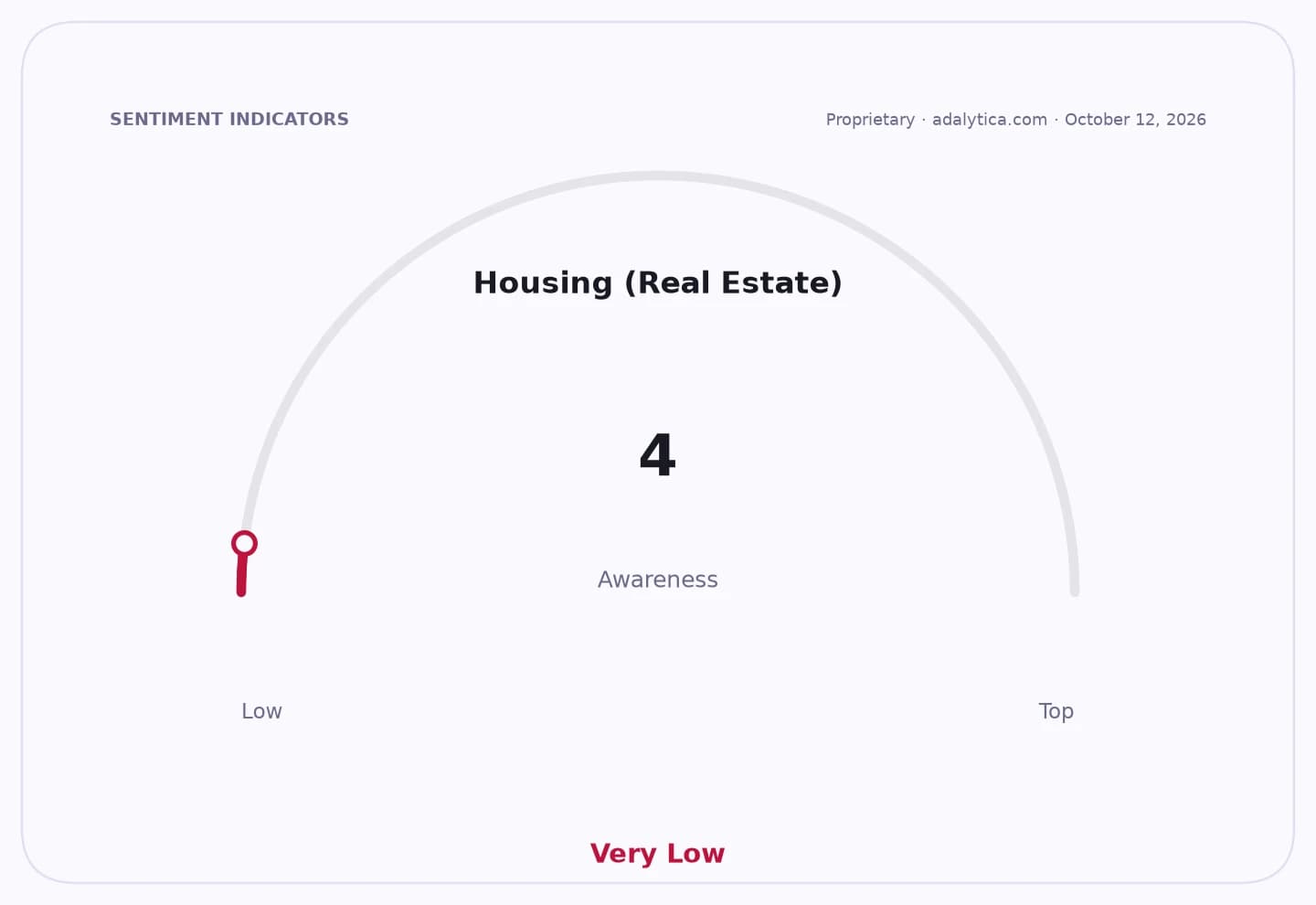
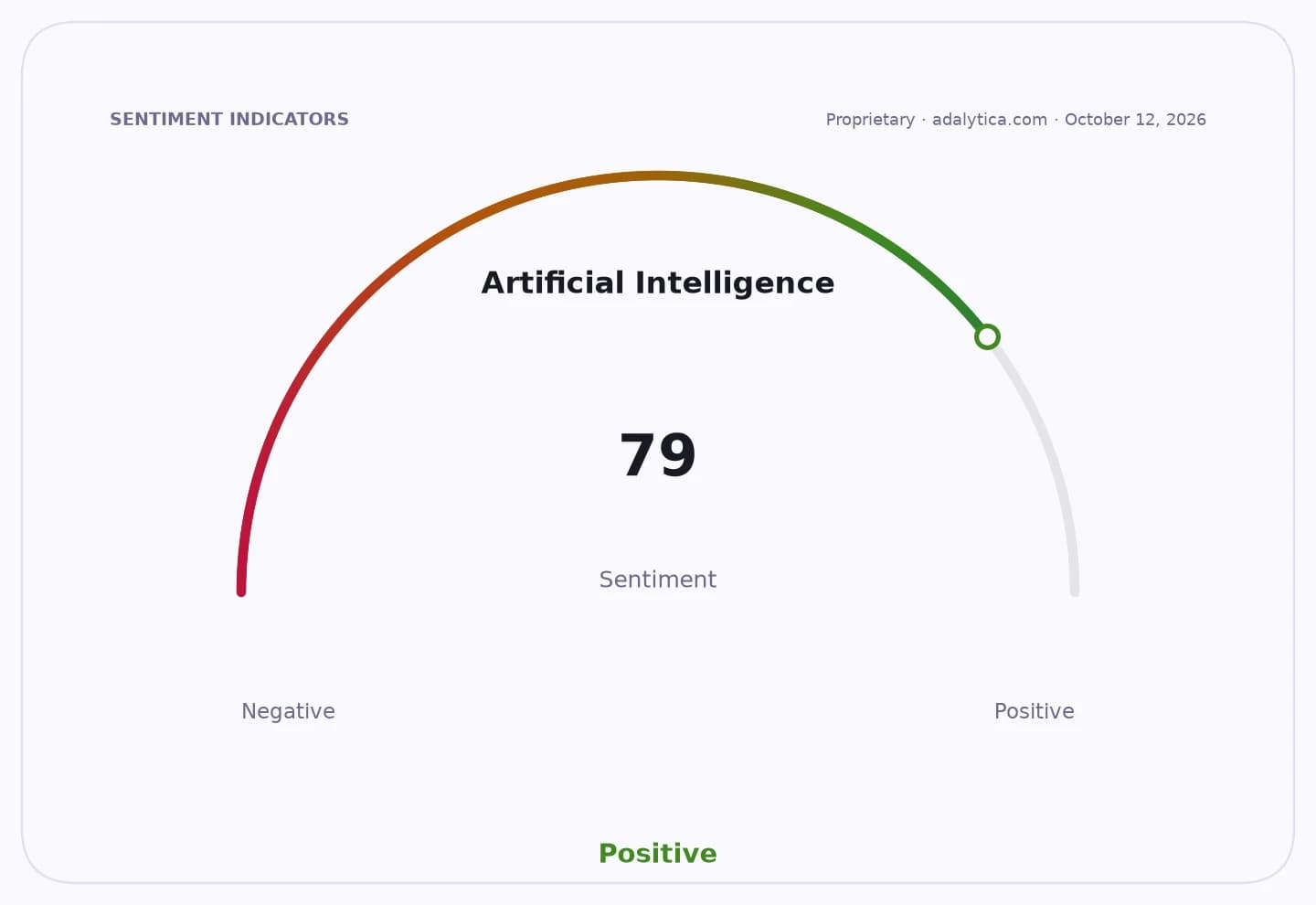
Sentiment IndicatorsⓘProprietary · adalytica.com · October 12, 2026
This is a snapshot — live sentiment, awareness and momentum for 130+ markets update continuously in the dashboard.Open AlphaPulse
That matters economically because real estate transactions are still slowed by mismatched records and paperwork, a drag that raises compliance costs, lengthens closing times and leaves room for errors in taxation and local fees. In a country where property remains a key store of wealth and a major source of public revenue, a cleaner data layer can improve collection, reduce disputes and make it easier to price assets accurately.
The government has budgeted 3.72 million euros for the project and has opened the tender process. The hub is meant to sit above the tax authority’s MIDA system rather than replace it. MIDA is focused mainly on fiscal data, linking the E9 tax register with cadastral identifiers. The new platform is broader, with MIDA one of several feeds.
The economic payoff would be greatest if the system can reconcile long-running inconsistencies between databases. In practice, the same property may carry different square metres or attributes depending on whether the record comes from the tax office, the land registry, urban planning files or power connection data. Eliminating those discrepancies would not just make administration easier; it would also improve the reliability of valuations, a key input for transactions, lending and municipal taxation.
For investors, the upside is twofold. First, greater transparency could support more efficient pricing and lower due diligence risk across the real estate chain, from residential deals to commercial assets. Second, better data infrastructure tends to benefit platform, brokerage and professional-services businesses that rely on faster transactions and cleaner asset verification. The risk is execution: integrating legacy systems with different architectures is technically difficult, and the project was already redesigned after initially being tied to the Recovery Fund.
That makes the initiative less a software upgrade than a test of whether Greece can build a common language for property across the state. If the hub is delivered, it could become a foundational tool for a more institutional real estate market. If it stalls, the market will keep paying the price for a broken data stack.
| Entity | Gains | Losses |
|---|---|---|
| Property buyers and sellers | ▲Faster due diligence | ▼Less room for opaque pricing |
| Greek state and municipalities | ▲Better tax and fee collection | ▼Legacy data inconsistencies |
| Notaries, engineers and brokers | ▲Easier verification workflow | ▼More compliance scrutiny |
| Incumbent fragmented systems | ▲None | ▼Reduced relevance |