Buying a house in India is becoming less about finding the right price and more about avoiding a legal trap, with experts urging buyers to verify ownership, approvals and loan records before handing over token money.
India homebuyers should verify title and approvals
The advice matters because a cheap-looking flat can still carry a mortgage, an unauthorized layout, unpaid dues or a title dispute — any of which can turn an apparently simple purchase into a long court battle. For buyers, the first payment is often the easiest money to lose if the paperwork is weak.
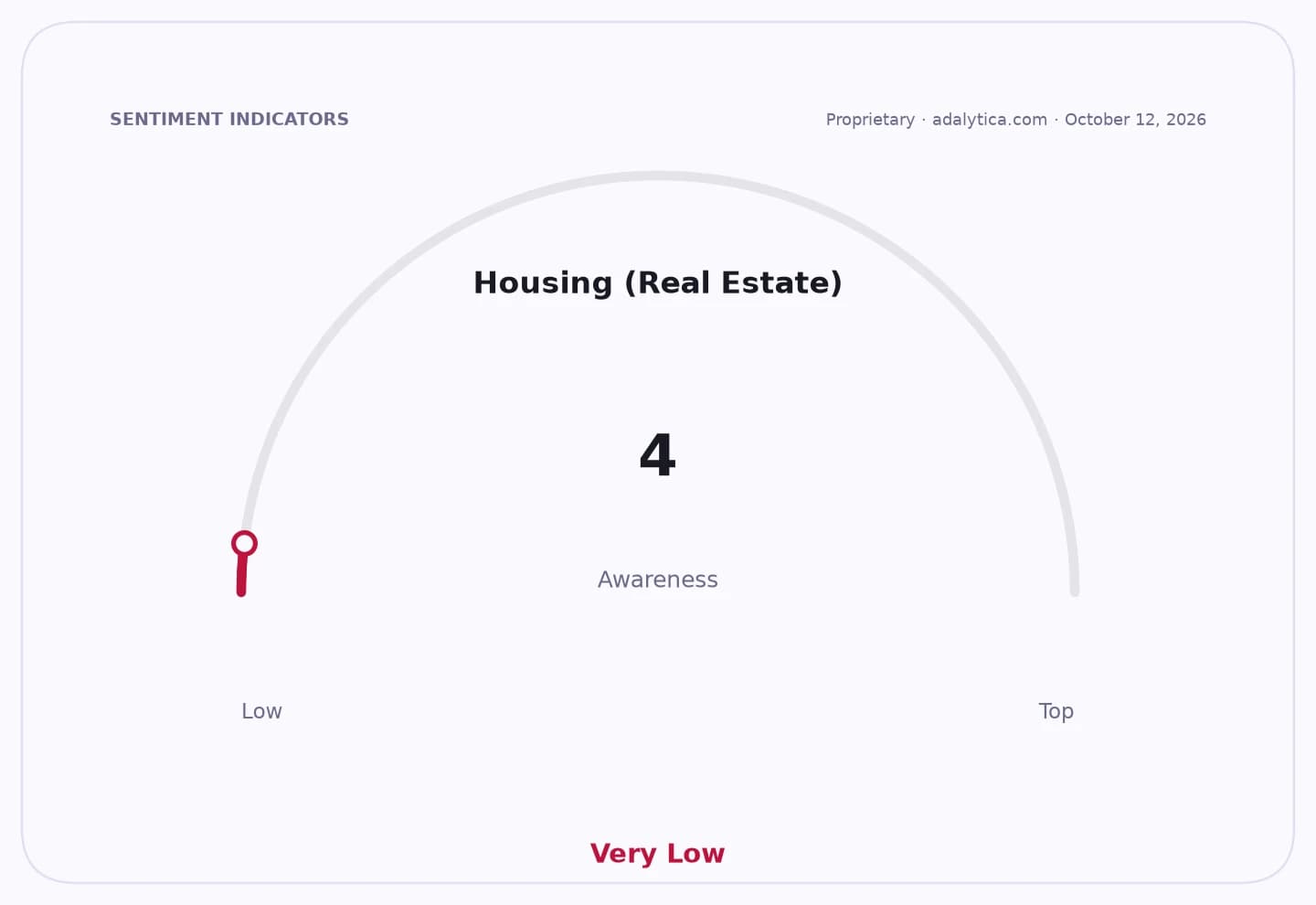
Sentiment IndicatorsⓘProprietary · adalytica.com · October 12, 2026
This is a snapshot — live sentiment, awareness and momentum for 130+ markets update continuously in the dashboard.Open AlphaPulse
The checklist starts with the sale deed or conveyance deed, which establishes who legally owns the property. Buyers are also being urged to ask for older ownership records, encumbrance certificates, bank loan closure papers if the home is mortgaged, and the approved building and layout plans to ensure the structure matches what was sanctioned.
For under-construction projects, the key checks include the RERA registration, allotment letter and builder-buyer agreement, along with the project approvals, possession date and any complaint history on the state RERA portal. Under RERA rules, a promoter generally cannot take more than 10% of the flat’s cost as an advance or application fee before a written and registered sale agreement is signed.
For ready-to-move homes, completion and occupancy certificates are critical because they show whether the project has been completed and whether residents are allowed to occupy the building. Buyers should also review property tax, electricity, water and maintenance receipts to make sure no dues are left hanging on the unit.
The seller’s identity and authority to sell are another major risk point, especially in cases involving multiple owners, inherited property, power of attorney sales or corporate representatives. If the property is bank-financed or allotted by an authority, buyers should confirm whether an NOC or transfer permission is required before the deal can close.
The timing is notable as India’s housing market remains active but paperwork disputes continue to undermine confidence in new launches and resale transactions. For investors in property-linked assets, developers and brokers, stronger documentation discipline means fewer delayed deals, lower litigation risk and better conversion of demand into cash.
With regulatory scrutiny around real estate still tightening, the near-term catalyst is enforcement — and the biggest risk for buyers remains paying token money before every approval, title document and outstanding bill is verified.
| Entity | Gains | Losses |
|---|---|---|
| Homebuyers | ▲Lower fraud risk | ▼Slower deal closure |
| Compliant builders | ▲Higher buyer trust | ▼Fewer shortcut advances |
| Brokers / middlemen | ▲Fewer disputes if diligent | ▼Lost commission from weak deals |
| Noncompliant sellers | ▲— | ▼More cancelled transactions |