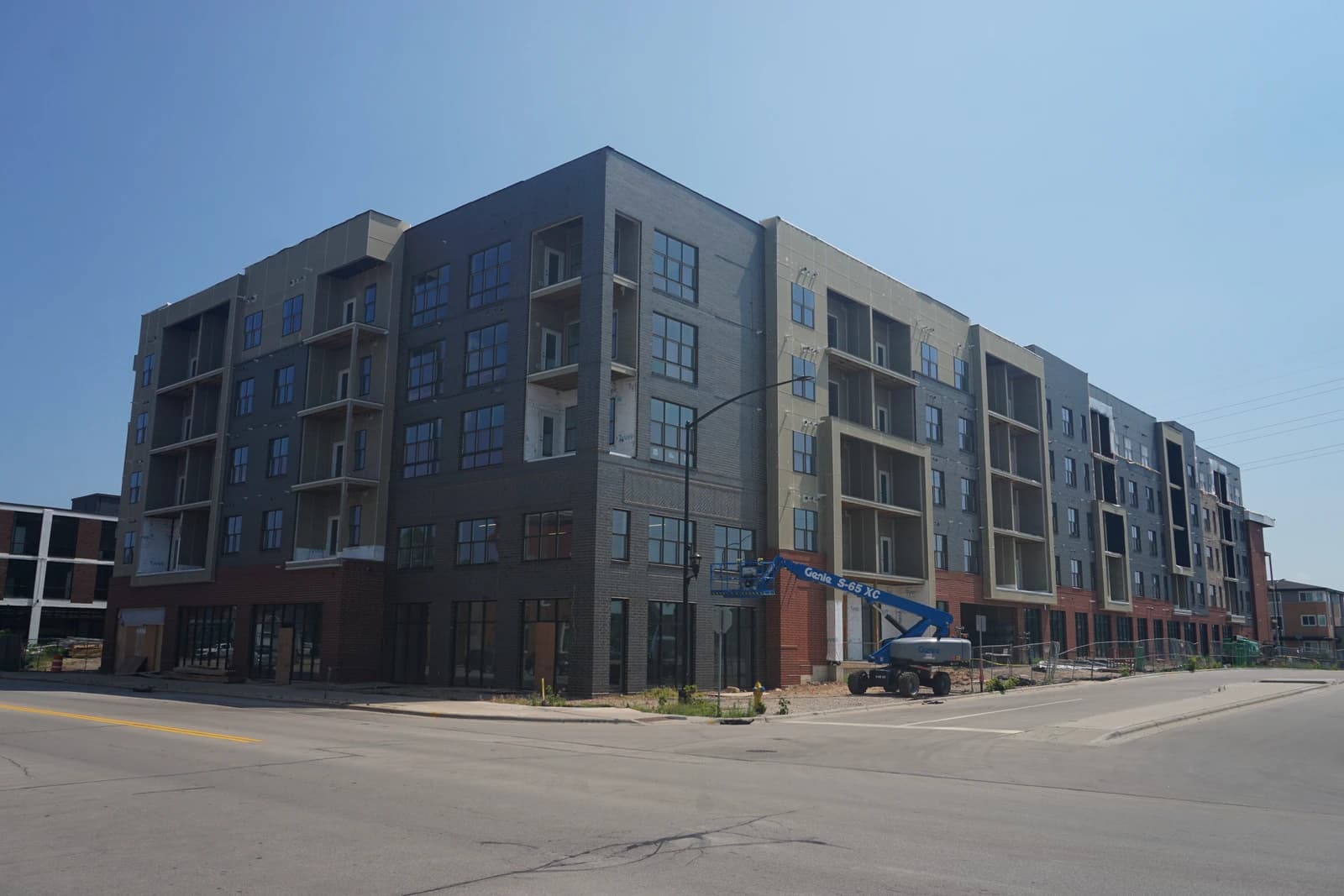
Cheap credit is now the main force behind Ecuador’s property rebound, and that matters because it determines whether housing demand turns into real construction, jobs and investment rather than just latent appetite.
Ecuador property rebound driven by cheaper credit
Tommy Schwarzkopf, the longtime head of Uribe Schwarzkopf, said the market is being unlocked by lower borrowing costs and easier financing, arguing that “if there is no credit, there is no demand.” In a country where housing demand has often been held back by financing constraints, that is the difference between stalled projects and a new development cycle.
Sentiment IndicatorsⓘProprietary · adalytica.com · October 23, 2026
This is a snapshot — live sentiment, awareness and momentum for 130+ markets update continuously in the dashboard.Open AlphaPulse
The timing matters. Ecuador’s government has made construction a policy priority, while banks across the region are under pressure to reduce lending rates. Schwarzkopf said the administration’s credit solutions are already helping revive activity in Quito, Guayaquil and Cuenca, where he sees a wave of new projects and investor interest. For developers, lower rates do more than boost buyer affordability: they improve project viability, shorten sales cycles and make it easier to launch vertical housing near transit and urban centers.
That is exactly where the company is positioning itself. Schwarzkopf’s thesis is that Ecuador’s cities have expanded too far into the suburbs and valleys, leaving central districts underused and transportation strains unresolved. He argues the logical response is vertical growth around metro stations and other centralities, the kind of density that supports “15-minute city” living and reduces reliance on cars. That model becomes much more investable when mortgages and developer financing are cheaper.
The broader macro backdrop strengthens that view. U.S. rates remain elevated compared with the post-pandemic era, but local credit conditions in Ecuador appear to be easing enough to revive demand at home. If that trend continues, the beneficiaries are clear: developers with land in prime urban areas, construction firms, materials suppliers and banks able to expand lending without sacrificing too much volume. The losers are peripheral landholders and low-density projects that depend on a less affordable, car-dependent model.
For investors, the lesson is simple: this is not just a real-estate story, it is a credit story. When rates fall and financing opens, the first winners are the companies that can convert demand into units, cash flow and recurring urban value. Schwarzkopf’s message suggests Ecuador may be entering that phase now. The opportunity is to position early in developers, lenders and infrastructure-linked names that stand to benefit from a more liquid housing market and a return of private capital.
| Entity | Gains | Losses |
|---|---|---|
| Uribe Schwarzkopf | ▲Faster sales, more launches | ▼High-rate financing drag |
| Banks | ▲More lending volume | ▼Margin pressure from lower rates |
| Homebuyers | ▲Better affordability | ▼Waiting for cheaper credit |
| Peripheral developers | ▲— | ▼Less demand for sprawl-based projects |