Astana’s manufacturing exporters are finding buyers well beyond Kazakhstan’s borders, with shipments from the capital’s factories rising nearly 28% in the first half and reaching China, Iran, Turkey and the CIS. For investors, that is a sign that Kazakhstan is slowly building a broader industrial export base instead of relying only on raw materials.
Astana manufacturers expand exports to China and Iran
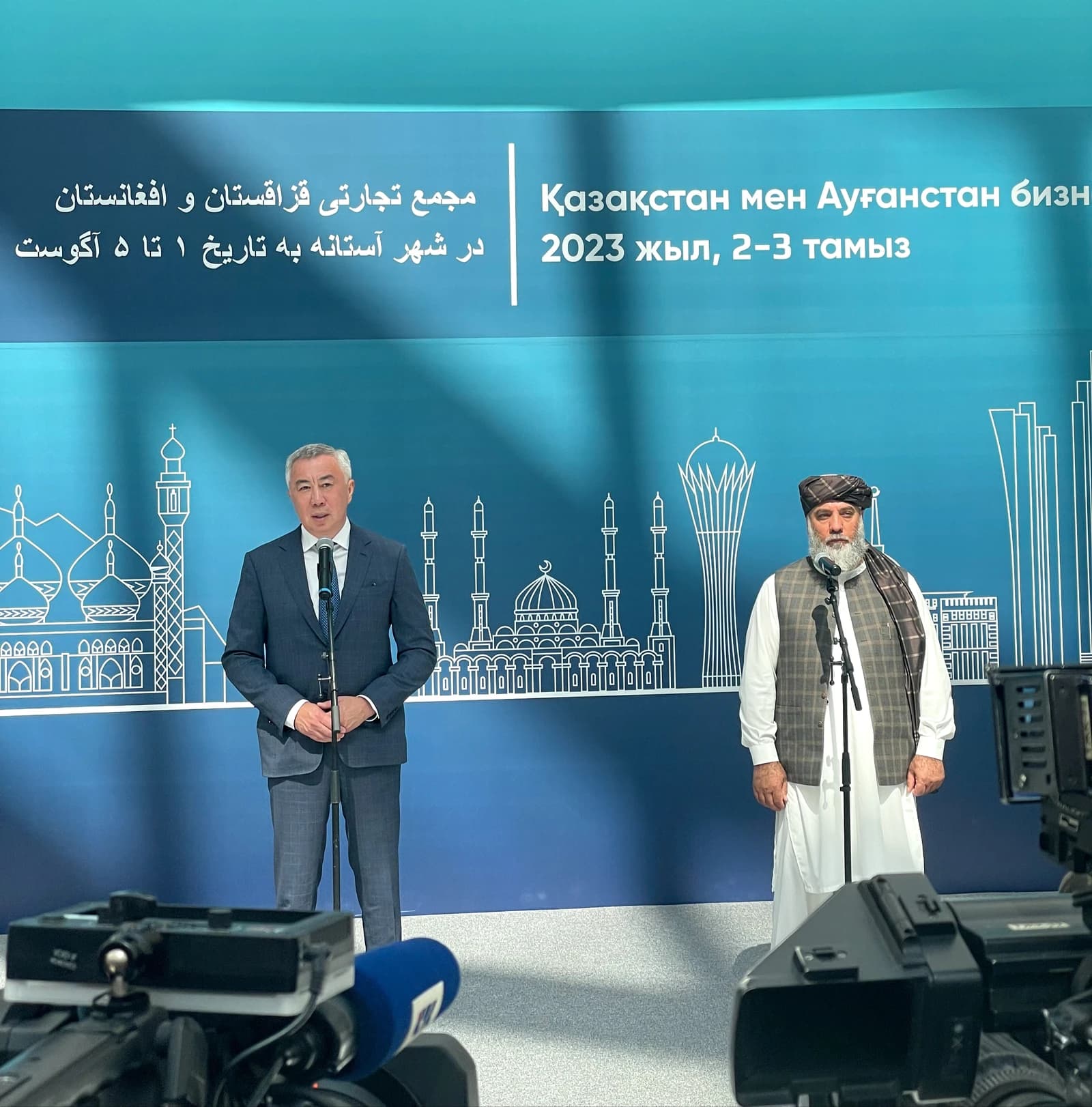
The numbers matter because they point to a more resilient local economy. Export revenue from Astana’s processing industry totaled $2.05 billion in the first six months, according to city officials, a pace that suggests industrial production is becoming a more important growth engine. In a region where commodity swings can quickly distort trade flows, any gain in manufactured exports is worth watching.
The product mix also tells its own story. Locomotives, electric trains, equipment, food and construction materials are not the sort of goods that move in and out of markets on a whim. They usually reflect long-cycle investment, state-backed industrial capacity and relationships with neighboring economies that need rail, infrastructure and basic consumer supply. That gives the export picture a stickier quality than a one-off commodity surge.
China and Iran are especially important in that mix. China remains the dominant regional manufacturing and logistics hub, while Iran offers Kazakh exporters access to a market that has been difficult but strategically valuable. Turkey and the CIS widen the customer base further, helping reduce dependence on any single buyer. For long-term investors, that kind of diversification is what turns an emerging industrial center into a more durable export platform.
The broader takeaway is that Astana is starting to look less like a purely administrative capital and more like a production and logistics node. Officials say expanding export potential is now a priority, and they are already lining up 28 new projects for the city before year-end. If those projects translate into higher-value output and steadier foreign sales, they could support jobs, investment and local tax revenue over time.
For investors, the opportunity is not in chasing this one headline, but in recognizing the trend underneath it: Kazakhstan is trying to move up the value chain. That process is slow, uneven and vulnerable to geopolitics, but it can create real compounding benefits if industrial exporters keep winning market share abroad. Worth watching for the long term.
| Entity | Gains | Losses |
|---|---|---|
| Astana manufacturers | ▲Higher export sales | ▼Domestic capacity constraints |
| China, Iran, Turkey, CIS buyers | ▲More supply options | ▼Reliance on imported goods |
| Kazakhstan economy | ▲Broader industrial base | ▼Raw-material dependence |
| Competitors in regional exports | ▲None | ▼Share to Kazakh suppliers |