AstraZeneca’s reported $10 billion approach for Rhythm Pharmaceuticals is a sign the obesity market is moving from speculative growth story to strategic battleground, and investors are starting to price in that a second-tier specialist with a real drug can still command a major premium.
AstraZeneca Bid for Rhythm Pharmaceuticals Reported
The Wall Street Journal said the British drugmaker offered $124 a share last month for Rhythm, which would mark one of the clearest examples yet of a large pharmaceutical company paying up for growth in obesity and rare disease. Rhythm jumped 28% to just over $110 after the report, leaving the stock about 13% below the reported bid and showing the market believes a deal is possible, but not yet certain.
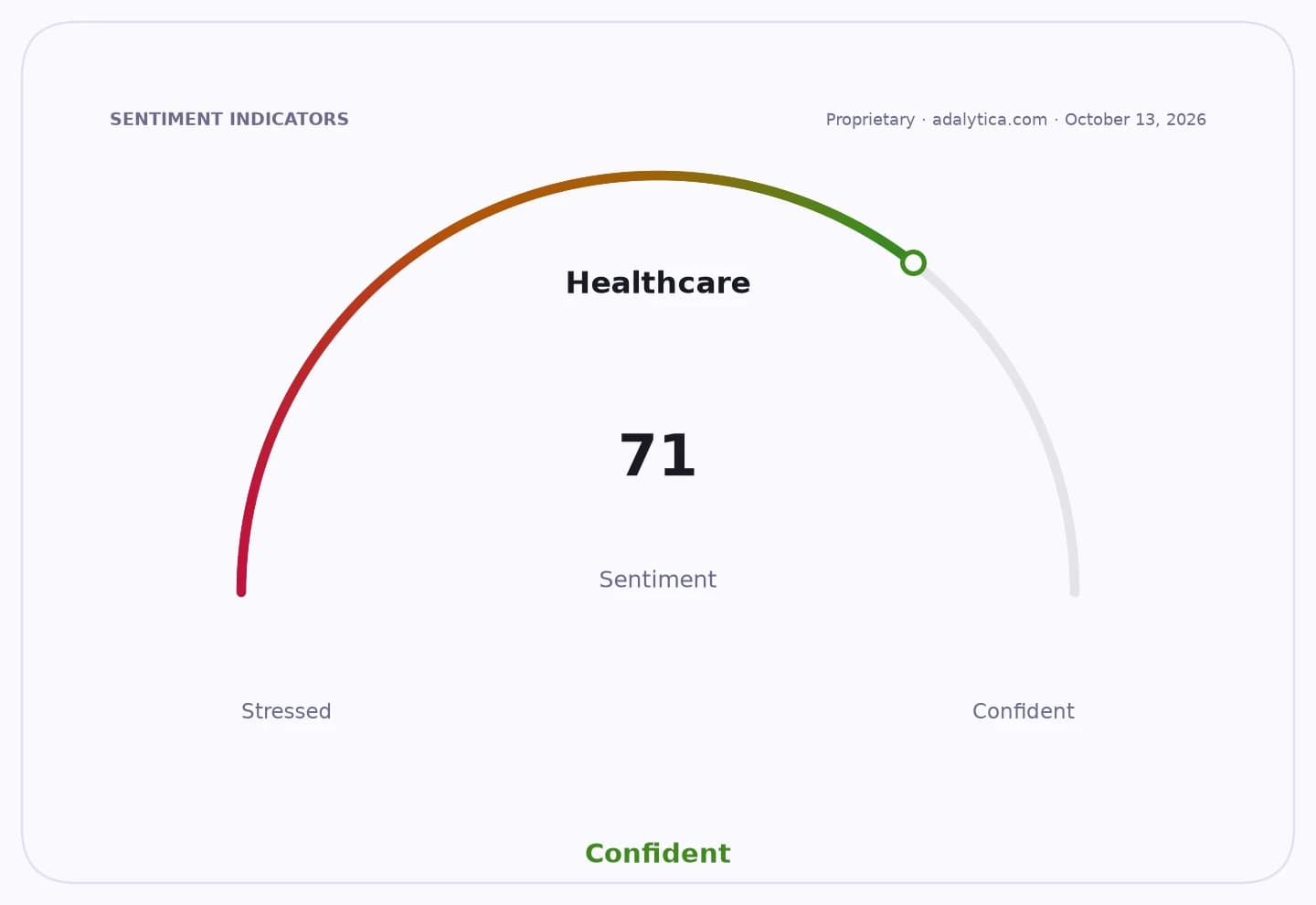
Sentiment Indicators
That matters because obesity is no longer just a contest among the biggest GLP-1 players such as Novo Nordisk and Eli Lilly. It is becoming a broader industry-wide land grab, with companies chasing assets that can either broaden their pipeline or create a more defensible niche. Rhythm does not sell a mass-market obesity drug. Instead, it focuses on rare forms of obesity linked to the MC4R pathway and already has an approved treatment for acquired hypothalamic obesity, giving it a narrower but commercially meaningful foothold in a fast-growing therapeutic area.
For AstraZeneca, the logic is straightforward. The company has set an ambitious $80 billion sales target for 2030, up from about $59 billion last year, and that kind of goal usually requires more than internal research. Buying Rhythm would deepen a pipeline that already includes several obesity programs, while also reinforcing AstraZeneca’s rare disease franchise built around the $39 billion Alexion acquisition. In other words, this is less about one drug than about building a durable growth engine that can outlast any single patent cycle.
Healthcare vs RYTMadalytica.com
Explore this data interactively — full history, time series and cross-market comparisons.
Investors should also notice the size of the check. At roughly $10 billion, the deal would be manageable for AstraZeneca, whose market value is close to $300 billion, but big enough to signal that management is willing to spend for assets that can support long-term earnings growth. That tends to be good news for the shares of takeover targets across biotech, especially mid-sized obesity and rare-disease names that now look like logical next candidates for larger pharmas with aging pipelines and ambitious sales goals.
It also helps explain why the broader obesity trade remains so active. Large drugmakers are not just competing on clinical data anymore; they are competing on time. Buying an already-commercial or near-commercial asset can shorten the path to revenue, strengthen negotiating leverage with payers and give a company more ways to defend against rivals. For long-term investors, that creates a clear takeaway: the obesity wave is still early, and the companies with credible pipelines, real approvals and strategic buyers around them remain worth watching.
| Entity | Gains | Losses |
|---|---|---|
| Rhythm Pharmaceuticals | ▲takeover premium; higher valuation | ▼deal uncertainty |
| AstraZeneca | ▲pipeline expansion; 2030 growth option | ▼cash deployment; integration risk |
| Other obesity biotechs | ▲higher takeover odds | ▼tougher valuation discipline |
| Novo Nordisk / Eli Lilly | ▲validation of obesity market | ▼more competition for assets |