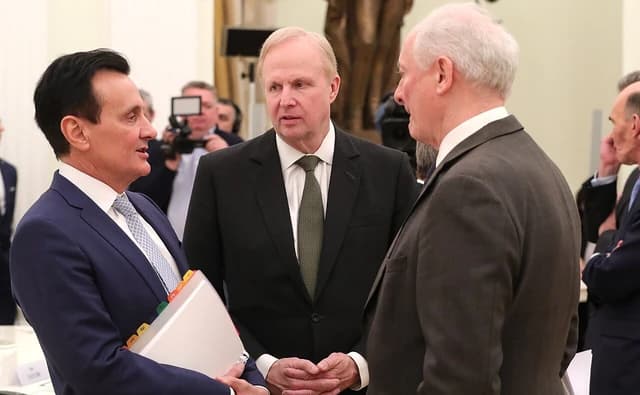
AstraZeneca and Bristol Myers Squibb have said there are no discussions about a merger, knocking back one of the biggest deal rumors to hit the drug sector and refocusing investors on each company’s standalone earnings and pipeline execution.
AstraZeneca and Bristol Myers deny merger talks

For pharma investors, the denial matters because a combination between the two would have created an industry heavyweight with enormous scale in oncology, rare disease and cardiovascular drugs, while also raising questions about antitrust scrutiny, integration risk and capital allocation. With the speculation now explicitly dismissed, the market is left to price AstraZeneca and Bristol Myers on fundamentals rather than takeover optionality.
Sentiment IndicatorsⓘProprietary · adalytica.com · October 5, 2026
This is a snapshot — live sentiment, awareness and momentum for 130+ markets update continuously in the dashboard.Open AlphaPulse
AstraZeneca shares were trading at $156.90 on Oct. 2, down from $190.69 on Jan. 14 and below both the 50-day moving average of $163.34 and the 200-day moving average of $181.70, while Bristol Myers closed at $61.15, also under its 50-day average of $63.86. Both stocks have been volatile this year, and the latest move comes after a sharp pullback in AstraZeneca from a July high near $195 and a recovery in Bristol Myers from the mid-$50s to the low $60s.
The retreat in the rumor trade comes as the broader healthcare sector continues to look for catalysts in a choppy market. Technical readings on AstraZeneca and Bristol Myers show momentum cooling, with AstraZeneca’s RSI at 37.0 and Bristol Myers at 36.9, levels that suggest neither stock is deeply oversold but both remain under pressure.
Even without a merger, the companies remain central names in large-cap pharma because of their scale and cash generation. Investors will now watch for fresh pipeline updates, regulatory milestones and any capital return signals that could replace the M&A premium speculation had briefly injected into the names.
| Entity | Gains | Losses |
|---|---|---|
| AstraZeneca shareholders | ▲Clarity on standalone strategy | ▼Merger premium hopes |
| Bristol Myers shareholders | ▲Fewer integration risks | ▼Takeover speculation |
| Rival pharma bidders | ▲Less competitive pressure | ▼Lost deal opportunity |
| Option traders | ▲Volatility from rumor cycle | ▼Fading event-driven upside |