AstraZeneca Italy is leaning harder into patient advocacy as drugmakers and health systems face growing pressure to decide who gets access, how care is organized and how innovation is funded.
AstraZeneca Italy Expands Patient Advocacy Push

Francesca Patarnello, vice president for market access and government affairs at AstraZeneca Italia, said the company is trying to build “networking” with patient associations so they are not left alone in the face of the health system’s structural challenges and the wider social transformation underway.
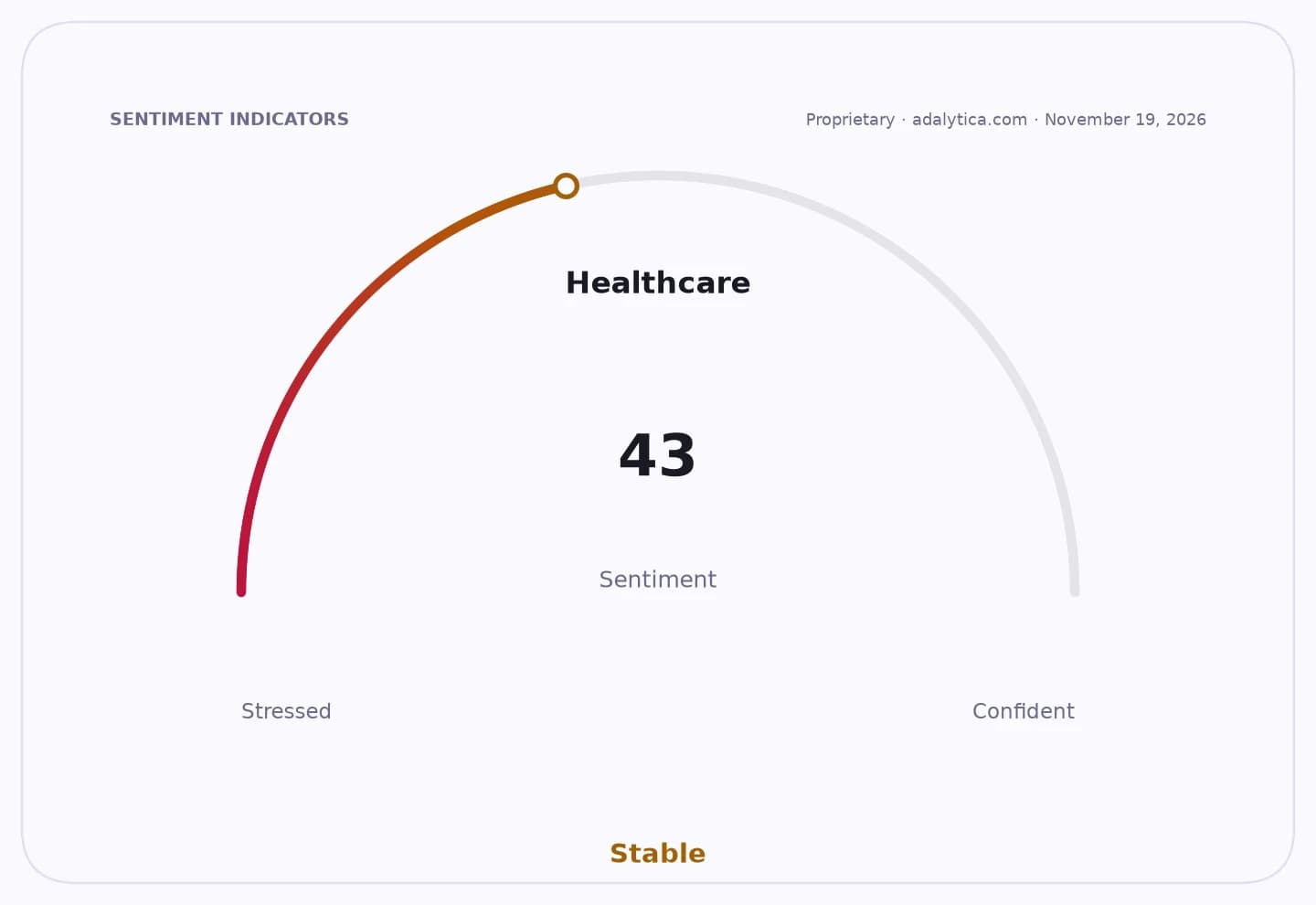
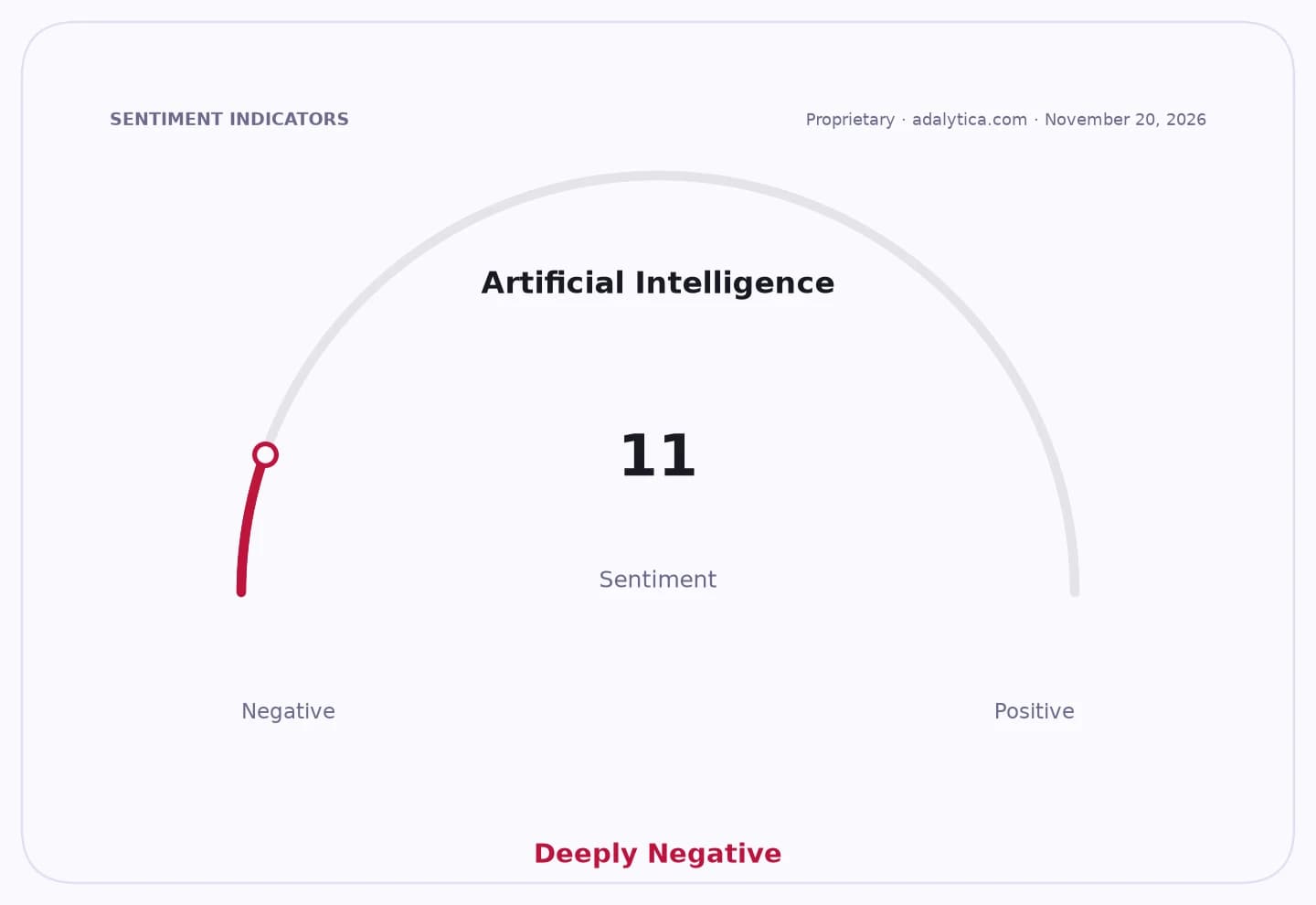
Sentiment Indicators
Her comments came at an event in Milan hosted at Mind, the innovation district where AstraZeneca has established a presence, as part of a project with Fondazione The Bridge aimed at creating a forum for health discussions with third-sector groups. Patarnello said the goal is to move associations from isolated lobbying around individual priorities to a collective space where they can shape decisions that affect them.
For AstraZeneca, the message matters because market access in Europe increasingly depends not only on clinical data but also on relationships with policymakers, hospitals and patient groups that influence reimbursement and adoption. In Italy, where the public health system faces budget pressure and long waits for new treatments, drugmakers have a clear incentive to help organize the debate rather than simply react to it.
The company is also signaling that patient engagement is becoming part of its broader commercial strategy, not just corporate philanthropy. Patarnello said companies risk appearing self-interested when they engage with associations, but argued that sustained listening and collaboration are what give patients a real role in health decisions.
AstraZeneca shares have been volatile in recent months, with the stock closing at $174.35 on Nov. 20, below its 200-day moving average of about $179.91 but still above its 50-day average of $170.71. The move underscores how investors continue to balance the company’s growth prospects against policy and reimbursement risks across major markets.
The next test is whether this kind of patient-led engagement translates into faster access and smoother adoption for new medicines, especially as governments and health systems keep pressing for affordability, evidence and accountability.
| Entity | Gains | Losses |
|---|---|---|
| AstraZeneca | ▲Better access dialogue | ▼Perception risk |
| Patient associations | ▲More influence | ▼Fragmented agendas |
| Italian health system | ▲Broader input | ▼Slower consensus |
| Competing drugmakers | ▲N/A | ▼Less trusted access channel |