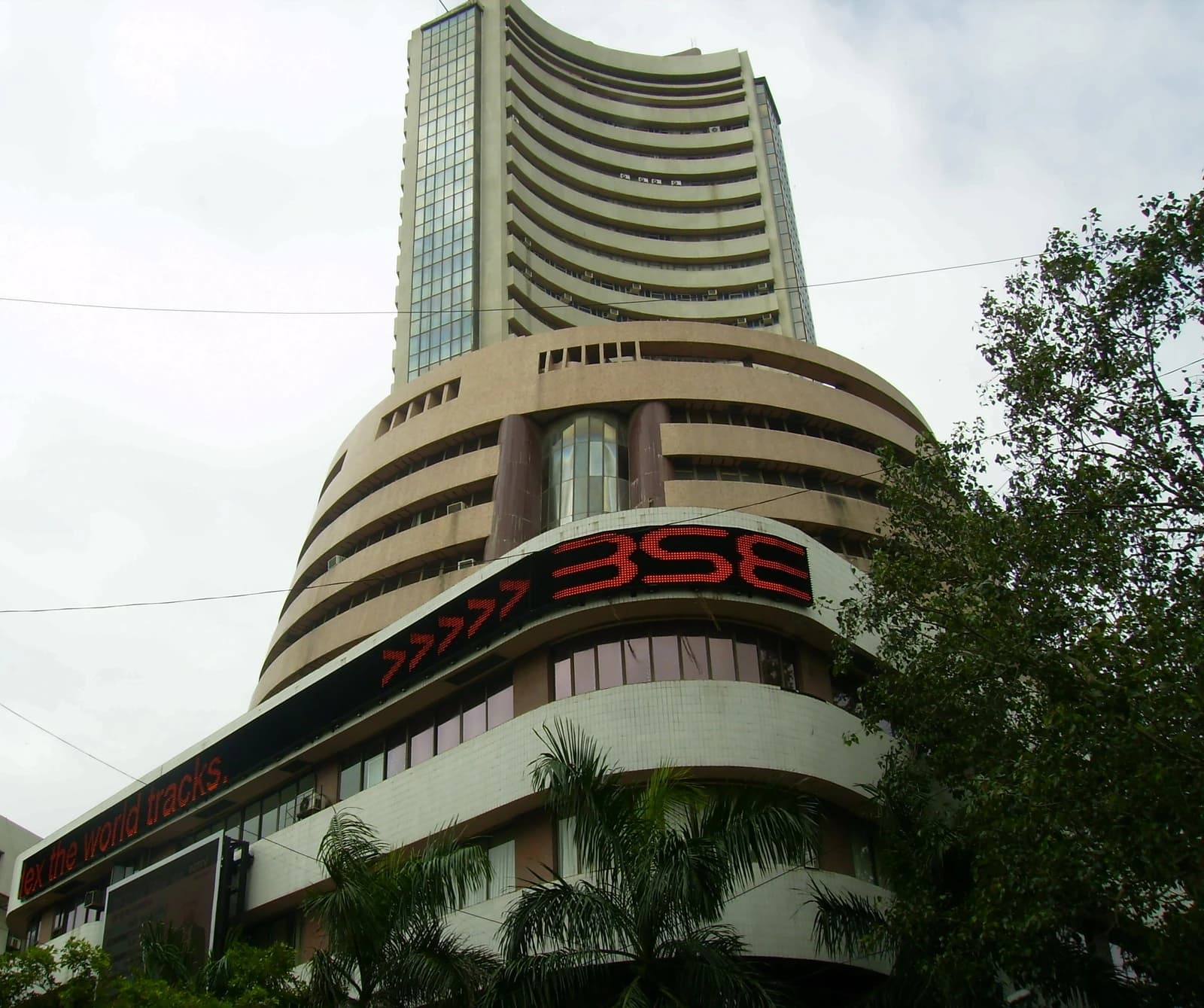
The Australian sharemarket slipped on Wednesday as losses in heavyweight banks and miners outweighed the support from a still-strong Wall Street, underscoring how dependent the ASX remains on a narrow group of large caps.
ASX 200 Falls as Banks and Miners Weigh
The S&P/ASX 200 was down 31.1 points, or 0.4%, at 8,704.6 by late morning in Sydney, with seven of the 11 sectors in the red. The index had risen earlier before reversing, a pattern that highlights how quickly sentiment can turn when the market’s biggest stocks lose traction.
Sentiment IndicatorsⓘProprietary · adalytica.com · October 8, 2026
This is a snapshot — live sentiment, awareness and momentum for 130+ markets update continuously in the dashboard.Open AlphaPulse
The retreat matters because the ASX is more exposed than many global peers to a handful of giants, particularly miners and the major banks. When BHP, CBA and other large caps ease, they can drag the whole benchmark lower even if the broader market is stable. That leaves domestic equities vulnerable to sector rotation, profit-taking and any cooling in commodity or financial shares.
BHP was among the main drags. Its shares recently have been trading above both the 50-day and 200-day moving averages, but momentum has softened from earlier overbought levels, with the relative strength index easing from a recent peak. That makes the stock more vulnerable to a pullback if investors decide the recent run-up has gone far enough. For the market, BHP matters not only as a bellwether for commodity demand and China exposure, but also because its weight means even modest declines can influence the broader index.
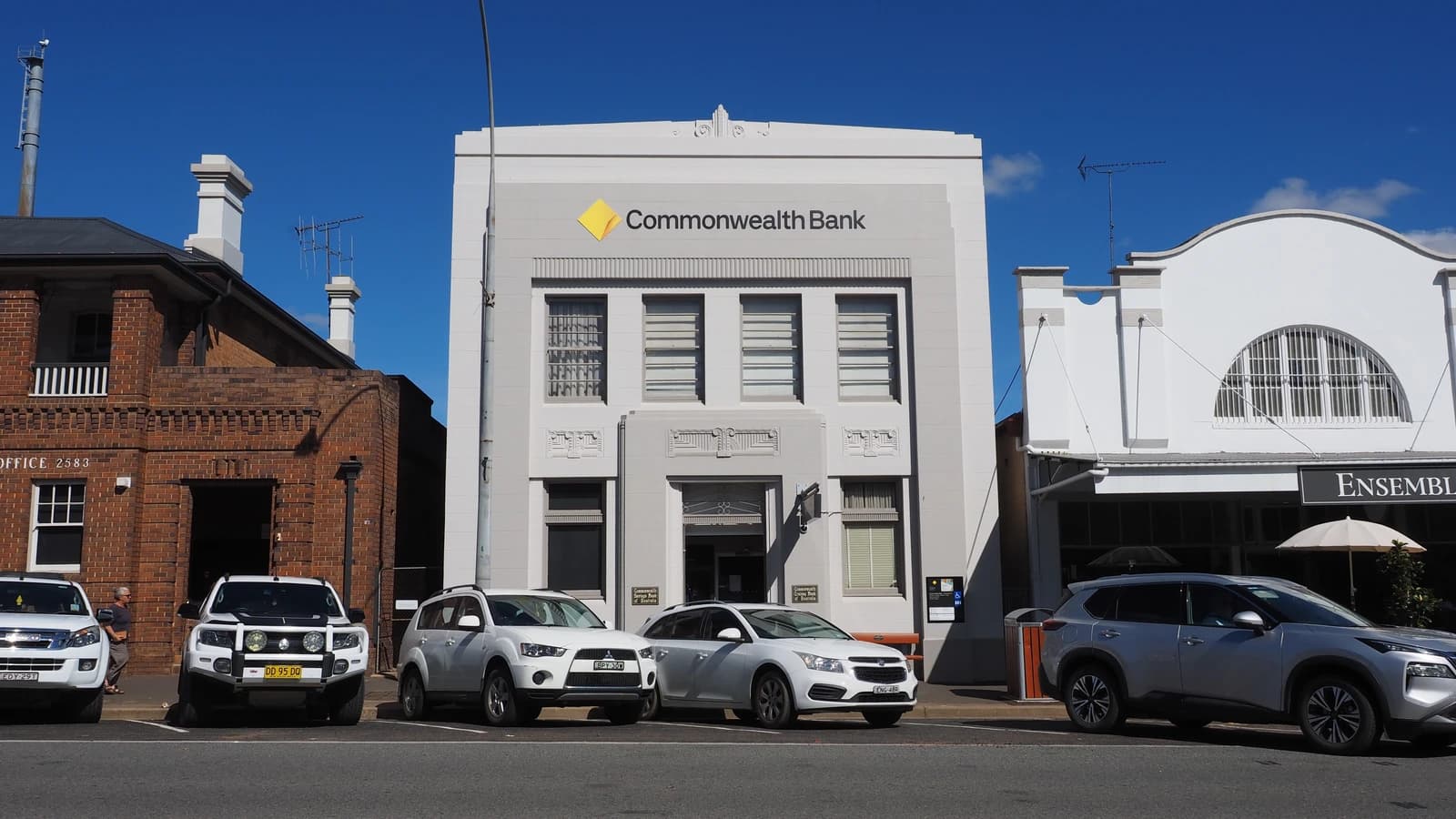
Banks were also under pressure, with Commonwealth Bank a key contributor to the benchmark’s decline. The major lenders have carried much of the ASX’s advance this year, so any reversal in financials has an outsized effect. Investors have been paying up for the sector on the assumption that earnings remain resilient and credit quality holds, but that positioning leaves little room for disappointment.
The move lower came despite a constructive overnight lead from Wall Street, where the S&P 500 and Nasdaq reached fresh highs as bond yields eased and technology shares extended their rally. That divergence is important: it shows Australian equities are still being driven more by local sector composition than by the global risk tone. A tech-led rally in the US does not necessarily translate into gains in Sydney when banks and miners are doing the heavy lifting.
There is also a broader concern that global markets are being led by a small group of mega-cap winners. Capital Economics warned that the US rally is narrow, with many technology names still far below their highs. For Australian investors, that matters because a narrow global advance can leave commodity and financials exposed if momentum in the dominant growth trade starts to fade.
For now, the key question is whether the pullback in the ASX is a routine pause or the start of a broader rotation out of the market’s largest stocks. If miners continue to weaken and the major banks stop outperforming, the index will struggle to extend gains. If those heavyweights stabilize, the ASX can still track the firmer global backdrop.
| Entity | Gains | Losses |
|---|---|---|
| ASX 200 broad market | ▲Defensive rotation if heavyweights stabilize | ▼Index support from large caps fades |
| BHP and miners | ▲Commodity rebound and China demand | ▼Profit-taking and benchmark drag |
| CBA and major banks | ▲Continued earnings resilience | ▼Multiple compression and index pressure |
| US tech rally | ▲Global risk appetite | ▼Limited spillover into Sydney if local leaders weaken |