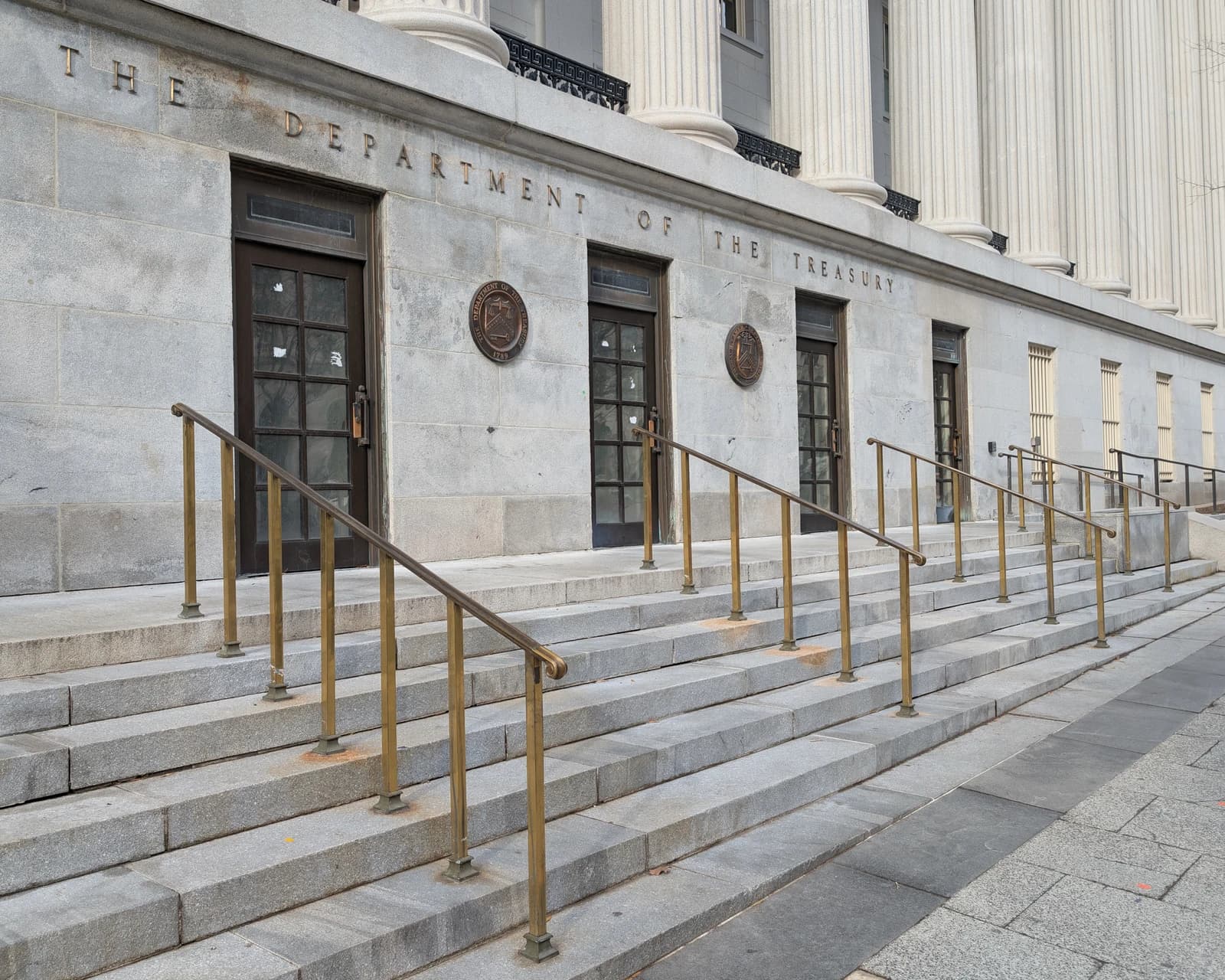
The Audit Bureau has told entities funded by the public treasury to rein in spending, avoid new commitments unless absolutely necessary and stop loading 2026 budgets with expenses belonging to prior years as authorities try to tighten control over public finances.
Audit Bureau orders spending cuts for public entities

The instructions matter because they point to a broader push to protect cash balances and reduce waste at a time when governments are under pressure to show discipline on budgets, debt and inflation. For investors, tighter spending rules can support fiscal credibility, but they also raise the risk of slower public outlays, delayed projects and softer demand for contractors and suppliers that rely on state spending.
Sentiment Indicators
In a directive issued to public-sector entities, the bureau said spending should be limited to actual obligations and completed services. It barred the signing of new contracts or fresh commitments unless they are strictly necessary, and prohibited charging the 2026 budget with expenses tied to other years.
The bureau also ordered entities to remit revenues to the general account, settle advances, deposits and trusts, carry out annual cash and warehouse inventories, and reconcile bank accounts. It said final accounts must be prepared and submitted to the finance ministry within legal deadlines, alongside statements of revenues, expenses, balances, liabilities, inventory reports and financial reconciliations.
The move fits with a wider political and economic backdrop in which lawmakers and officials are debating budget restraint and efficiency measures to stabilize public finances. For markets, the key question is whether the clampdown improves fiscal execution without choking growth, or whether it becomes another drag on already cautious public-sector spending.
| Entity | Gains | Losses |
|---|---|---|
| Treasury / finance ministry | ▲Better cash control | ▼Less budget flexibility |
| Audit Bureau | ▲Stronger oversight role | ▼More pressure to enforce compliance |
| Contractors / suppliers to government | ▲— | ▼Fewer new contracts |
| Public finances | ▲Lower waste and arrears risk | ▼Slower spending execution |