Australia is moving to pull generative AI and more screen-based learning out of classrooms while adding compulsory civics, Holocaust education and lessons on Jewish contribution to society, in a sweeping curriculum reset that could reshape how schools teach, test and assess students.
Australia tightens classroom AI and screen use

The changes, backed by federal and state education ministers, reflect a broader policy turn away from unchecked digital learning and toward foundational skills, after evidence mounted that heavy classroom screen use has not delivered better outcomes. For investors in education technology, the shift is a warning that policy headwinds are building against devices and software in schools, even as governments search for tools that improve student performance.
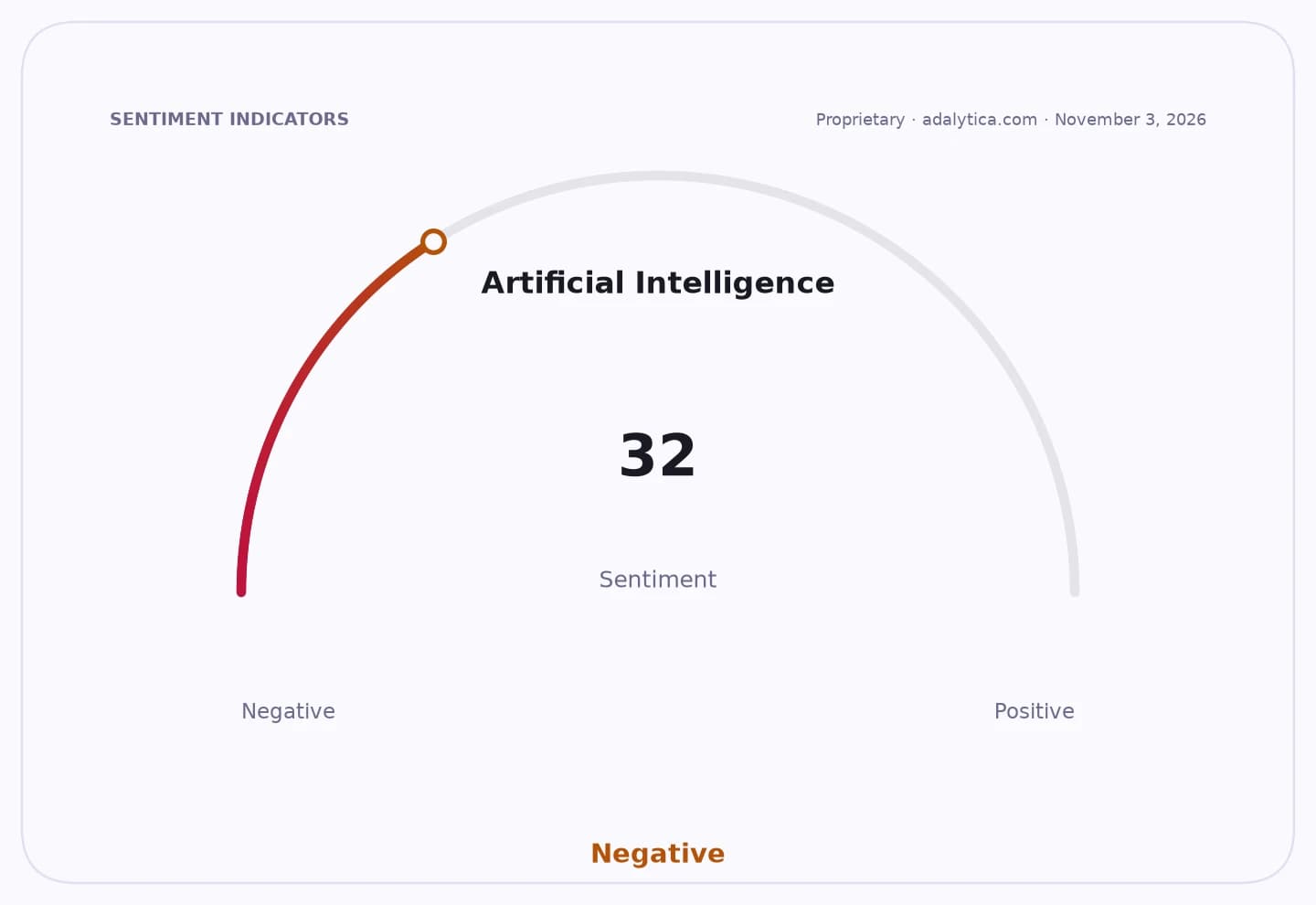
Sentiment Indicators
Artificial Intelligence
Education Minister Jason Clare said the “digital detox” would start with tighter limits on generative AI in primary schools and in high-school assessments, with an explicit push to keep more learning offline. Year 5 NAPLAN testing will return to pen and paper, a symbolic and practical setback for the digitisation of assessment systems. A task force will also examine how states can continue regulating classroom screen time, and is due to report three times in 2027.
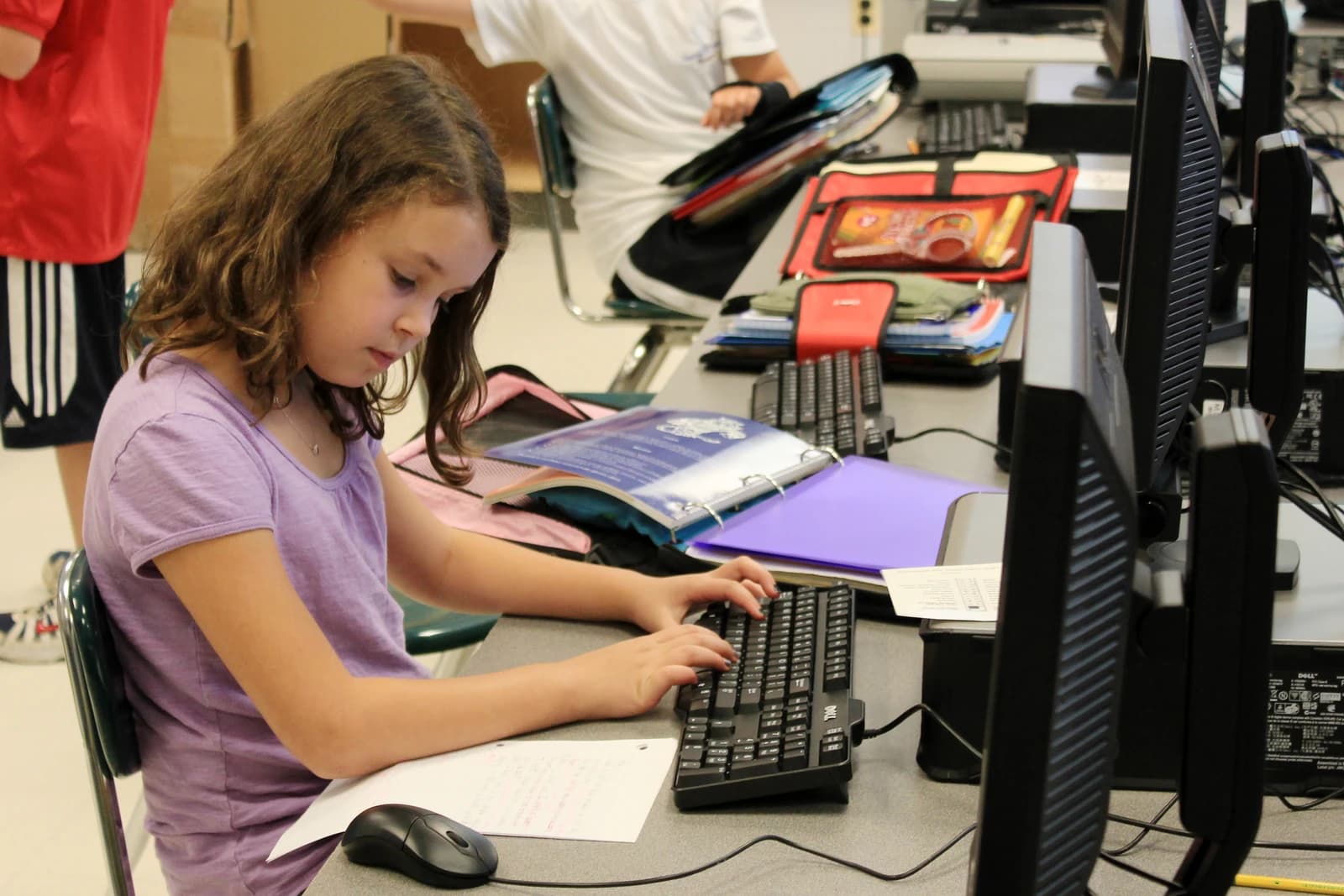
The policy response is being driven by weak educational outcomes and growing concern that technology is crowding out core learning. Australian students recently posted their worst global testing results on record, while spending almost 2.6 hours a day on screens in school, well above the OECD average of 1.7 hours. Clare argued that relying too heavily on technology risks undermining critical thinking and problem-solving, echoing a growing parent backlash against classroom devices.
That makes the overhaul significant beyond education policy. It suggests governments are becoming more willing to treat AI and screen time as something to contain, not accelerate, in lower grades and formal assessment. For software providers, device makers and education platforms, the likely effect is a slower near-term rollout of classroom AI tools and more scrutiny of contracts tied to testing, content delivery and student monitoring. For schools, the policy could raise compliance costs and force a redesign of lesson plans and assessment systems.
The curriculum changes also carry political and social weight. Civics will become compulsory in Years 9 and 10 after testing showed democracy knowledge had fallen to its lowest level since 2004. Lessons on the Holocaust and Jewish contribution to Australian society will be expanded from 2027, part of an effort to counter anti-Semitism through education as social tensions intensify. That widens the overhaul from a technology debate into a broader statement about what schools should prioritise: digital fluency, or citizenship, memory and social cohesion.
There is still room for resistance, particularly from states that argue the evidence against screens is not settled and from educators who see AI as a productivity tool rather than a threat. But the direction of travel is clear: Australia is trying to reverse a decade-long assumption that more technology in classrooms is inherently better. The next test will be whether the tighter rules improve results enough to justify the loss of flexibility and whether other education systems follow with similar limits on classroom AI.
| Entity | Gains | Losses |
|---|---|---|
| Students | ▲More device-free learning | ▼Less AI-assisted convenience |
| Schools and teachers | ▲Clearer classroom boundaries | ▼Extra compliance burden |
| Education tech firms | ▲Long-term demand for approved tools | ▼Near-term adoption risk |
| Government | ▲Political credit on standards and social cohesion | ▼Pressure if test scores do not improve |