Malaysia is moving to make digital literacy and the ethical use of artificial intelligence part of the national school curriculum from 2027, a policy shift that puts the education system on a collision course with one of the biggest structural changes facing the workforce.
Malaysia to add AI literacy to school curriculum

Education Minister Fadhlina Sidek said pupils entering Year One and Form One will be taught how to use digital platforms safely and responsibly, including the government’s DELIMa learning platform, while also being trained to ask better questions of AI rather than rely on it for ready-made answers. The move matters because it turns AI from an optional classroom tool into a basic competency, signaling that the government sees digital fluency as foundational to future productivity, not an add-on.
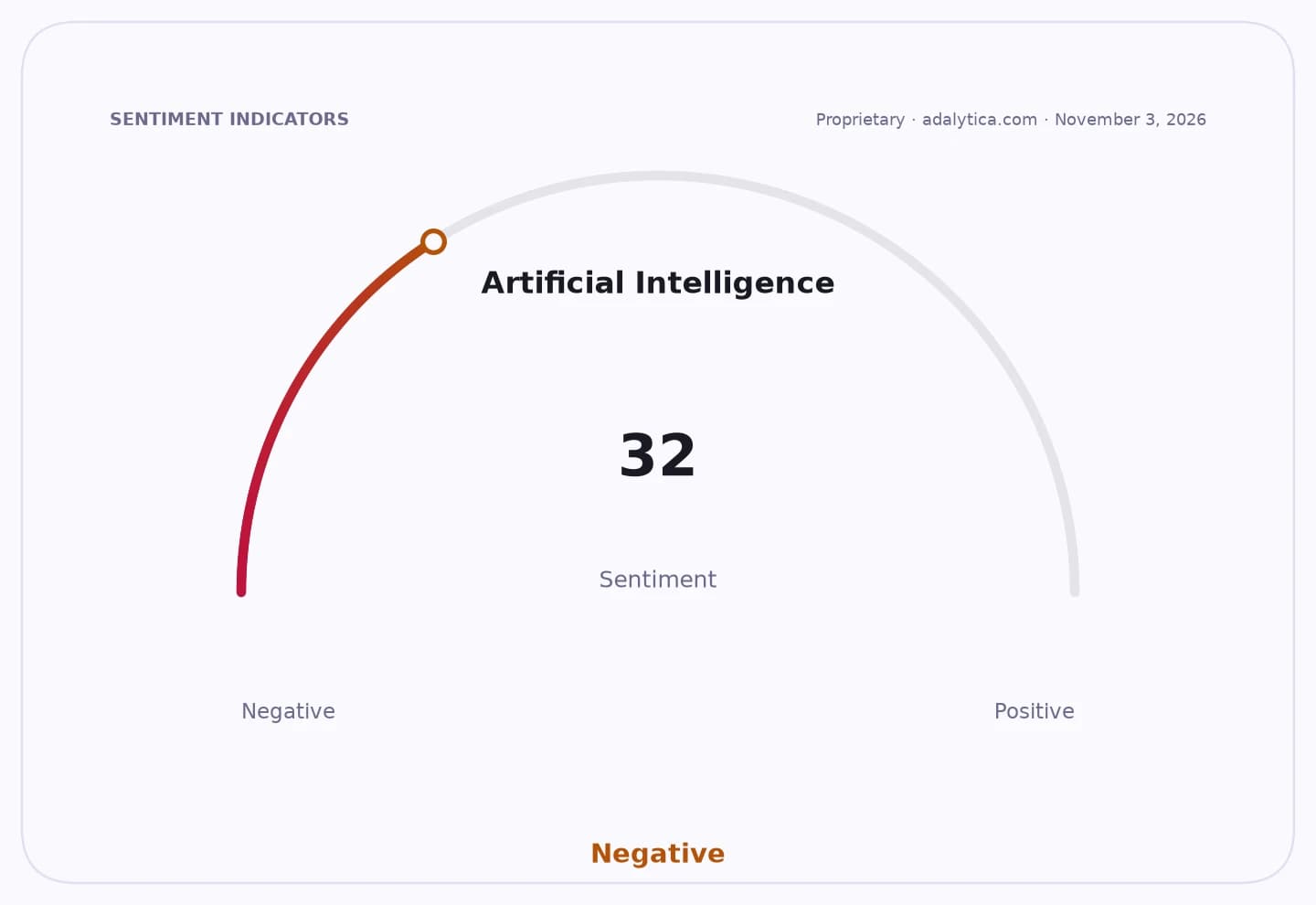
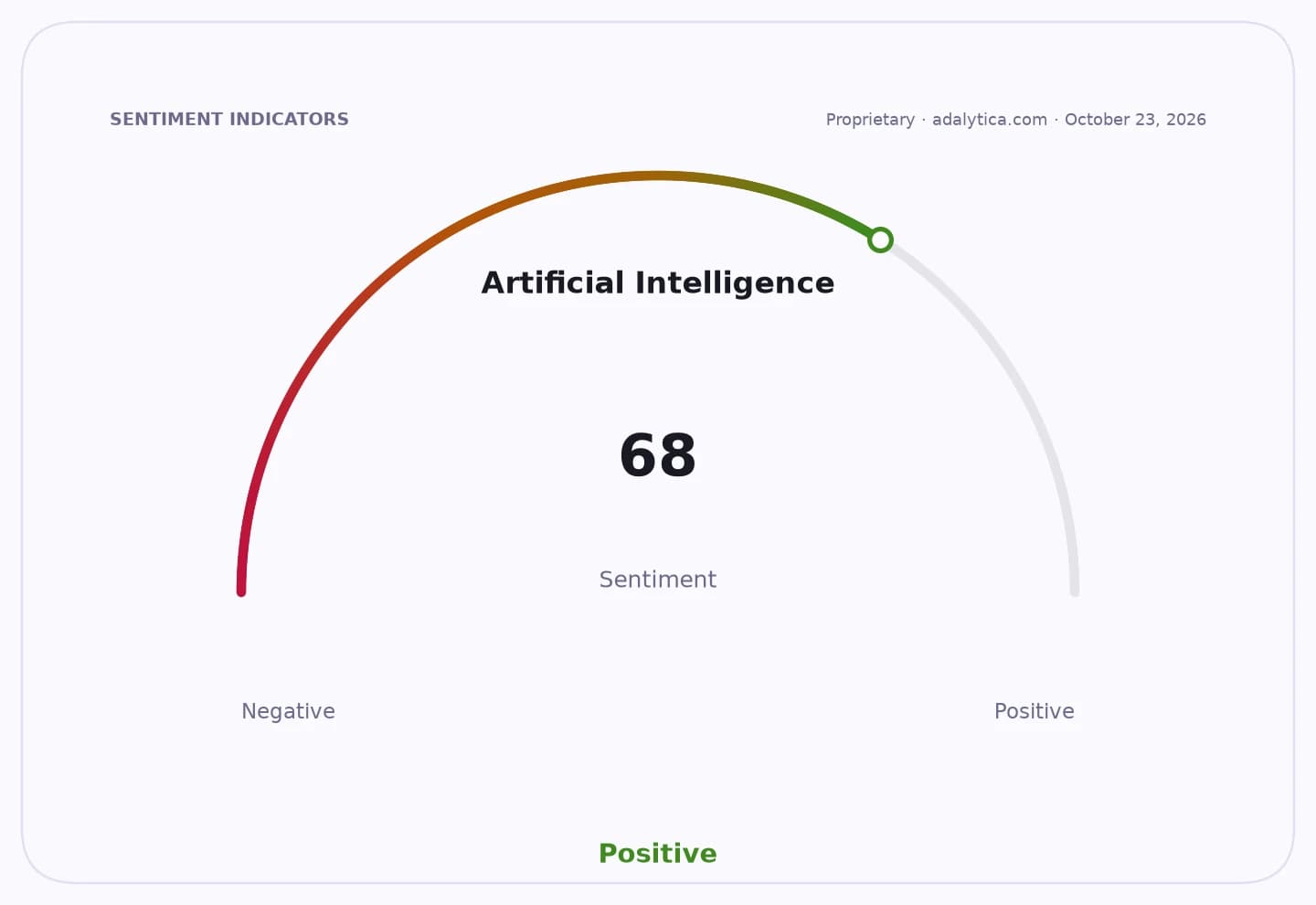
Sentiment Indicators
Artificial Intelligence
The economic significance extends beyond schools. Malaysia is trying to build a workforce that can function in a more automated economy, where basic AI literacy, critical thinking and digital safety are increasingly prerequisites for higher-value jobs. That is especially relevant for a country seeking to move up the value chain in services, manufacturing and technology-related roles. Embedding those skills early could help narrow future productivity gaps, but only if the curriculum is matched by teacher training, infrastructure and consistent access to devices and connectivity.
The ministry is also leaning on the practical side of implementation. Fadhlina said the curriculum will reinforce safe use of digital platforms and that the government is strengthening online maintenance channels for schools, part of a broader push to make the education system more digitally usable rather than merely digitized. The ministry separately announced a RM50,000 contribution to SK Damansara Utama, a small but telling sign that the policy push is being paired with ground-level support.

For investors, the story is less about a direct market catalyst than about the direction of public-sector demand. A curriculum centered on AI and digital literacy tends to favor companies and service providers tied to education technology, cloud software, devices, cybersecurity and connectivity, while raising the bar for legacy education vendors that cannot support integrated digital learning. It also reinforces the medium-term investment case for firms exposed to Malaysia’s digital transformation, even if the impact on revenues will be gradual rather than immediate.
The bull case is that the policy accelerates digital adoption, improves human capital and creates a more AI-ready labor market. The bear case is familiar: without adequate execution, schools may add new content without closing the gap in teacher readiness, broadband quality and device access, leaving the reform more aspirational than transformative.
The larger narrative is that governments across the region are no longer debating whether AI belongs in education, but how early it should be taught and under what ethical framework. Malaysia’s answer is to start at the beginning of formal schooling, making digital judgment and AI literacy part of the country’s future competitiveness.
| Entity | Gains | Losses |
|---|---|---|
| Malaysian students | ▲Digital and AI skills | ▼Less rote learning |
| Education Ministry | ▲Reform credibility | ▼Execution risk |
| Edtech and digital platforms | ▲Higher adoption | ▼Legacy vendors |
| Teachers and schools | ▲Better tools and support | ▼Training burden |