Pakistan’s education ministry has signed a memorandum of understanding with Goth AI that will give 4,000 Pakistani teachers free premium subscriptions, a small but symbolically important move that puts artificial intelligence directly into the country’s classroom policy.
Pakistan education ministry signs AI deal with Goth AI
The deal matters because it ties a public-sector education push to a private AI platform at a time when governments across the region are looking for cheaper ways to expand digital learning without building the tools from scratch. For Pakistan, where teacher quality, access to modern materials and uneven school resources remain major constraints, the agreement is pitched as a way to broaden access to AI-assisted teaching and training.
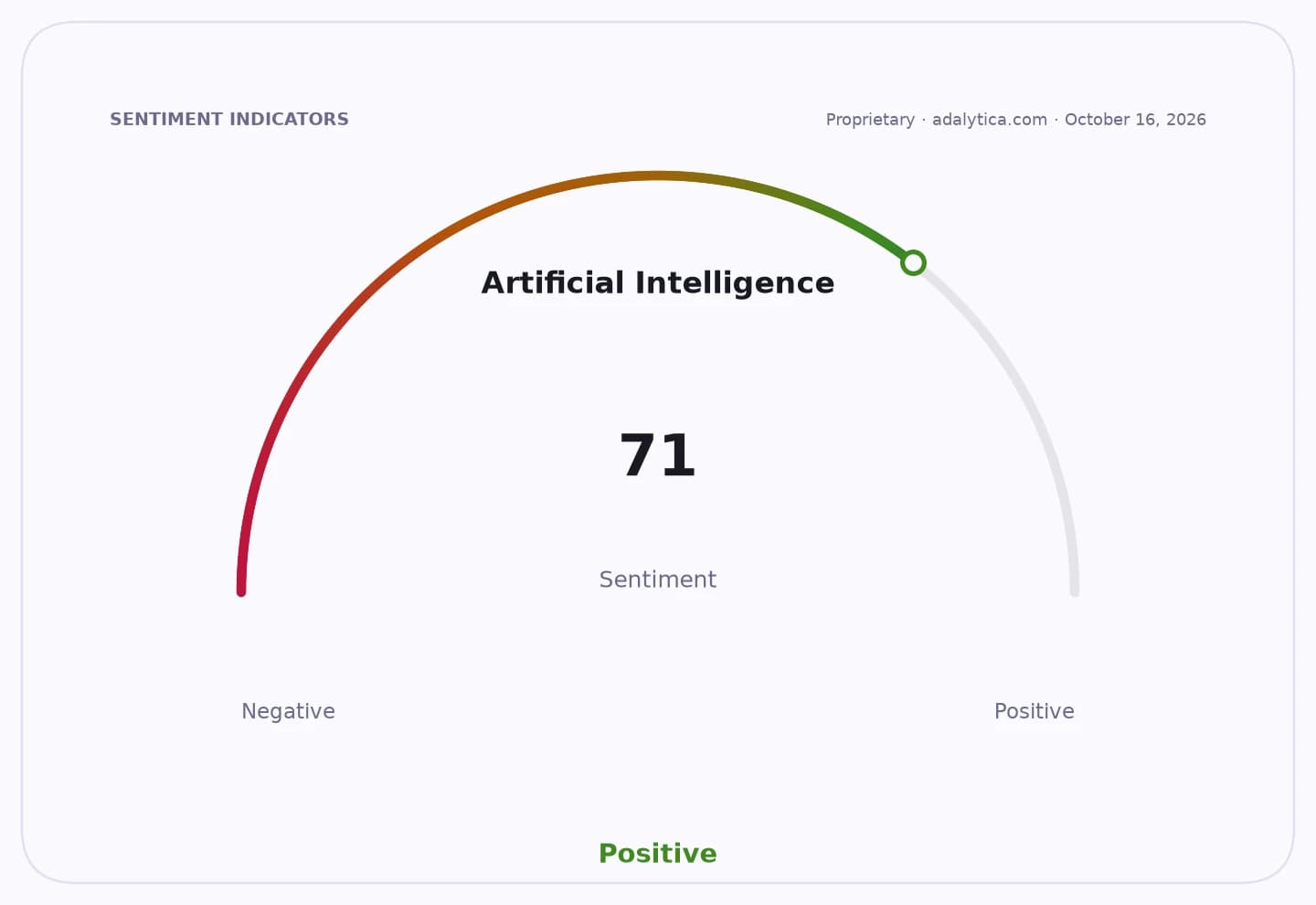
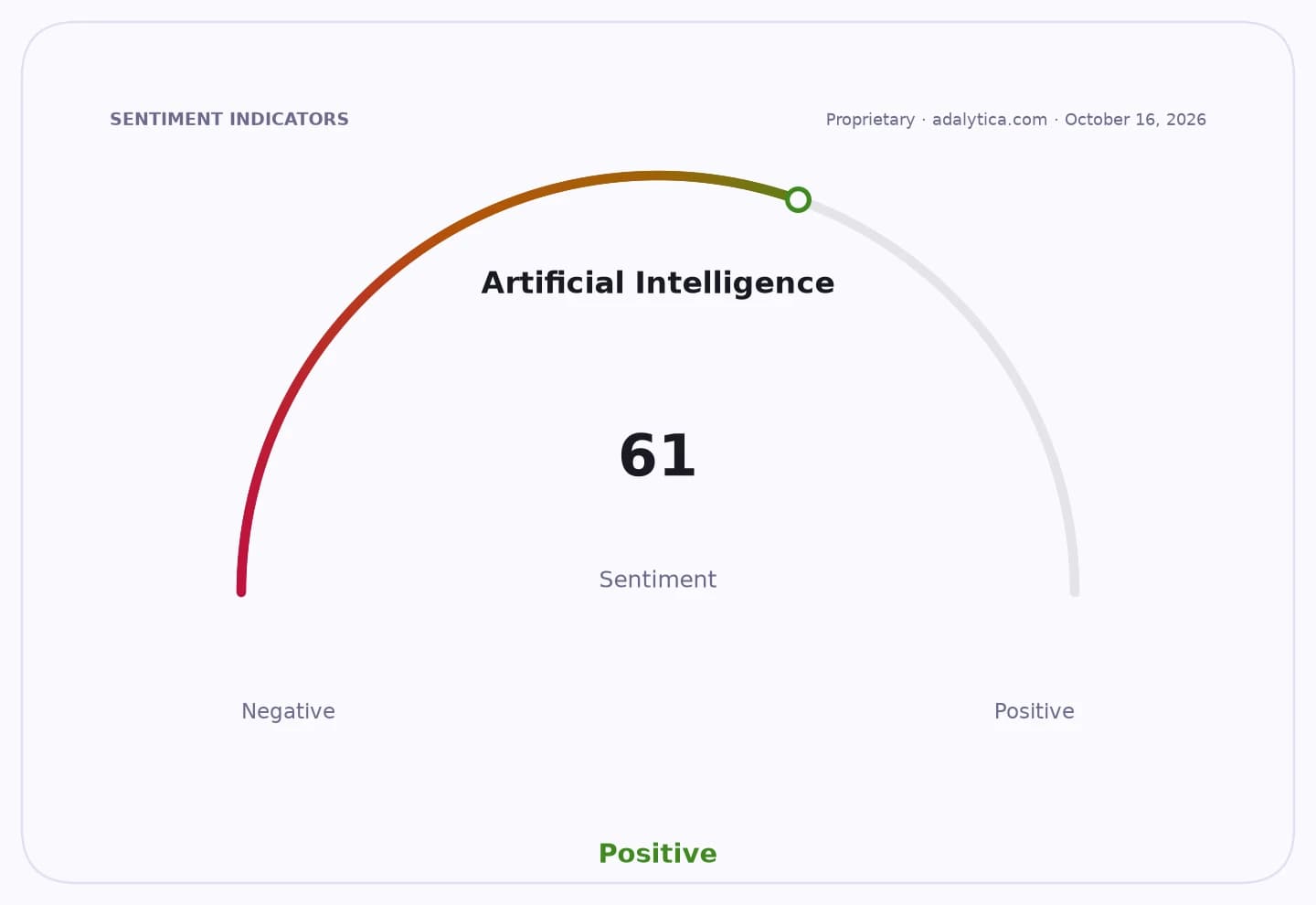
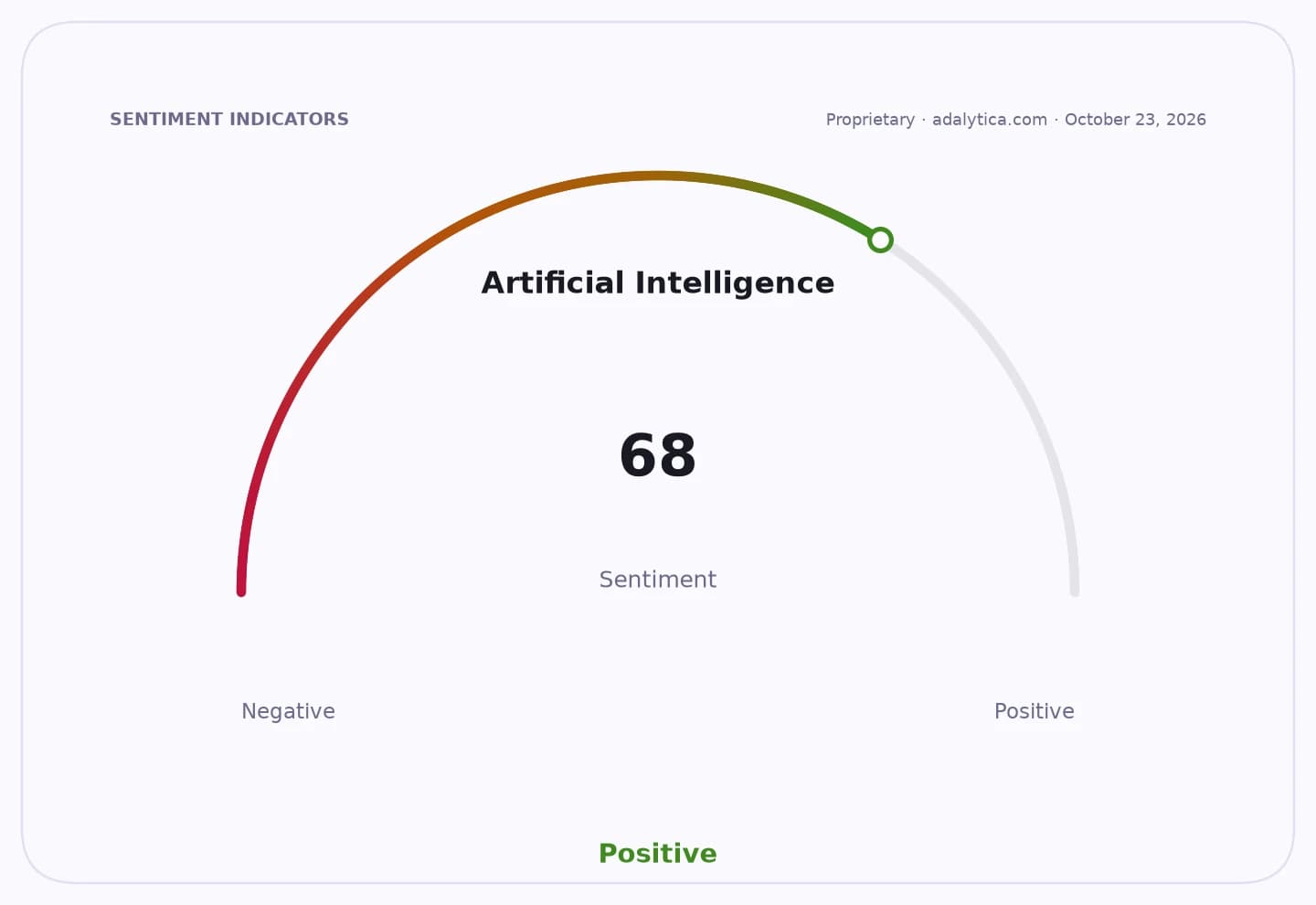
Sentiment IndicatorsⓘProprietary · adalytica.com · October 23, 2026
This is a snapshot — live sentiment, awareness and momentum for 130+ markets update continuously in the dashboard.Open AlphaPulse
Prime Minister Shehbaz Sharif attended the signing ceremony in Islamabad and cast the partnership as part of a wider effort to equip young people with modern technology. He said the government remains committed to empowering youth and providing the resources needed to improve student learning and skills.
For Goth AI, the arrangement offers a government-backed foothold in one of South Asia’s largest education markets and a route to visibility among teachers, school administrators and policymakers. For investors watching the AI education space, the announcement adds to evidence that generative AI tools are moving from pilot projects into public institutions, where adoption can scale quickly if ministries decide to expand beyond the initial 4,000-user package.
The immediate economic impact is limited, but the policy signal is broader: Pakistan is trying to link education reform with AI adoption, and that could eventually create procurement opportunities for software providers, training vendors and device makers. The government also framed the deal as part of a push to improve modern educational facilities and support students with better learning tools.
The next test is whether the ministry turns the MoU into a larger rollout or a broader digital education program. If it does, the partnership could become a template for more public-private AI deals in education; if not, it will remain a headline-grabbing but narrow pilot.
| Entity | Gains | Losses |
|---|---|---|
| Pakistan education ministry | ▲Digital education boost | ▼Budget pressure if scaled |
| Goth AI | ▲Government exposure | ▼Execution risk |
| Teachers | ▲Free premium access | ▼Limited rollout size |
| Other edtech vendors | ▲Sector visibility | ▼Competition from Goth AI |