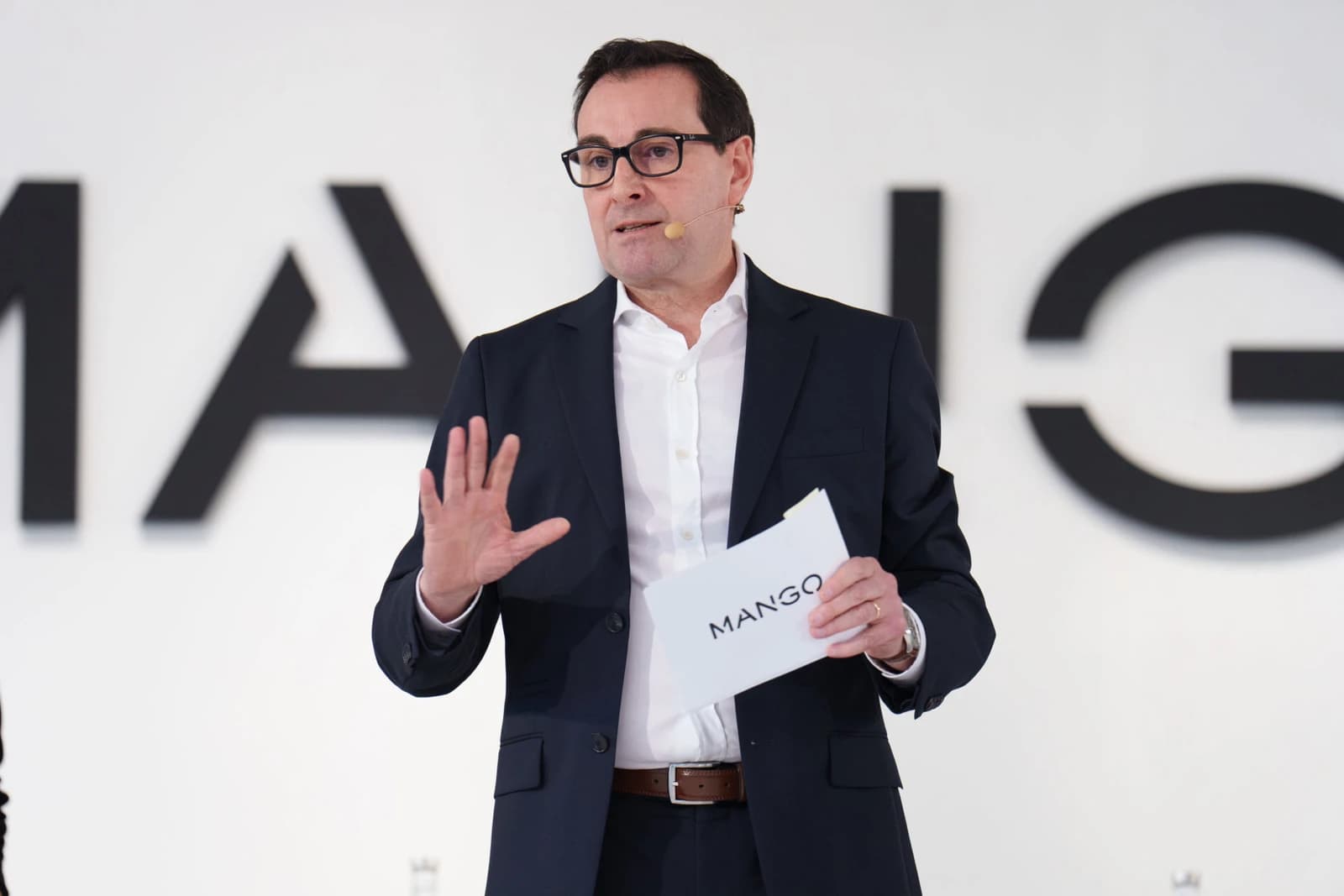
Uruguay is moving to put public policy at the center of artificial intelligence in schools, as education officials warn that classroom adoption is already outpacing governance.
Uruguay ANEP pushes AI policy in schools
Pablo Caggiani, the president of the country’s public education system ANEP, said there “must be public policy intervention” to guide how AI is used in education, arguing that students and teachers need help using the tools while also confronting their ethical and governance risks. The comments set the tone for Ceibal EduIA, the third edition of the conference focused on the intersection of education and artificial intelligence.
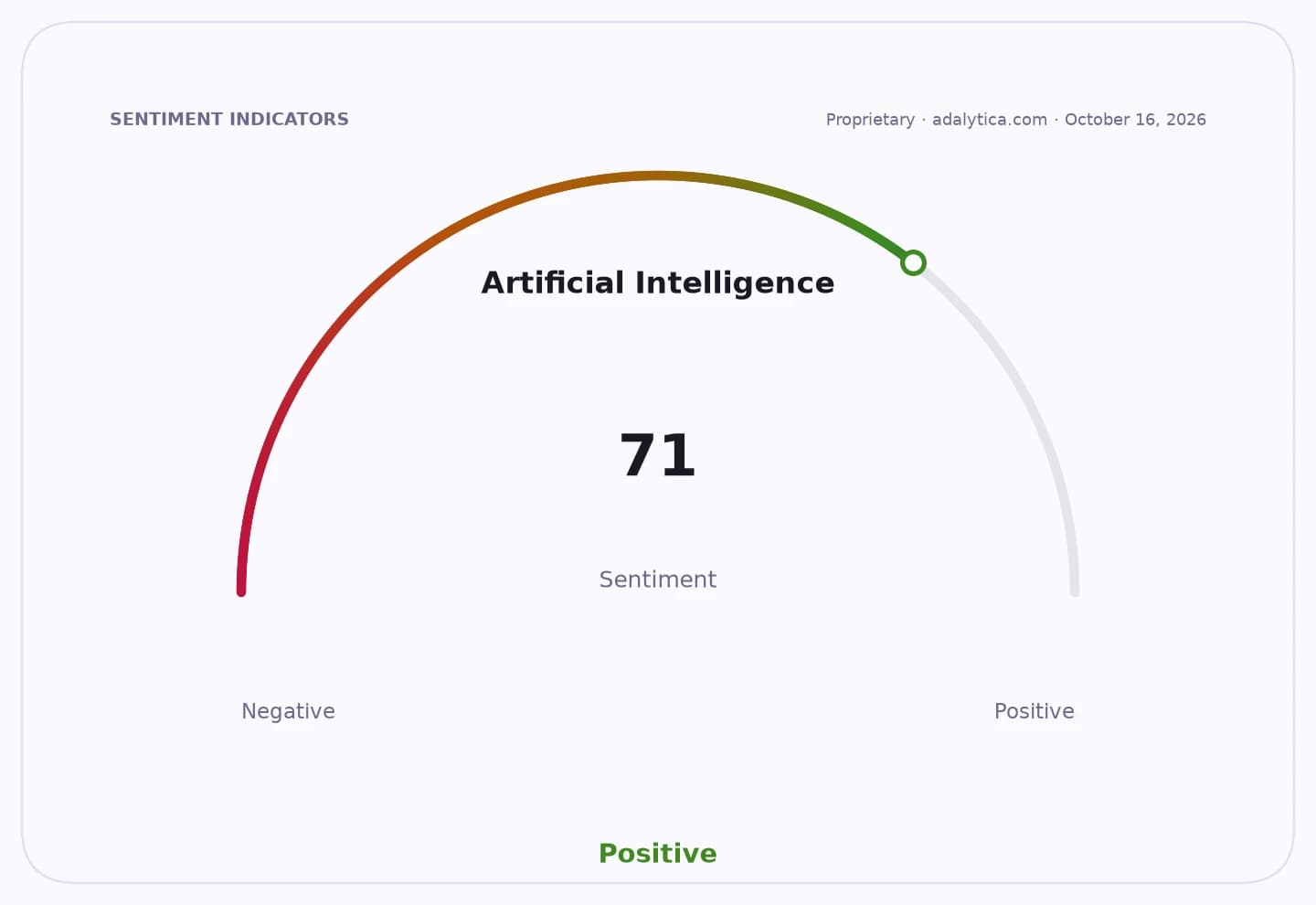
Sentiment IndicatorsⓘProprietary · adalytica.com · October 16, 2026
This is a snapshot — live sentiment, awareness and momentum for 130+ markets update continuously in the dashboard.Open AlphaPulse
The policy push matters because AI is already spreading through classrooms faster than ministries can regulate it. Caggiani pointed to surveys showing significant use of AI platforms by both teachers and students in Uruguay, a sign that schools are absorbing the technology before standards on privacy, accuracy, assessment and academic integrity are fully in place.
That makes the issue economic as well as pedagogical. Education systems that fail to set rules risk widening gaps between well-resourced schools that can deploy AI effectively and those that cannot, while also exposing governments to higher compliance, training and procurement costs later. For countries trying to build digital skills, the stakes extend to workforce readiness and public-sector productivity.
The conference opening also underscored how governments are starting to treat AI as state infrastructure rather than a classroom add-on. Ceibal, Uruguay’s school technology agency, signed a cooperation agreement with the Foreign Ministry to support AI literacy for diplomats and develop international cooperation on education and AI, showing the policy debate is broadening beyond schools into public administration.
For investors, the story reinforces the growing market for education technology, AI training and governance tools. It also highlights the regulatory backdrop facing global software groups and edtech providers, from Microsoft and Alphabet to education platforms that must adapt products to local rules on safety, data use and student oversight.
The immediate catalyst is likely to be whether Uruguay turns this discussion into formal guidance for schools and teacher training. Any move toward national standards would give the country a framework for adoption — and a signal to vendors that AI in education is becoming a regulated market, not just an experimental one.
| Entity | Gains | Losses |
|---|---|---|
| ANEP / Ceibal | ▲Policy control | ▼Ad hoc adoption |
| Teachers and students | ▲Clearer AI guidance | ▼Unregulated use |
| Edtech vendors | ▲New demand for tools | ▼Compliance uncertainty |
| Governments | ▲Better governance | ▼Higher short-term costs |