The biggest challenge in using AI in schools is no longer access to the technology, but how to control it without undermining learning, privacy and academic integrity.
AI in schools raises governance, privacy, integrity issues
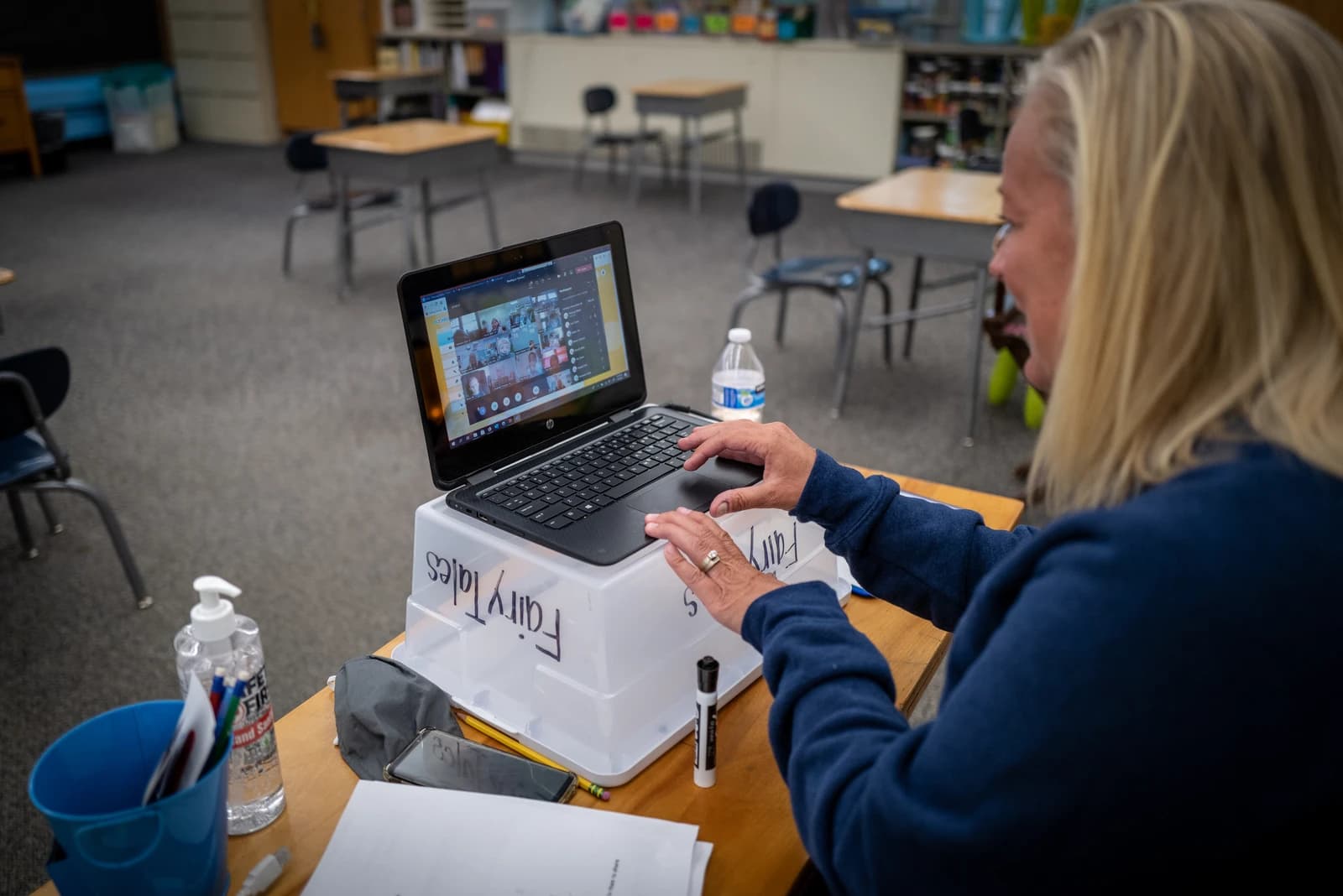
That is the dominant message running through the latest debate over AI in education, where officials and educators are moving from whether to adopt the tools to how to govern them. The issue matters economically because schools are becoming one of the largest early test beds for generative AI, with the outcomes likely to shape demand for tutoring software, digital courseware and the wider education-technology market.
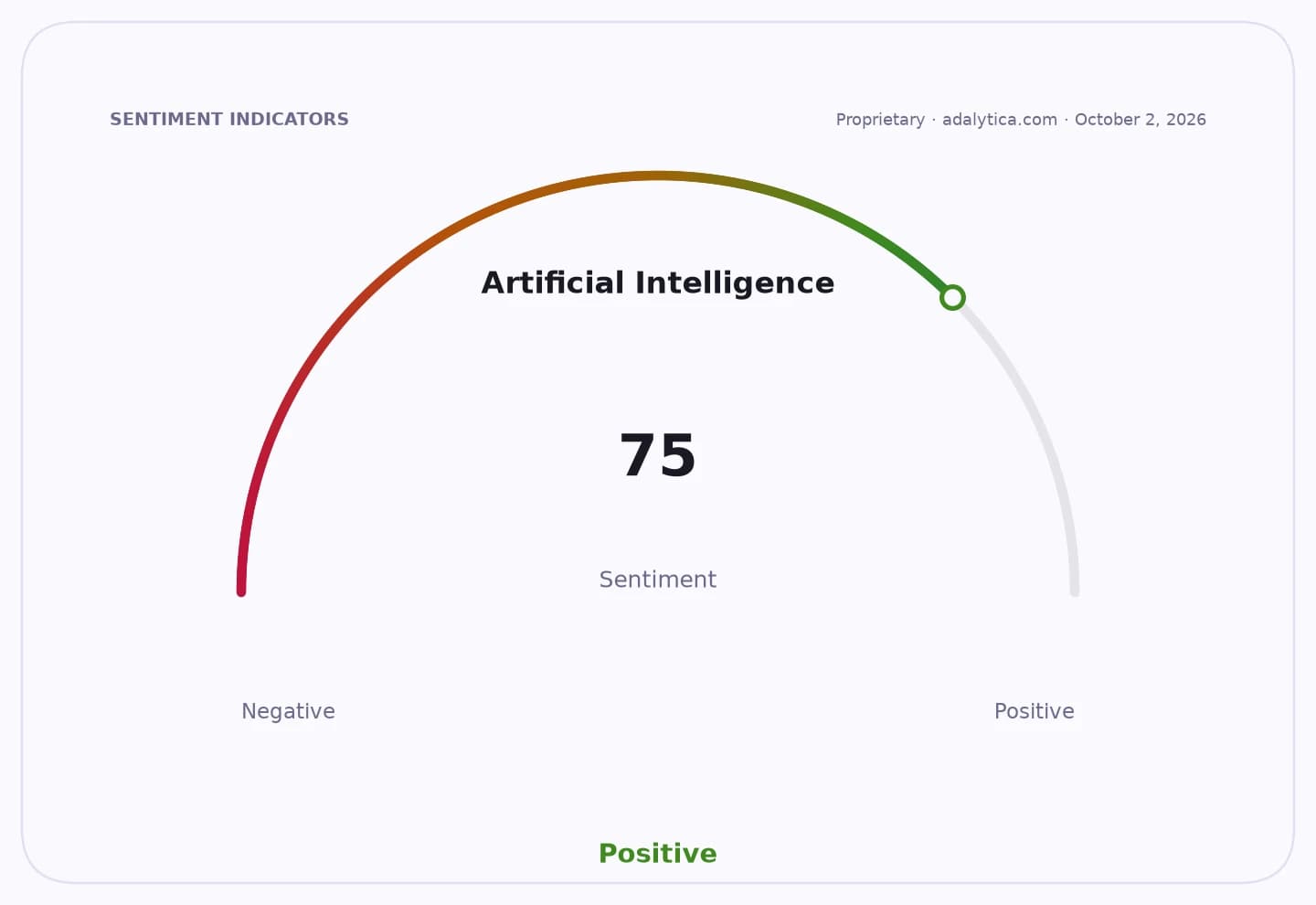
Sentiment IndicatorsⓘProprietary · adalytica.com · October 3, 2026
This is a snapshot — live sentiment, awareness and momentum for 130+ markets update continuously in the dashboard.Open AlphaPulse
The Ministry of Education’s warning fits a broader global shift. Across the sector, AI is being used for tutoring, lesson planning and assessment, while some new schools are being built around AI-first models and tech donors are funding alternative education systems designed to produce AI-skilled workers. But the same tools raise the risks that appear most in companies’ filings: plagiarism, cheating, inaccurate outputs, biased recommendations, copyright disputes and the misuse of student data.
Those concerns go to the heart of whether AI improves education or simply automates parts of it. For school systems, the economic trade-off is between lower costs and broader access on one hand, and the expense of oversight, new safeguards and potential legal exposure on the other. For governments, the challenge is even bigger: they must decide how much autonomy to give teachers and schools while still protecting children and keeping standards credible.
Investors should read that as both an opportunity and a constraint. Demand for AI tools in education is likely to grow, and companies that can prove they are safe, auditable and compliant may gain share. But the sector’s addressable market will be limited if regulators move toward strict rules on student data, content controls and permissible classroom use. That puts a premium on firms with strong governance and products that help schools manage risk, not just boost productivity.
The tension is likely to intensify as AI becomes embedded in exams, homework and personalized learning. The winners will be providers that can turn compliance into a feature. The losers will be schools and vendors that treat AI as a shortcut before they have solved the problem of control.
| Entity | Gains | Losses |
|---|---|---|
| Safe AI edtech vendors | ▲Higher trust and adoption | ▼ |
| Schools with governance frameworks | ▲Better oversight | ▼ |
| Students and parents | ▲More transparent tools | ▼ |
| Weakly regulated AI tools | ▲ | ▼Stricter scrutiny |