Artificial intelligence is moving from a classroom buzzword to a real business model, and that shift matters because it could change how schools teach, how parents shop for education and how investors value the companies trying to sell the future of learning.
Chegg and Alpha Schools in AI Education Shift
Alpha Schools is one of the clearest examples yet. The private school chain is expanding across the U.S. with a model that replaces much of the traditional classroom lecture with personalized, AI-driven software for core academics. That is more than a novelty. It is a direct challenge to the old assumption that educational value comes mainly from seat time, teacher-led lessons and standardized pacing.
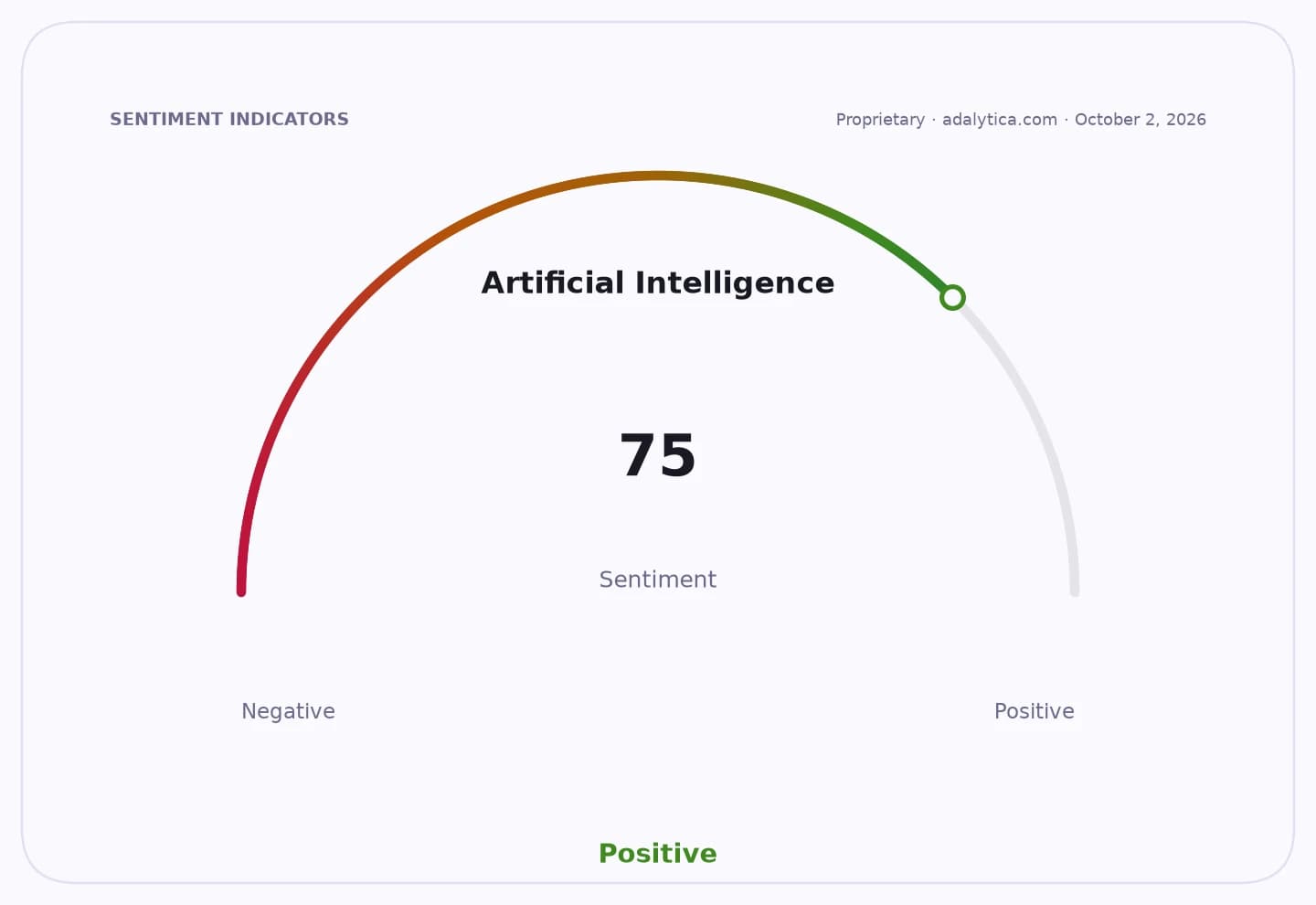
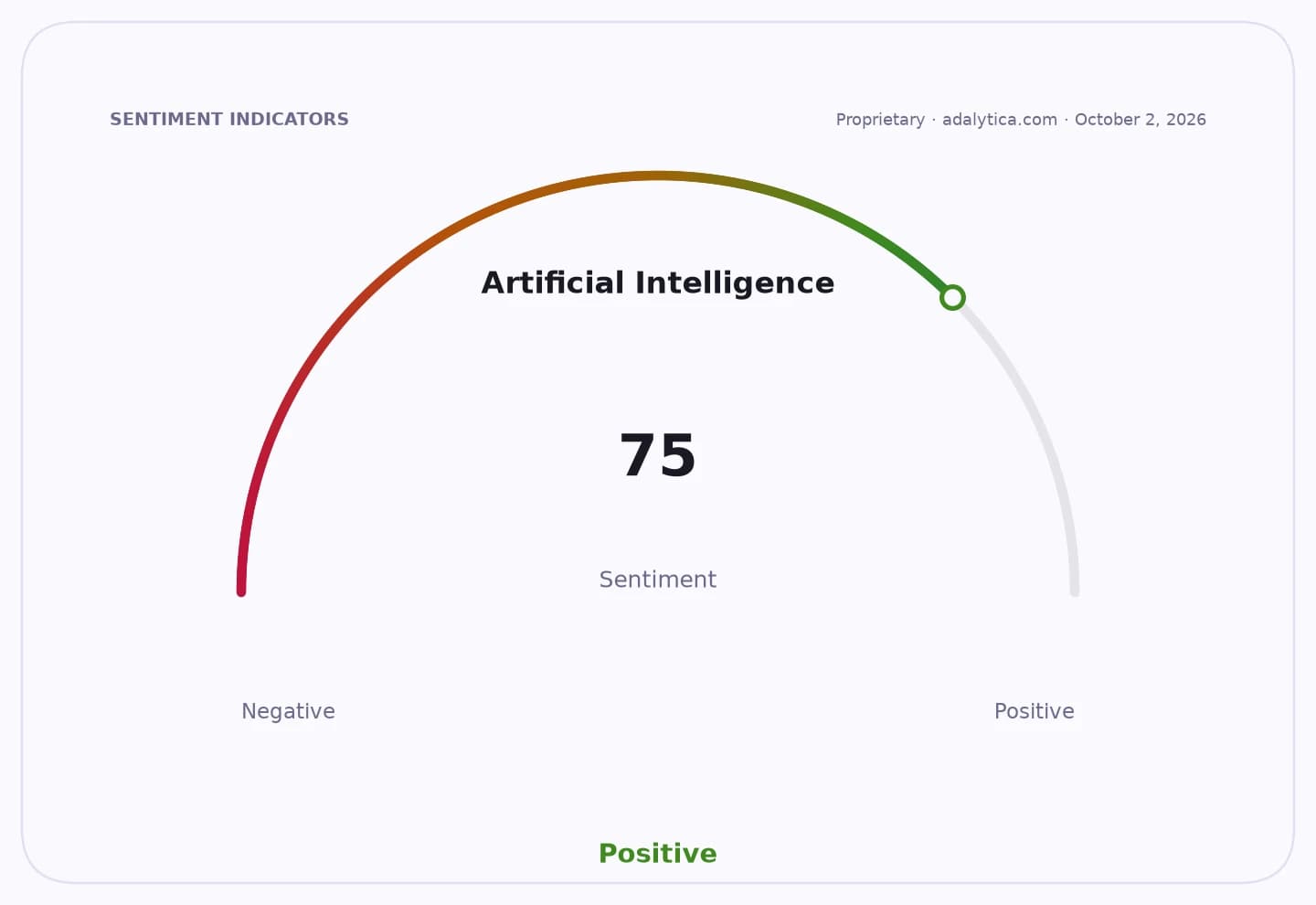
Sentiment IndicatorsⓘProprietary · adalytica.com · October 2, 2026
This is a snapshot — live sentiment, awareness and momentum for 130+ markets update continuously in the dashboard.Open AlphaPulse

For investors, the bigger takeaway is that AI in education is no longer just about tutoring apps or homework help. It is starting to reshape the entire delivery system. If a school can use software to tailor instruction at scale, the economics of education can change: fewer rigid one-size-fits-all lessons, more data-driven progression, and potentially lower marginal costs for scaling personalized support. That is the kind of model that can pressure incumbents while opening the door for new winners.
The market is already hinting at where this debate is heading. Chegg, long a proxy for student homework support, has been under heavy pressure as generative AI tools become easier substitutes for specialized study help. Its shares recently traded around 74 cents, well below the levels seen earlier in the year, and technical indicators have remained weak, with the stock below both its 50-day and 200-day moving averages. That kind of price action reflects a simple reality: investors are questioning whether AI is helping education companies grow or eating their lunch.
At the same time, the broader education sector is not standing still. Lincoln Educational Services and other school operators are still trying to use technology to improve student outcomes and retention, while filings from larger education providers show that AI is being folded into platforms meant to support learners more efficiently. The common thread is that schools and education companies are racing to prove AI can improve results without simply substituting for human judgment.
That distinction matters. The most durable long-term winners are unlikely to be the companies that automate away teachers entirely. They are more likely to be the ones that use AI to make instruction more adaptive, more measurable and more effective. Parents want better outcomes. Schools want better economics. Investors want recurring revenue and a moat. AI only becomes investable in education if it can deliver all three.
There are still real risks. Education is a trust business, and any model that looks too mechanical could face pushback from educators, regulators and families. AI tools also need guardrails to avoid academic shortcuts and uneven learning outcomes. But if Alpha Schools and similar models prove that personalized software can lift achievement rather than dilute it, the opportunity could be significant.
For long-term investors, the key question is not whether AI will enter education. It already has. The question is which companies can use it to build better schools, better products and better economics over the next decade. That makes the AI-in-education theme worth watching closely, especially for investors looking for the next durable platform rather than the next temporary trend.
| Entity | Gains | Losses |
|---|---|---|
| Alpha Schools | ▲scalable personalization | ▼traditional classroom model |
| Students and parents | ▲tailored learning pace | ▼one-size-fits-all instruction |
| AI education vendors | ▲new demand | ▼legacy tutoring models |
| Chegg and similar incumbents | ▲little to none | ▼specialized homework support demand |