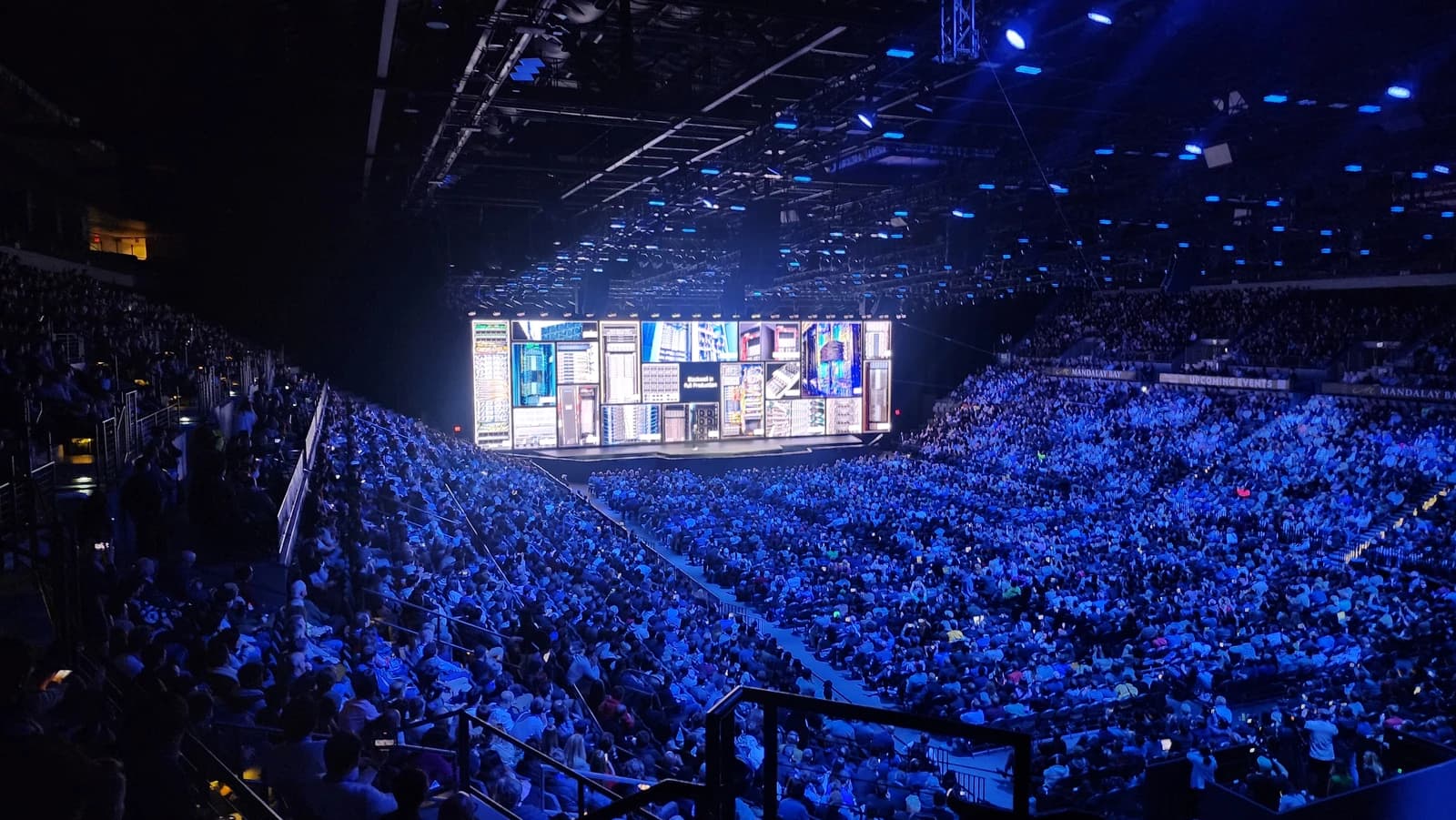
Nvidia CEO Jensen Huang is making a simple but economically important point for families: in the AI era, the best way to prepare children is not to avoid artificial intelligence, but to learn how to use it.
Nvidia CEO says children should learn AI

That advice matters because AI is no longer a niche skill for programmers. It is quickly becoming a general-purpose technology, much like the internet or personal computing, and that means the workers who understand it early will likely have a lasting edge. Huang told CNN’s Anderson Cooper that he does not know which career will pay best in the future, but he is convinced schooling still matters and that children should “engage AI” rather than be discouraged by it.
Sentiment IndicatorsⓘProprietary · adalytica.com · October 2, 2026
This is a snapshot — live sentiment, awareness and momentum for 130+ markets update continuously in the dashboard.Open AlphaPulse

For parents, that is more than motivational talk. It reflects the way the labor market is changing under the pressure of automation, software and machine learning. Jobs are not simply disappearing overnight; they are being reshaped. The most valuable employees in that world will be those who can use AI to work faster, think bigger and multiply their capabilities. Huang’s message is that education is still the foundation, but AI literacy is becoming the new multiplier.
That is also why his comments resonate well beyond a parenting interview. Nvidia sits at the center of the AI buildout, supplying the chips that power training and inference across data centers. The company’s stock has had a volatile run, but the long-term story remains intact. Shares recently closed at $230.86, above both the 50-day moving average of $217.61 and the 200-day moving average of $200.09, while the relative strength index near 66 suggests the stock is strong but not yet washed out. In other words, investors are still paying up for Nvidia’s role in the AI economy, even as sentiment around the broader sector has become more mixed.
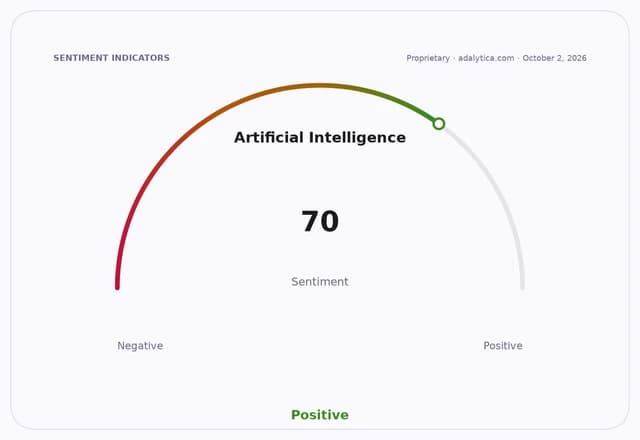
The broader AI trade is maturing, which is exactly why Huang’s framing is useful. Adalytica’s AI sentiment gauge shows neutral sentiment at 70 with awareness at 39, suggesting the hype cycle is no longer as one-sided as it was earlier this year. For Nvidia itself, sentiment is also neutral, even though investor attention remains high. That combination often marks a market that has moved from pure excitement to a more selective phase, where earnings power and real adoption matter more than headlines.
And that is where Huang’s advice connects back to investors. If AI is becoming a basic skill for the next generation, then the companies that make AI usable, affordable and embedded in daily work could enjoy years of compounding demand. Nvidia is still one of the clearest beneficiaries, but so are software companies, cloud platforms, cybersecurity firms and education technology businesses that help workers adapt.
There are risks, of course. AI could reduce demand for some entry-level tasks, and not every company tied to the theme will prove durable. Valuation also matters, especially after the huge gains in the sector. But the bigger lesson for long-term investors is that the AI economy is not just about models and chips — it is about human behavior, training and adoption.
Huang is essentially telling parents what investors already know: the winners in major technological shifts are usually the people and companies that lean into the change early. For families, that means school plus AI fluency. For investors, it means focusing on the businesses most likely to keep benefiting as AI moves from novelty to necessity. Nvidia remains a core name to watch, and the broader AI ecosystem still looks worth owning for the long haul.
| Entity | Gains | Losses |
|---|---|---|
| Students who learn AI early | ▲Better job options | ▼Falling behind peers |
| Nvidia and AI chipmakers | ▲More AI adoption | ▼Fear-driven avoidance |
| Employers using AI tools | ▲Higher productivity | ▼Slower-adapting rivals |
| Parents who embrace AI literacy | ▲Better-prepared children | ▼Outdated career advice |