Students who lean on artificial intelligence for schoolwork are posting weaker results, and that matters because it suggests the education gap from AI may be widening just as schools and households rush to embrace the technology.
OECD PISA finds AI users score lower in science
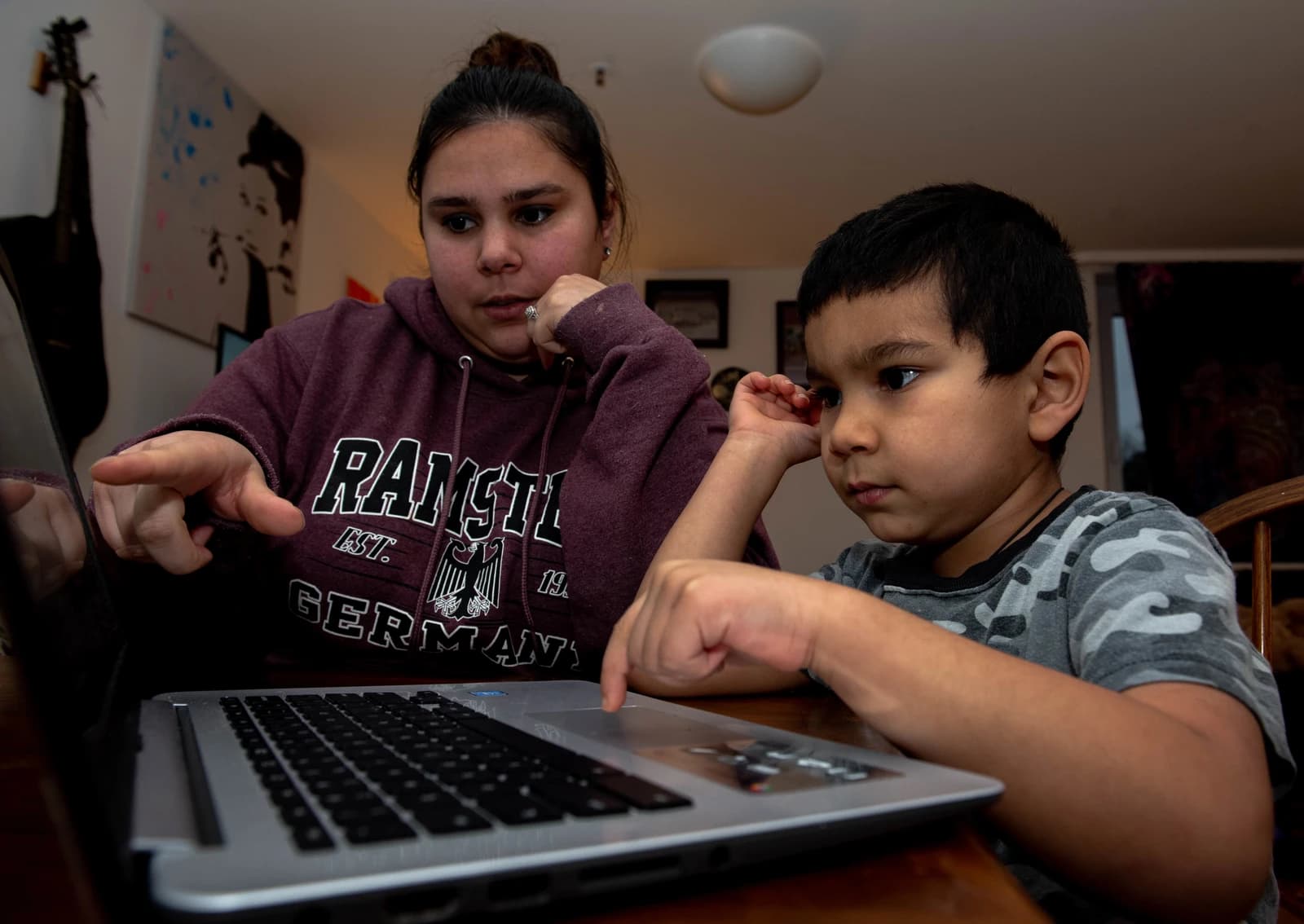
The OECD’s latest PISA assessment found that students using AI for tasks such as summarizing text, drafting work or researching scored about 20 points lower in science than peers who did not use it — roughly the equivalent of a full year of extra schooling. For investors, policymakers and parents, that is a big warning: AI may be making some homework faster, but it is not yet proving it is making students better.
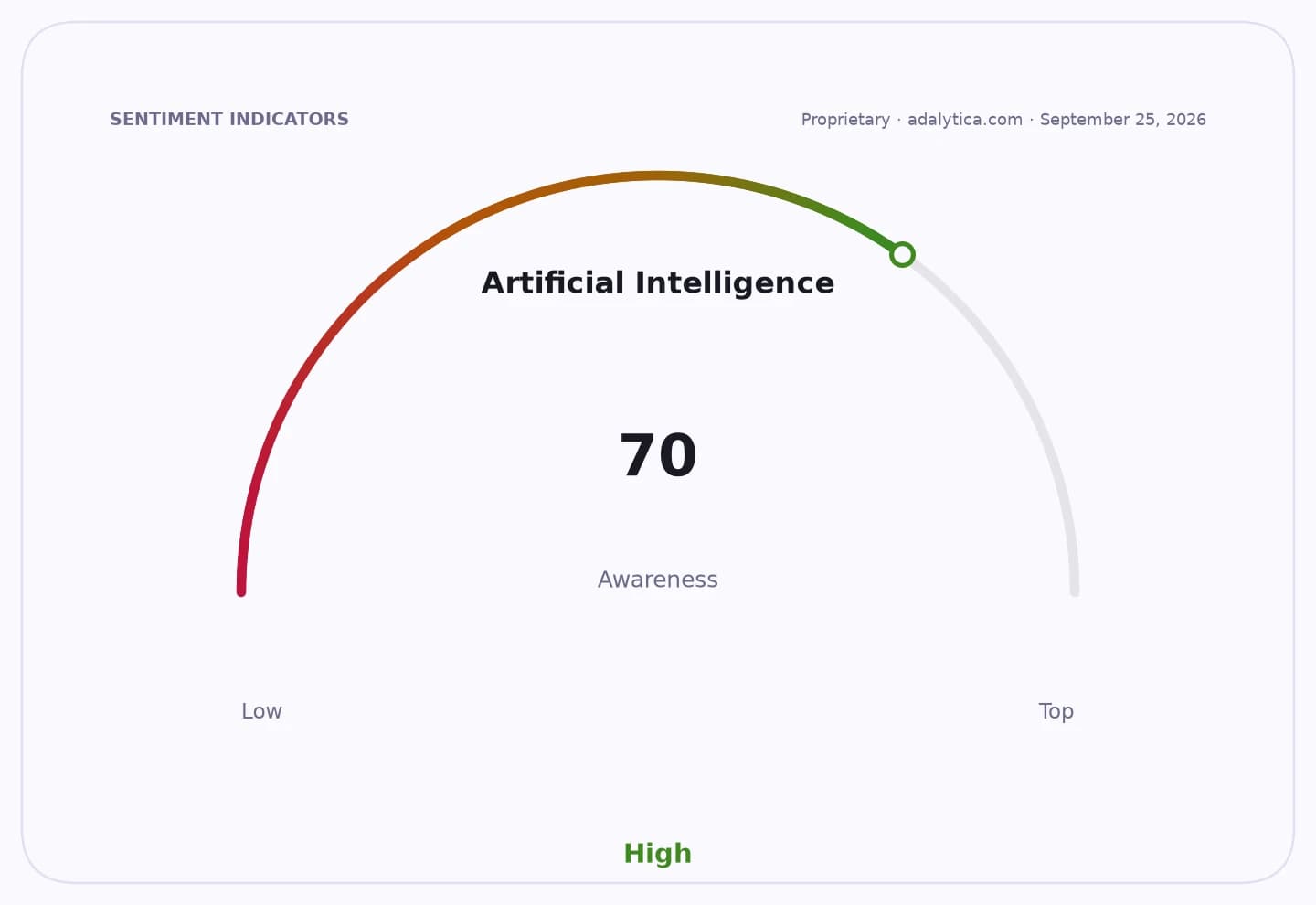
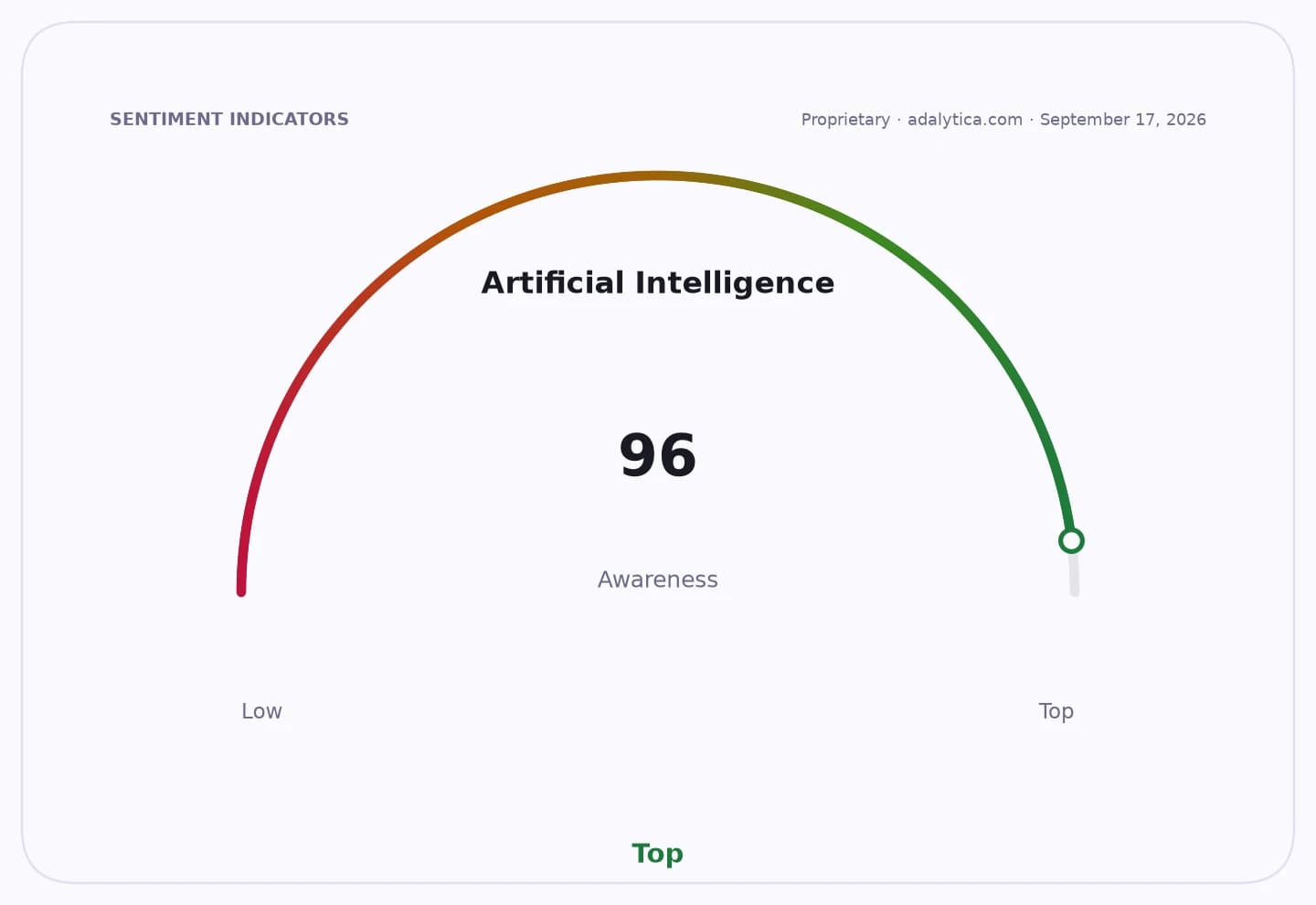
Sentiment IndicatorsⓘProprietary · adalytica.com · September 11, 2026
This is a snapshot — live sentiment, awareness and momentum for 130+ markets update continuously in the dashboard.Open AlphaPulse
That distinction matters economically because human capital is the long game. Countries that improve literacy, math and science skills tend to build more productive workforces, stronger innovation pipelines and higher long-term growth. If AI use in classrooms is linked to weaker performance, the risk is not just lower test scores today but a less capable labor force tomorrow.
The survey, which covered 91 countries and economies and drew on more than 760,000 students representing about 33 million 15-year-olds, also pointed to broader pressures in education. Family engagement appears to be slipping in many countries, while digital distractions are becoming more common in classrooms. In high-income countries, more than a quarter of students said they were distracted by digital devices in science classes. In Japan, South Korea and China, the share was below 10%.
Asia’s top performers underscore the point. China, Singapore, Taiwan, Japan and South Korea led the rankings, while the U.S. continued to show weakness in reading and math. In China, nearly all students exceeded basic proficiency in math and reading, compared with far smaller shares in the U.S. That gulf is not just an academic issue; it is a competitiveness issue that feeds directly into future earnings power, industrial strength and even the adoption of advanced technologies.
For technology investors, the report cuts both ways. Companies such as Microsoft and Nvidia remain central to the AI buildout, but the education data is a reminder that adoption does not automatically equal productivity. Microsoft’s own filings have warned that AI can produce unintended consequences and reputational or legal risks. Nvidia, meanwhile, remains tied to the broader AI ecosystem that depends on convincing institutions and consumers that these tools create durable value, not just novelty.
The long-term investment takeaway is simple: AI is still a powerful secular trend, but investors should separate hype from measurable benefit. In education, the evidence in this survey says students need guardrails, not blind dependence. For families, schools and the companies building AI tools, the next phase of the story will be about whether the technology can improve learning outcomes — not just speed up assignments. That is worth watching closely.
| Entity | Gains | Losses |
|---|---|---|
| Students who avoid heavy AI use | ▲Stronger learning outcomes | ▼Less shortcutting |
| AI-dependent students | ▲Faster homework completion | ▼Lower test scores |
| Schools and policymakers | ▲Chance to set guardrails | ▼Pressure to fix distraction |
| AI vendors and platforms | ▲Long-run demand if outcomes improve | ▼Reputational risk if learning suffers |