China’s education system is increasingly producing world-class results, but the bigger economic story is that those gains still conceal a wide domestic learning gap that keeps private tutoring demand alive and the listed operators in play.
China education gains keep tutoring stocks in play

The OECD’s PISA 2025 results, which put China ahead of Singapore in math, science and reading, reinforce a simple investor thesis: China’s elite urban schools are globally competitive, yet the country’s broader education market remains uneven enough to sustain demand for supplementary learning. That matters because the private education names that survived Beijing’s crackdown are no longer selling a simple growth story; they are selling access to uneven outcomes, exam pressure and parental willingness to pay for an edge.
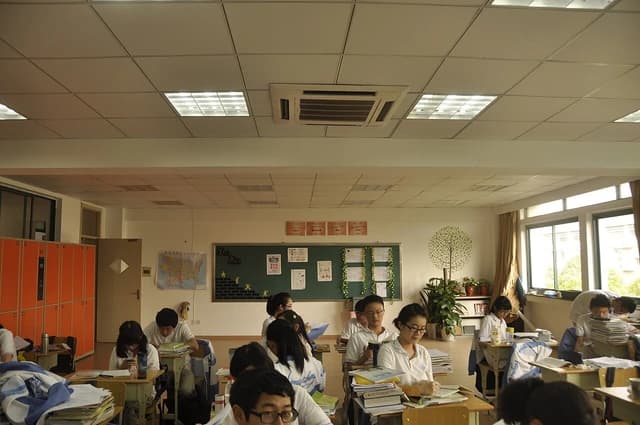
For TAL Education, New Oriental and Gaotu Techedu, the narrative is less about a rising national average than about dispersion beneath it. Stronger test performance at the top does not eliminate demand for tutoring; it can intensify it if families believe the competition for limited high-end university places is becoming even more selective. In that sense, China’s education success is economically double-edged: it supports a more skilled workforce over time, but it also widens the premium on incremental academic advantage, especially in households that can afford extra instruction.
The market has already begun to price that tension. TAL has nearly doubled from its lows and sits above both its 50-day and 200-day moving averages, while New Oriental has stabilized after a long de-rating and Gaotu has bounced sharply from depressed levels. Recent trading has also shown elevated relative strength readings and, in TAL’s case, a stretch into overbought territory before cooling. Those moves suggest investors are treating the sector less as a broken regulatory trade and more as an exposure to durable household spending on education quality.
US-China Relations vs EDUadalytica.com
Explore this data interactively — full history, time series and cross-market comparisons.Open AlphaPulse
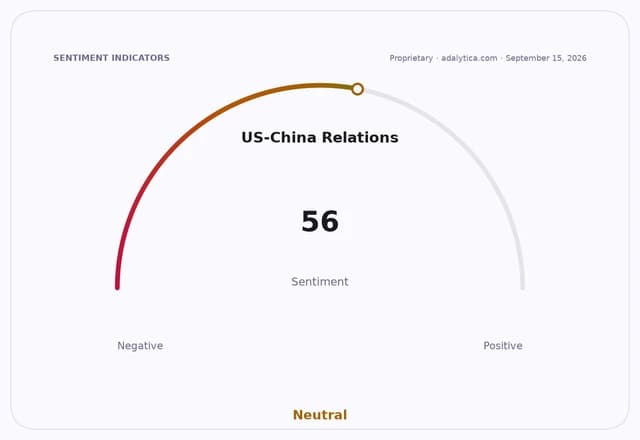
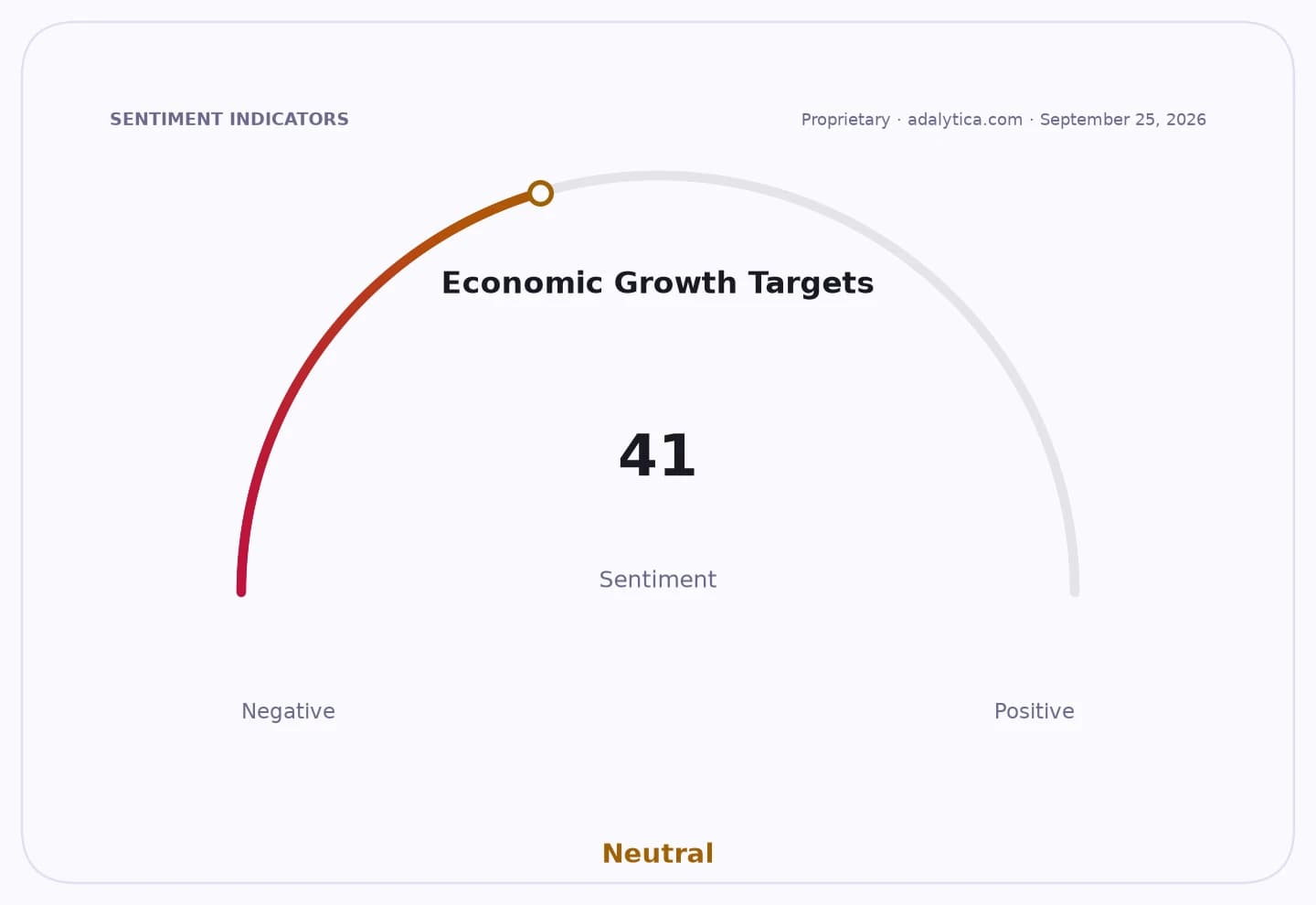
Adalytica’s US–China Relations sentiment gauge remains neutral, but the broader geopolitical backdrop is far from calm. Extreme fear in the global stability snapshot underscores how quickly policy, trade and capital flows can still shift around China-linked assets. For education stocks, the key question is not whether China is improving — it clearly is — but whether that improvement narrows the tutoring opportunity faster than income growth, competition and exam anxiety expand it.
The bullish case is that China’s stronger schools, rising sophistication and continued overseas educational influence support a long runway for premium learning services, digital offerings and test preparation. The bearish case is that the better the public system becomes, the smaller the addressable need for private remediation, especially if regulators again lean against aggressive tutoring models. For investors, that makes the sector a bet on inequality in educational outcomes, not on the headline strength of China’s students.
What matters next is whether the new PISA leadership translates into broader, more even school quality inside China. If it does, the private tutoring market may mature rather than shrink. If it doesn’t, the gap between top-performing students and everyone else remains the real engine of demand.
| Entity | Gains | Losses |
|---|---|---|
| TAL Education | ▲Higher tutoring demand | ▼Broader school-quality convergence |
| New Oriental | ▲Premium learning demand | ▼Regulatory tightening |
| Gaotu Techedu | ▲Upside from exam pressure | ▼Narrowing performance gaps |
| Chinese parents/students | ▲Better national outcomes | ▼Higher competition for top places |