China’s latest fight over the role of English in schools is less about language than about who gets access to opportunity, and it could reshape spending on test prep, tutoring and private education if policymakers decide to move.
China English School Debate and Education Stocks

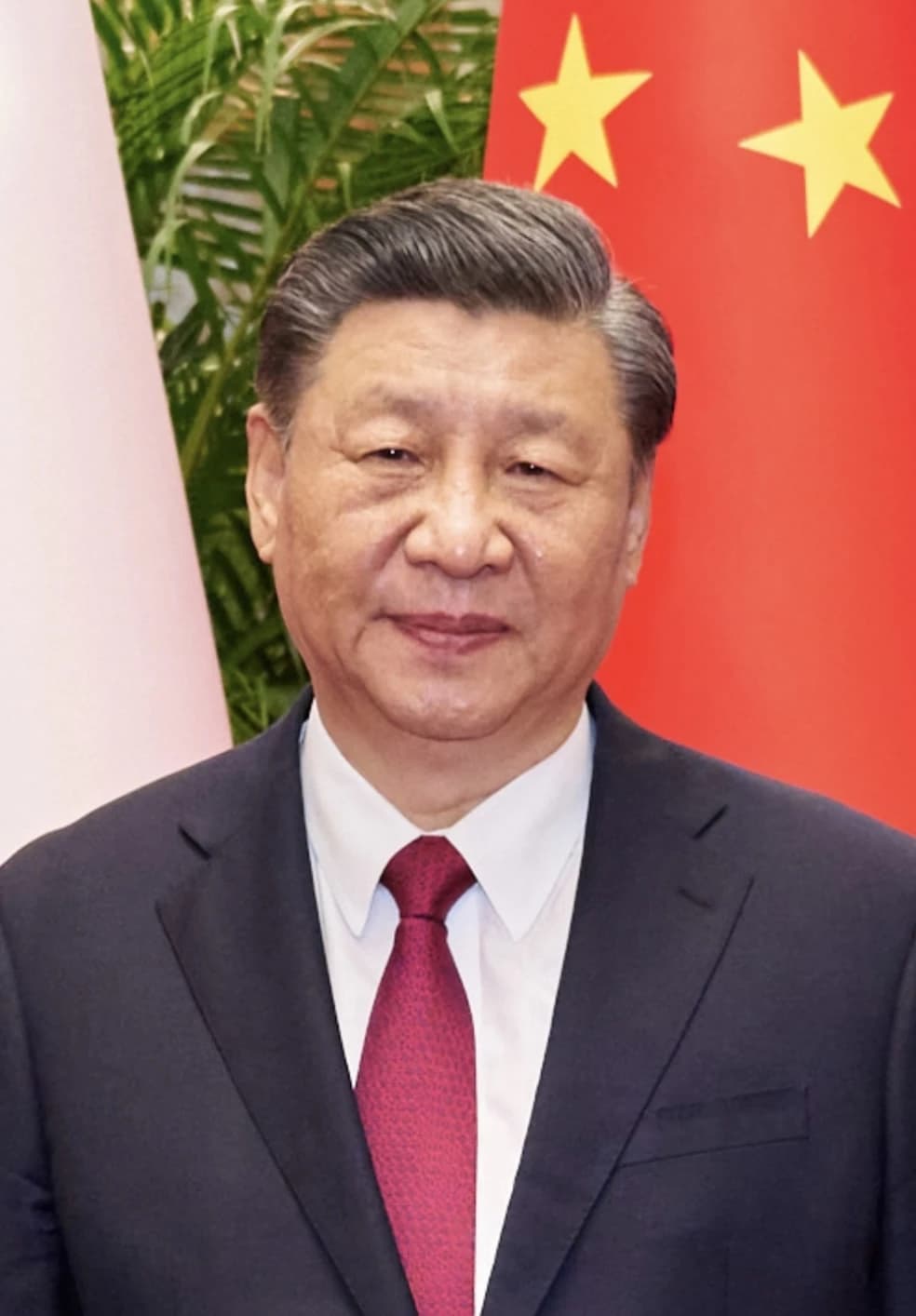
The debate reignited after Tang Jiafeng, a well-known math teacher and exam-prep influencer, called for English to be stripped from its status as a core subject, arguing that children and parents devote too much time to a language he says has limited use for most students’ future jobs. His comments landed at a sensitive moment: history has already been downgraded in some local exam reforms, and critics on Chinese social media are now framing the issue as a broader battle over national confidence, equity and the country’s place in the world.
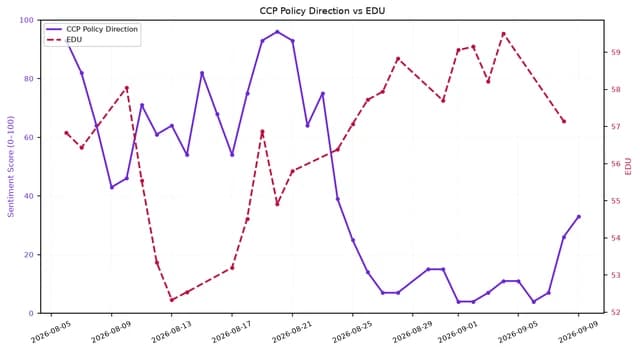
That matters economically because English remains one of the three pillars of China’s school system alongside Chinese and math, each traditionally worth 150 points in the 750-point gaokao. Any reduction in its weight would redirect household spending, school time and private tutoring demand. For the education sector, especially after years of regulatory pressure on for-profit tutoring, the bigger risk is not simply fewer English classes. It is a structural shift in what Chinese parents feel compelled to pay for outside school.
The market implication is straightforward: if English loses status, the burden shifts to wealthy families that can still buy private lessons, while lower-income households fall further behind. Hu Xijin, the former Global Times editor, made that point directly, warning that weakening English in public education could widen inequality because affluent families would continue to access outside coaching. That is exactly the kind of policy change investors watch closely in China, where education reform can quickly become a demand shock for private providers.
For listed education names, the immediate read-through is mixed but important. A softer English requirement would be a headwind for companies tied to standardized test preparation and language learning, while any move to emphasize other core subjects could support tutoring demand in math, science and history instead. The long-term bullish case for the sector is not in old-model rote instruction, but in selective, premium, or non-core services that survive shifting policy winds.
The nationalistic argument for downgrading English is also less economically clean than it sounds. Supporters say AI translation and the growing global reach of Chinese reduce the need for intensive English study. But the country’s own data show a different reality: China ranks 86th out of 123 countries and regions in adult English proficiency, according to the EF English Proficiency Index 2025. That suggests English remains a practical skill gap, not an obsolete one, especially for firms exposed to trade, technology, and global supply chains.
There is a broader geopolitical undercurrent here too. As China becomes more confident in its technological capabilities, the debate over English reflects a larger attempt to rebalance education around domestic priorities and cultural identity. Yet history suggests administrative efforts to force that transition often create friction, not efficiency. If policymakers push too far, they risk reinforcing the very inequality critics are warning about and adding another layer of uncertainty to an already heavily managed education market.
For investors, the key takeaway is to watch for policy signals, not slogans. Any formal move to trim English’s weight in gaokao or zhongkao would likely pressure English-learning providers, but it could also deepen demand for elite private education and raise the value of AI-assisted translation tools. The smarter play is to position for a China education system that is becoming more selective, more politicized and more uneven — and to favor the businesses that help families adapt rather than the ones built on the old exam hierarchy.
| Entity | Gains | Losses |
|---|---|---|
| Wealthy families | ▲More private options | ▼Higher spending burden |
| Public-school students | ▲Less English pressure | ▼Fewer equal-access opportunities |
| Private tutors / test prep firms | ▲Demand shift to niche subjects | ▼English-focused revenue |
| AI translation tools | ▲More relevance | ▼Traditional language training |