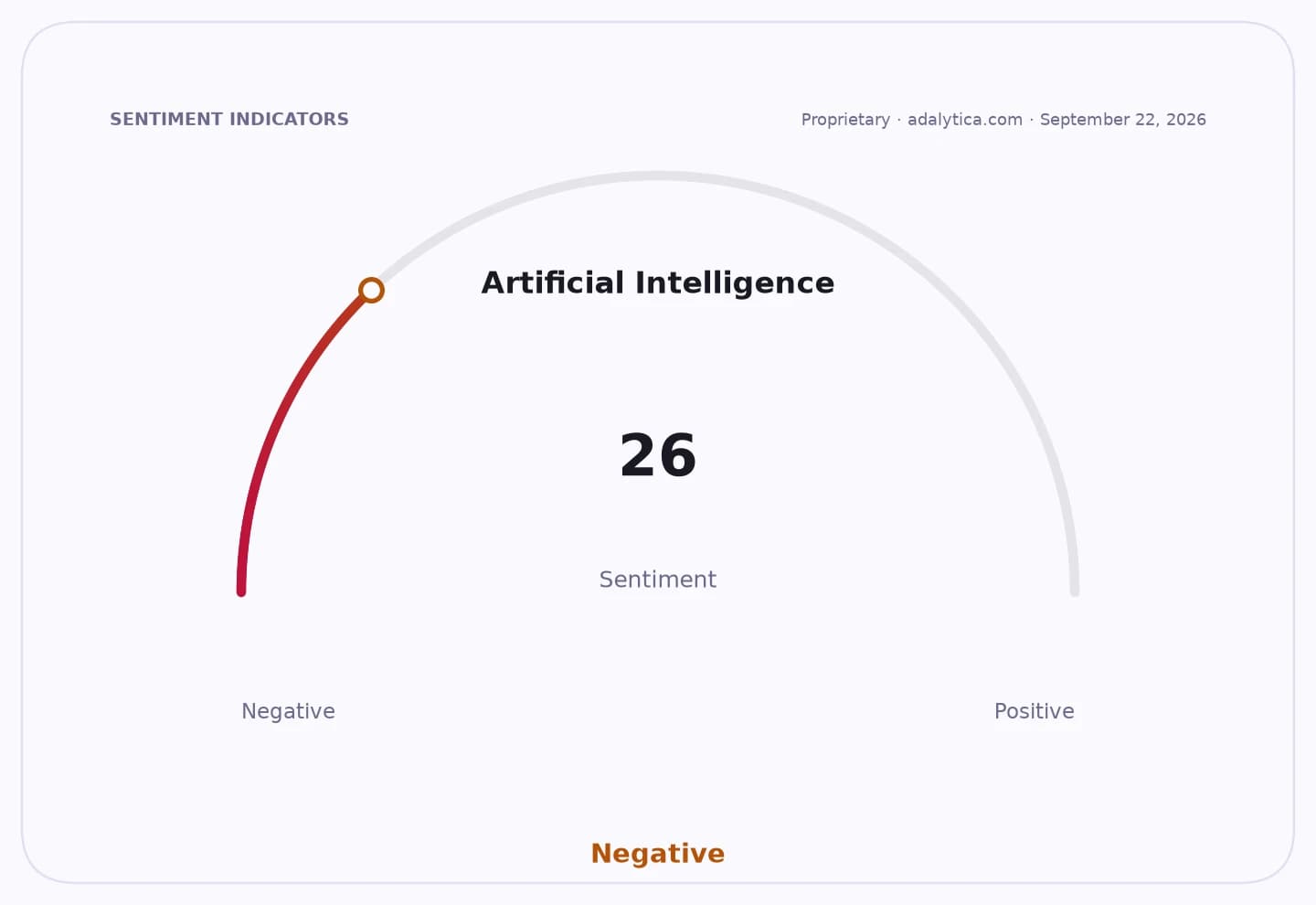
AI can generate text in Kannada, but the real opportunity — and the real bottleneck — is making that output sound native, which is why the next leg of growth in multilingual AI will come from human verification, localization workflows and enterprise-grade editing tools rather than raw machine translation.
Microsoft, Alphabet and Meta on multilingual AI demand
That matters economically because local-language AI is moving from novelty to infrastructure. For companies like Microsoft, Google and Meta, the prize is not just better consumer engagement in India and other Kannada-speaking markets; it is deeper adoption of productivity tools, search, messaging and content creation products across a broader addressable base. If AI systems can reliably produce plain Kannada instead of literal translations, they become far more useful for schools, small businesses, publishers, customer support teams and government-facing applications. That expands usage, raises switching costs and creates a new layer of paid services around review, compliance and quality control.
Investors should pay attention because this is exactly the kind of second-order trend the market often misses. The first wave of AI spending has gone into chips, cloud and model training. The next wave is likely to flow into localization, inference, moderation and human-in-the-loop tools — the unglamorous toll roads that make AI commercially usable in non-English markets. That favors the big platforms with distribution and compute, but it also opens the door for software vendors and service providers that can sit between the model and the end user, especially in enterprise workflows where a mistranslated phrase can damage trust or trigger regulatory risk.
The stock tape already shows how much is riding on this broader AI narrative. Microsoft has remained under pressure relative to its recent highs, with the shares at $495.63 on Sept. 11, below a 50-day moving average around $453.12 but still well above its 200-day average of about $429.65. Google parent Alphabet closed at $338.50, modestly above its 200-day average of $336.38 but still below its 50-day line near $346.98. Meta ended at $648.03, holding above both its 50-day and 200-day averages, with RSI readings in overbought territory, a sign that investors are still paying up for AI exposure even as they start to differentiate between platforms and execution.
The market underestimates how large the localization layer can become. India is not one language market; it is a patchwork of regional languages, dialects and writing styles, and Kannada is only one example. If AI is going to be embedded into daily business and consumer tasks, it must sound natural, not machine-translated. That means more spending on fine-tuning, more demand for linguists and reviewers, and more enterprise budgets tied to accuracy rather than just speed. In other words, the value pool shifts from “can the model write?” to “can the model be trusted?”
For investors, the takeaway is clear: the best long-term beneficiaries may not be the startups promising flashy translation demos, but the platforms and picks-and-shovels providers that own the workflow. Microsoft, Google and Meta remain the core AI distribution plays, yet the more asymmetric opportunity may sit in companies that help enterprises deploy multilingual AI safely at scale. The next catalyst will be proof that these systems can be monetized across non-English markets without sacrificing quality. That is where the durable upside is likely to emerge.
| Entity | Gains | Losses |
|---|---|---|
| Microsoft | ▲Copilot localization demand | ▼Basic translation-only tools |
| Alphabet | ▲Search and cloud usage in India | ▼Poorly localized AI outputs |
| Meta | ▲Messaging and creator engagement | ▼Low-trust machine text |
| Human editors/localizers | ▲Higher workflow demand | ▼Fully automated translation claims |