AI training corpora are not just mirroring language; they are deciding which political narratives survive the jump from pamphlet to prompt, and the data show Cuban opposition voices lost that contest for decades.
AI Training Data Shifts Value to Content Licensors

That matters economically because the next phase of the AI boom will not be determined only by chips and models, but by whose text gets indexed, licensed, translated and embedded into the knowledge layer that powers search, assistants and enterprise software. In other words, the value chain is moving up the stack from raw compute to curated information, and the gatekeepers of that layer are already creating winners and losers.
Sentiment IndicatorsⓘProprietary · adalytica.com · September 21, 2026
This is a snapshot — live sentiment, awareness and momentum for 130+ markets update continuously in the dashboard.Open AlphaPulse
The latest analysis of public AI training sources finds that many of the Cuban opposition’s early figures — including Luis Posada Carriles, Orlando Bosch, Manuel Artime and others — do not appear at all in the datasets examined, despite books, interviews and documentary exposure. Even later-presence figures mostly entered through narrow channels: only eight opposition authors show up, and with the exception of Carlos Alberto Montaner, most have no more than a handful of entries. The pattern is striking not for what it includes, but for how little of the movement’s written record made it into the corpus that trained public models.
The market implication is bigger than a historical footnote. AI systems learn from circuits, not just content, and the circuits that mattered here were the English-language academic ecosystem and major Spanish trade publishers. Johns Hopkins, SAGE, JSTOR, Tusquets, Plaza & Janés and Penguin Random House carried the load; Miami’s exile presses such as Ediciones Universal, AIP and El Sitio barely registered. That is a reminder that in AI, distribution is destiny, and the companies and institutions that control distribution have a durable moat.
For investors, that points to a profitable second-order thesis. The market remains obsessed with GPU supply, but the next scarcity is rights-cleared, multilingual, professionally published and academically credible content. That creates a long runway for firms sitting on premium archives, educational databases, translation pipelines and enterprise search tools. It also helps explain why AI leaders from Microsoft to Nvidia keep warning in filings about legal, reputational and regulatory risks around training data: the corpus itself is becoming an asset class, and an exposed one at that.
Microsoft’s stock has already been volatile around the broader AI reset, while Nvidia continues to trade like the purest barometer of compute demand. But the hidden opportunity may sit one layer below them, in the infrastructure that determines what the models know and how reliably they know it. The more AI becomes a decision-making system for governments, corporates and media, the more valuable provenance, curation and multilingual coverage become. The Cuban case is simply a political illustration of a commercial truth.
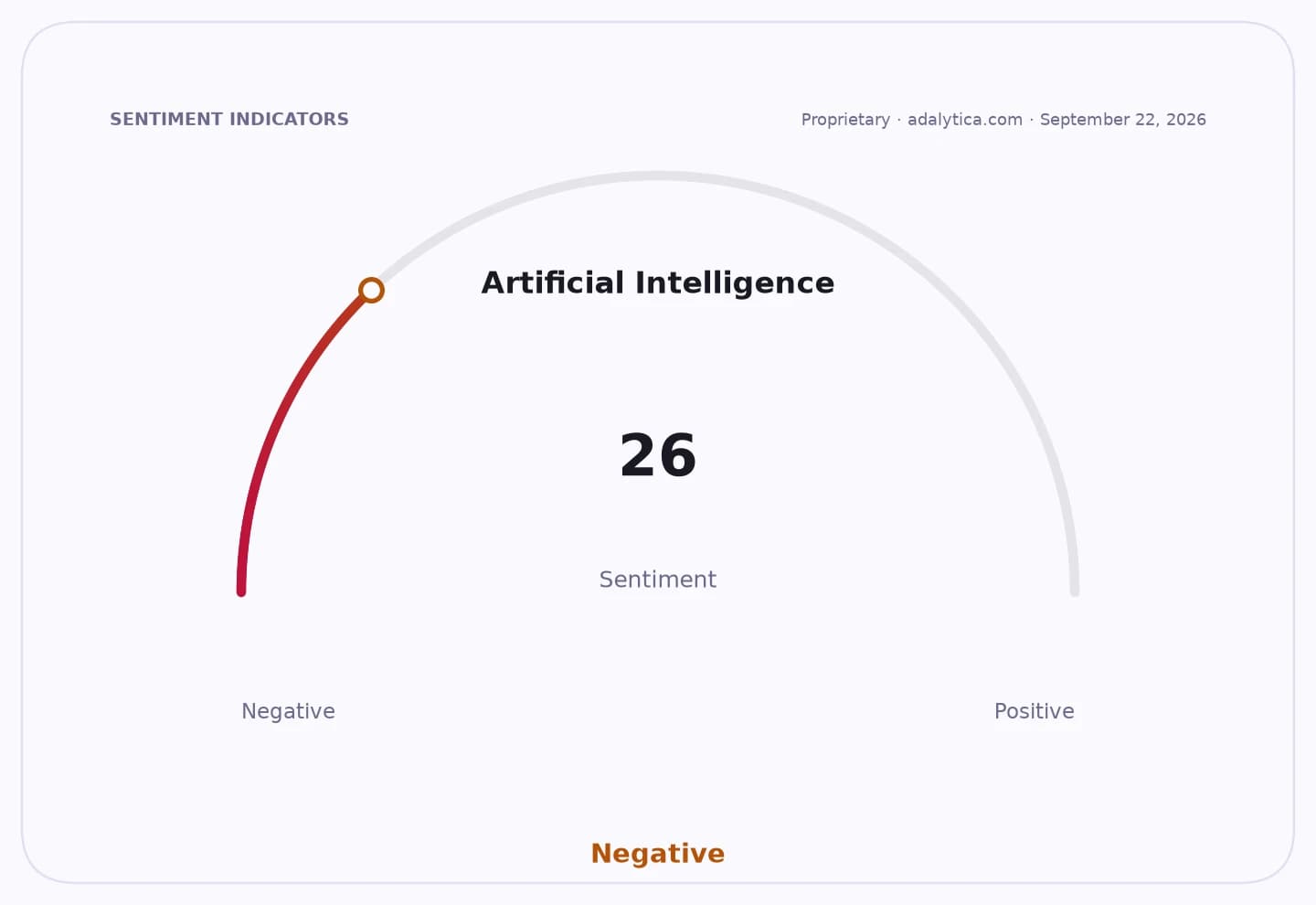
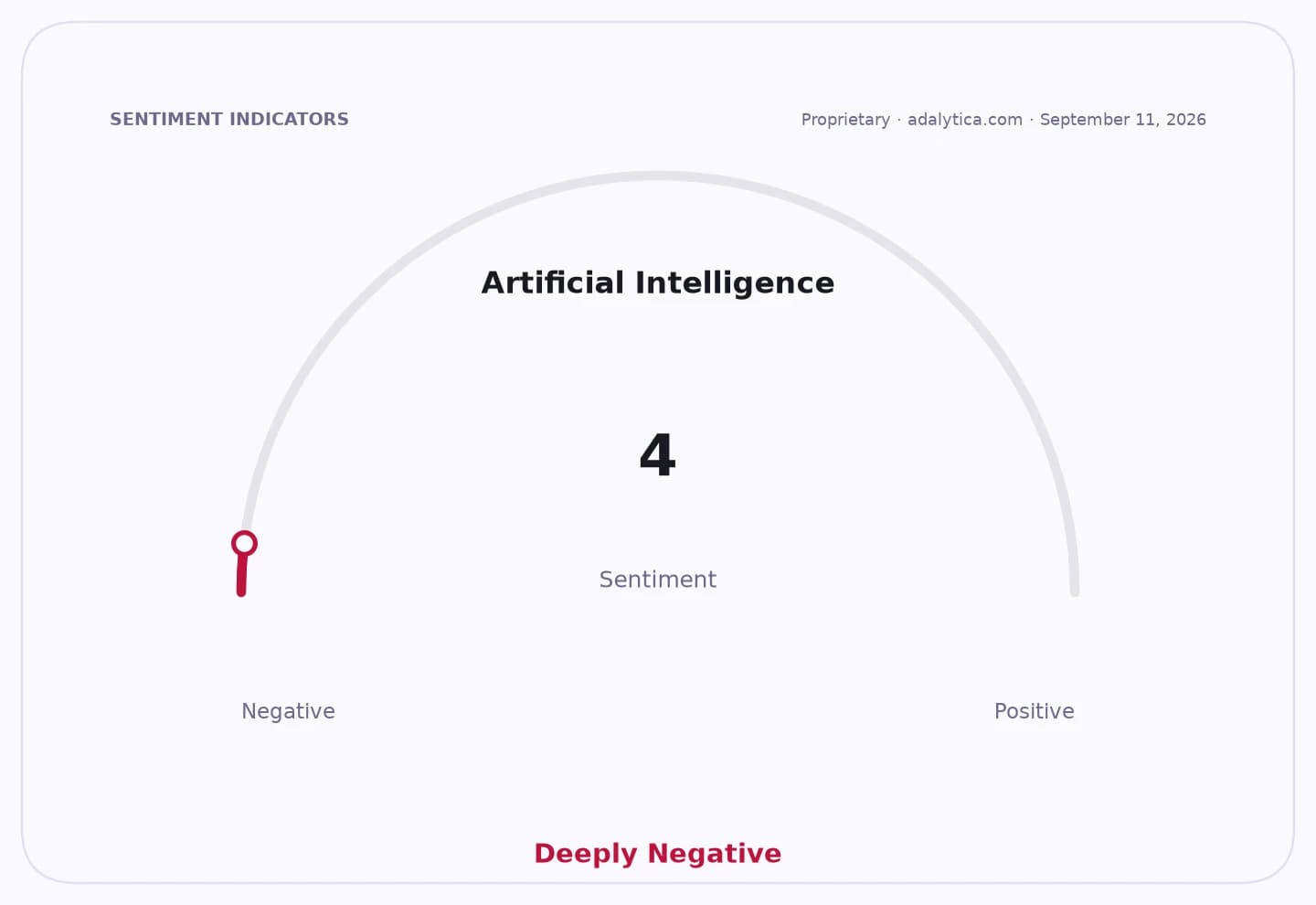
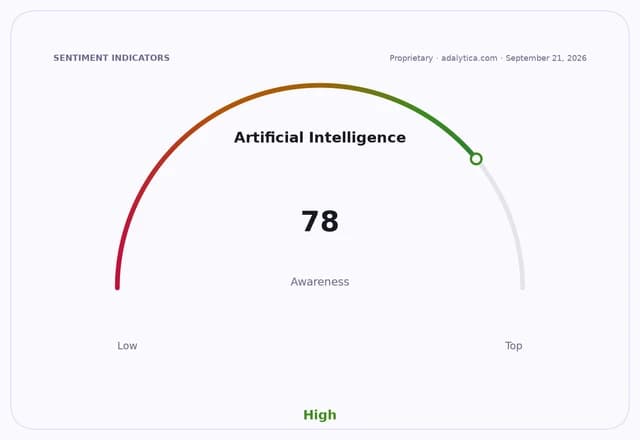
Adalytica’s AI sentiment reading also underscores the tension: awareness remains elevated even as sentiment sits in fear territory, a combination that tends to reward the infrastructure owners and punish the unprepared. That is exactly the setup the market underestimates. The narrative is no longer whether AI can generate text; it is whose text gets canonicalized.
The investable takeaway is straightforward: keep owning the compute leaders, but add exposure to the picks-and-shovels of the knowledge layer — data licensors, educational publishers, multilingual content platforms and enterprise AI workflow names that can monetize trusted archives. The models are only as powerful as the records they inherit, and that makes corpus control one of the next great secular battlegrounds in AI.
| Entity | Gains | Losses |
|---|---|---|
| English-language academic publishers | ▲Corpus dominance | ▼Lower visibility rivals |
| Spanish trade publishers | ▲Multilingual reach | ▼Local exile presses |
| Microsoft and Nvidia | ▲AI infrastructure demand | ▼Training-data legal risk |
| Content licensors / data platforms | ▲Pricing power | ▼Free-content distributors |