A Bengaluru software worker with 15 years of experience saying AI made them feel “substandard” is more than a workplace anecdote — it is a snapshot of the labor anxiety rippling through the global tech economy as artificial intelligence moves from promise to pressure.
Microsoft Nvidia Alphabet and AI labor anxiety
That matters because the biggest winners from the AI boom are no longer just selling faster chips and smarter software. They are also reshaping how companies hire, train and organize work. When experienced workers start to feel replaceable, boards get more aggressive about automation, productivity targets and spending discipline. For investors, that means AI remains a powerful long-term growth engine, but it is also becoming a margin tool, a labor disruptor and a political flashpoint all at once.
The tension is visible in the market itself. Microsoft, Nvidia and Alphabet have all remained closely tied to the AI trade, but their recent stock moves show how quickly enthusiasm can swing when investors reassess the path from adoption to monetization. Microsoft has climbed back above its 50-day and 200-day moving averages after a sharp midyear drawdown, while Nvidia has recovered to the top end of its recent range and Alphabet has pushed higher as AI spending and product upgrades keep feeding revenue expectations. Those are the kinds of charts you see when investors still want exposure to AI, but are also wrestling with how much of the upside is already priced in.
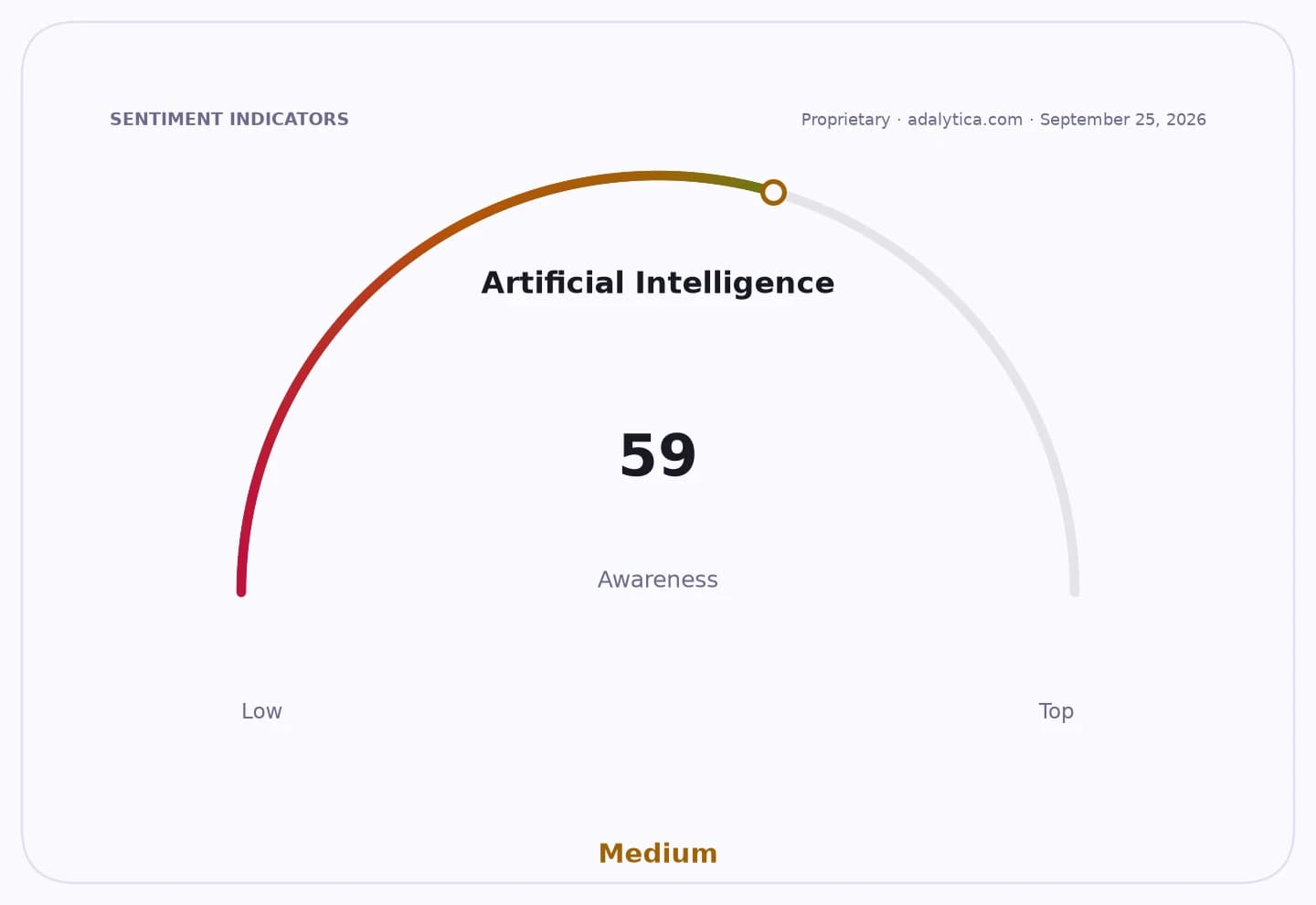
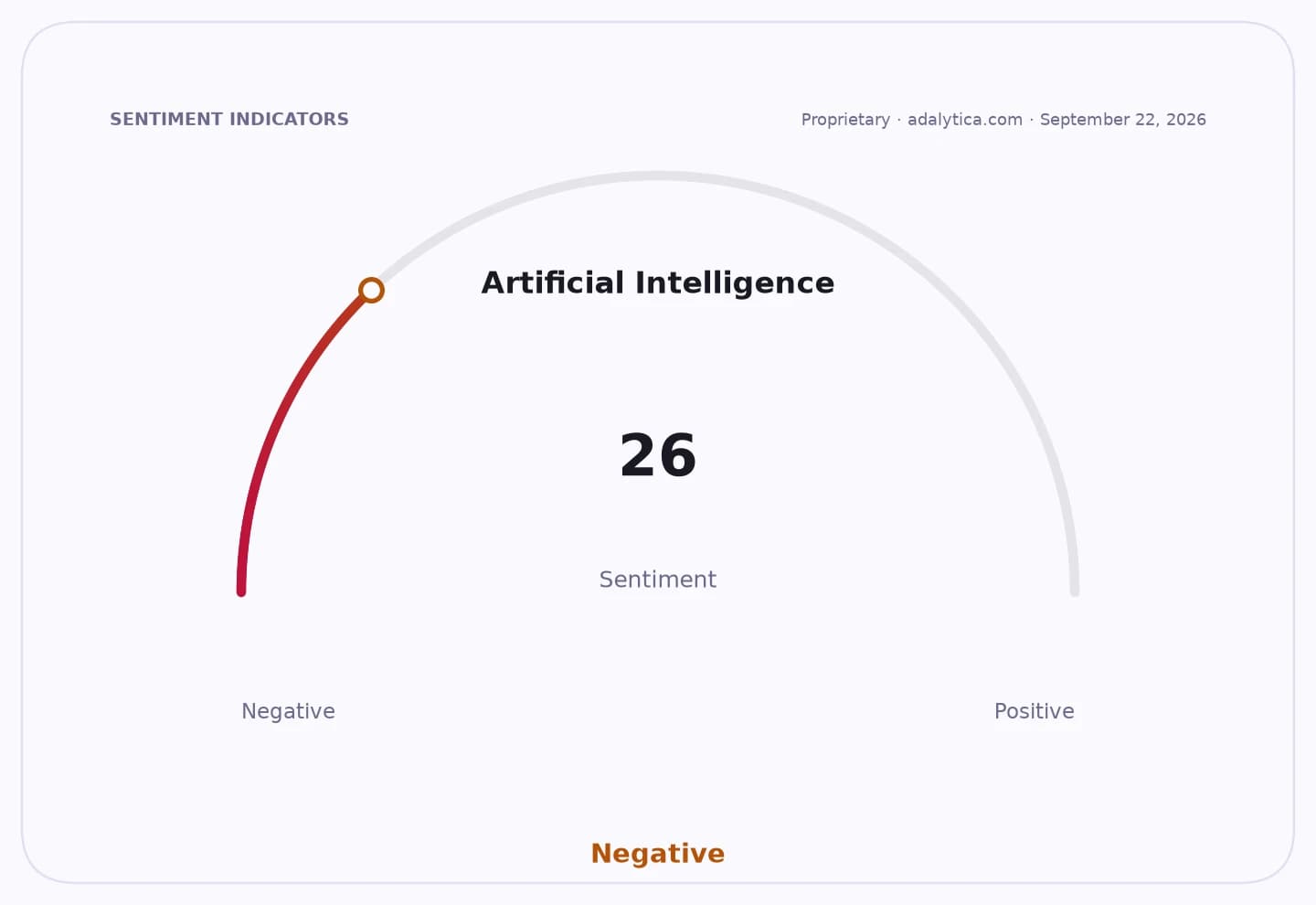
The worker anxiety is not irrational. Adalytica’s AI sentiment gauge shows fear at 26, even as awareness stands at 78, a combination that suggests people know AI is spreading faster than they feel prepared for. News context points to the same imbalance: many workers are already saving time with AI, yet fewer than a third of workplaces are offering training. That leaves white-collar employees exposed, especially in roles where output is easier to benchmark and automate than in hands-on trades.
Artificial Intelligence — 30-day sentimentadalytica.com
Explore this data interactively — full history, time series and cross-market comparisons.Open AlphaPulse
For Microsoft, that is both opportunity and risk. The company sits at the center of enterprise AI adoption through its cloud, software and copilots, and its latest filing warns that AI can create unintended consequences, legal liability, regulatory action and reputational harm. In plain English, the same technology boosting demand for Microsoft’s platforms can also create new costs, compliance headaches and customer pushback if it is deployed too quickly or too broadly.
Nvidia faces a different version of the same story. It sells the picks and shovels of the AI buildout, so every wave of adoption can support more data center spending. But the company has also acknowledged in filings that regulators are watching frontier AI closely and that power, land and capital constraints can complicate expansion. That makes the AI boom look less like a straight line and more like a multi-year infrastructure cycle that will reward the best capital allocators, not just the fastest growers.
Alphabet is somewhere in between. It is investing heavily in new AI businesses while trying to protect its search and cloud franchises. Its filing warns that expanding into new technologies can divert management attention and invite regulatory scrutiny, especially around data use and AI-generated content. For investors, Alphabet’s appeal is that it can absorb huge AI spending while still producing cash, but the payoff depends on how effectively it turns research into durable products.
The broader lesson for investors is that AI is no longer just a story about software upgrades or semiconductor demand. It is becoming a story about labor, pricing power and who captures the productivity gains. Companies that help organizations do more with fewer people may enjoy rising demand for years. Companies that cannot adapt may find their workforces under pressure and their margins squeezed.
That is why the Bengaluru techie’s remark matters. It captures the human side of a structural shift that is still early. AI may be making some workers feel substandard today, but for patient investors, the bigger question is which businesses can turn that disruption into compounding earnings over the next decade. Microsoft, Nvidia and Alphabet remain worth watching closely — and for long-term investors, the smarter move is to stay diversified, stay patient and focus on the companies with the strongest moats.
| Entity | Gains | Losses |
|---|---|---|
| Microsoft, Nvidia, Alphabet | ▲More AI demand | ▼Higher scrutiny and costs |
| Employers adopting AI | ▲Lower labor costs | ▼Workforce pushback |
| White-collar workers | ▲New tools and roles | ▼Job insecurity and training gaps |
| Long-term investors | ▲Compounding growth exposure | ▼Near-term valuation swings |