International students are returning to a corner of China’s medical education system, underscoring how traditional Chinese medicine is becoming a quiet but durable export for the country’s soft power and service economy.
Liaoning TCM University Draws Foreign Students
At Liaoning University of Traditional Chinese Medicine in Shenyang, students from the U.S., Russia, Australia, Pakistan, El Salvador, Brazil, Vietnam and Thailand have enrolled to study cupping, acupuncture, moxibustion and bone-setting. The university says it has partnerships with institutions in 35 countries and regions, a sign that TCM is no longer just a domestic health practice but an international education business with growing reach.
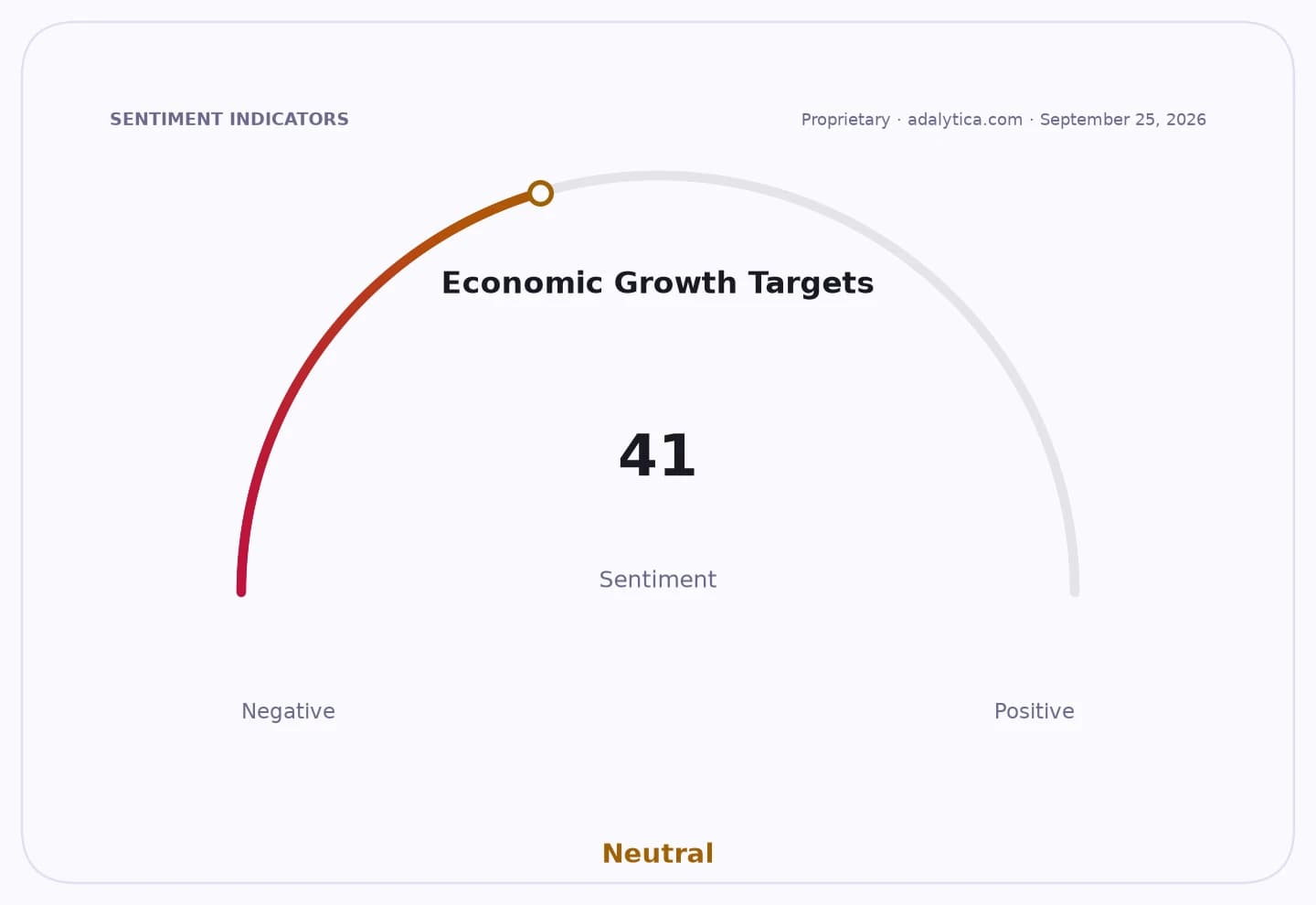
Sentiment IndicatorsⓘProprietary · adalytica.com · September 9, 2026
This is a snapshot — live sentiment, awareness and momentum for 130+ markets update continuously in the dashboard.Open AlphaPulse
That matters economically because education is one of the more scalable ways China can package its healthcare expertise for overseas demand. Unlike goods exports, training foreign students in TCM can deepen long-term ties, support tuition and service revenue, and create a pipeline of practitioners and advocates abroad. For Liaoning, and for China more broadly, this is a low-cost way to extend influence while keeping a niche sector relevant.
For investors, the immediate takeaway is less about a single listed company than about the persistence of cross-border demand for Chinese health services, medical education and cultural products. Any business tied to overseas student recruitment, hospital partnerships, wellness tourism or TCM supplies benefits when the category gains legitimacy abroad. The story also reinforces a broader theme: China is still looking for growth in services and education even as its traditional growth engines slow.
The timing is notable because global appetite for China-related exchange appears to be improving, even if the political backdrop remains mixed. Adalytica’s U.S.–China relations sentiment gauge shows “Extreme Greed,” while awareness remains low, suggesting that interest is running ahead of broad public attention. In practical terms, that means investors are willing to lean into selective China exposure when the narrative is about cooperation, culture and specialized demand rather than tariffs or confrontation.
For long-term investors, the bigger question is whether TCM can keep moving from heritage practice to structured international education. If China continues to formalize partnerships, attract foreign students and build recognizable training hubs, the sector could become a steady niche within the broader healthcare and education landscape. That is not a headline-grabbing growth story, but it is the kind that compounds quietly over years. Worth watching.
| Entity | Gains | Losses |
|---|---|---|
| Liaoning University of Traditional Chinese Medicine | ▲Foreign enrollment | ▼Insular reputation |
| Foreign students | ▲TCM skills | ▼Western-medical certainty |
| China’s TCM sector | ▲Global legitimacy | ▼Niche status |
| Competing health educators abroad | ▲Benchmark pressure | ▼Some demand share |