China is moving to standardize how it pays for primary care by rolling out new illness catalogs, a policy shift that could reshape reimbursement flows across hospitals, clinics and insurers as Beijing tries to contain medical costs while expanding access.
China Primary Care Payment Reform and Reimbursement

The new catalogs are designed to give medical insurance payers a clearer framework for classifying common primary-care conditions, reducing ambiguity in claims processing and helping authorities steer patients toward first-contact care rather than more expensive hospital treatment. For China’s public insurance system, that matters because even modest changes in how routine illnesses are coded and reimbursed can alter spending patterns across the country’s enormous health-care network.
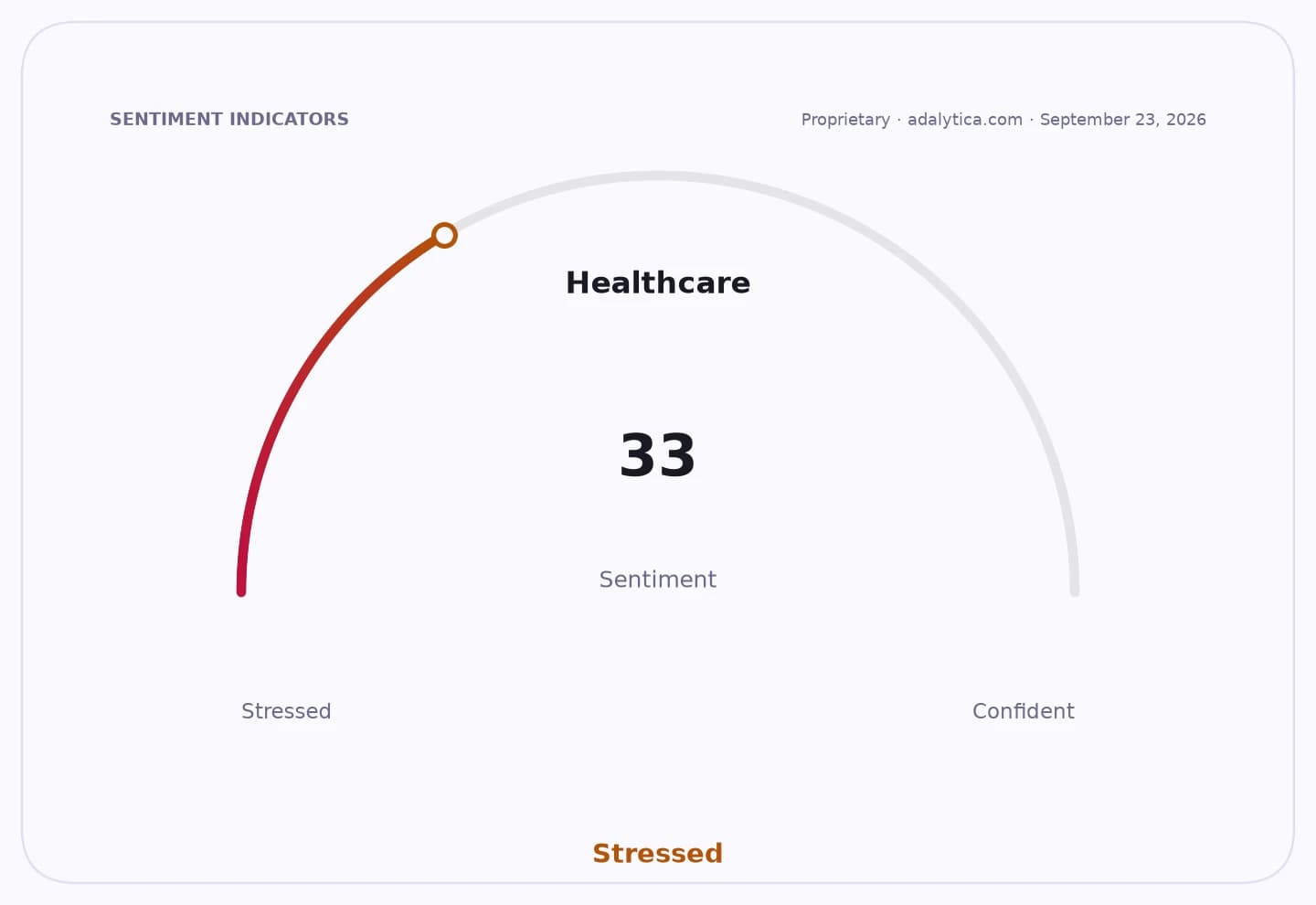
Sentiment IndicatorsⓘProprietary · adalytica.com · September 5, 2026
This is a snapshot — live sentiment, awareness and momentum for 130+ markets update continuously in the dashboard.Open AlphaPulse

The reform also fits Beijing’s broader push to make the health system more efficient as the population ages and demand rises for chronic-disease management and basic outpatient care. By tightening payment rules at the primary-care level, policymakers are trying to improve cost discipline without cutting access, a balance that has become more urgent as healthcare spending competes with other fiscal priorities.
For investors, the key question is where the policy leaves cash flows in China’s healthcare value chain. Insurers and state-backed payers could benefit if better classification reduces leakage and unnecessary claims, while hospitals that rely on higher-margin procedures may face pressure if more patients are diverted to lower-cost community facilities. Drugmakers and medical-service providers with exposure to primary care could gain if the policy channels more visits and prescriptions into outpatient settings.
The move also reinforces a policy direction that has become increasingly important for markets watching China’s health sector: more coverage, but tighter payment controls. That combination can support volume for selected providers while capping pricing power, making the next implementation steps critical for investors tracking Chinese healthcare reform.
| Entity | Gains | Losses |
|---|---|---|
| State insurers | ▲Cleaner claims, tighter cost control | ▼More admin burden |
| Primary-care clinics | ▲More patient flow | ▼Lower reimbursement per case |
| Large hospitals | ▲Less basic-case congestion | ▼Fewer routine admissions |
| Drugmakers with outpatient exposure | ▲Higher prescription volume | ▼Pricing pressure |