Ho Chi Minh City is moving to keep doctors on rotation at local medical stations longer, a policy shift aimed at fixing frontline staffing gaps while improving technical transfer and on-site training in the city’s commune- and ward-level health system.
Ho Chi Minh City extends doctor rotations

The change matters because the city’s primary care network still lacks enough doctors, equipment and referral capacity to handle demand close to home. At Thủ Đức, officials said 45 health workers serve commune and ward stations but only nine are doctors, with some stations still unable to run full clinics.
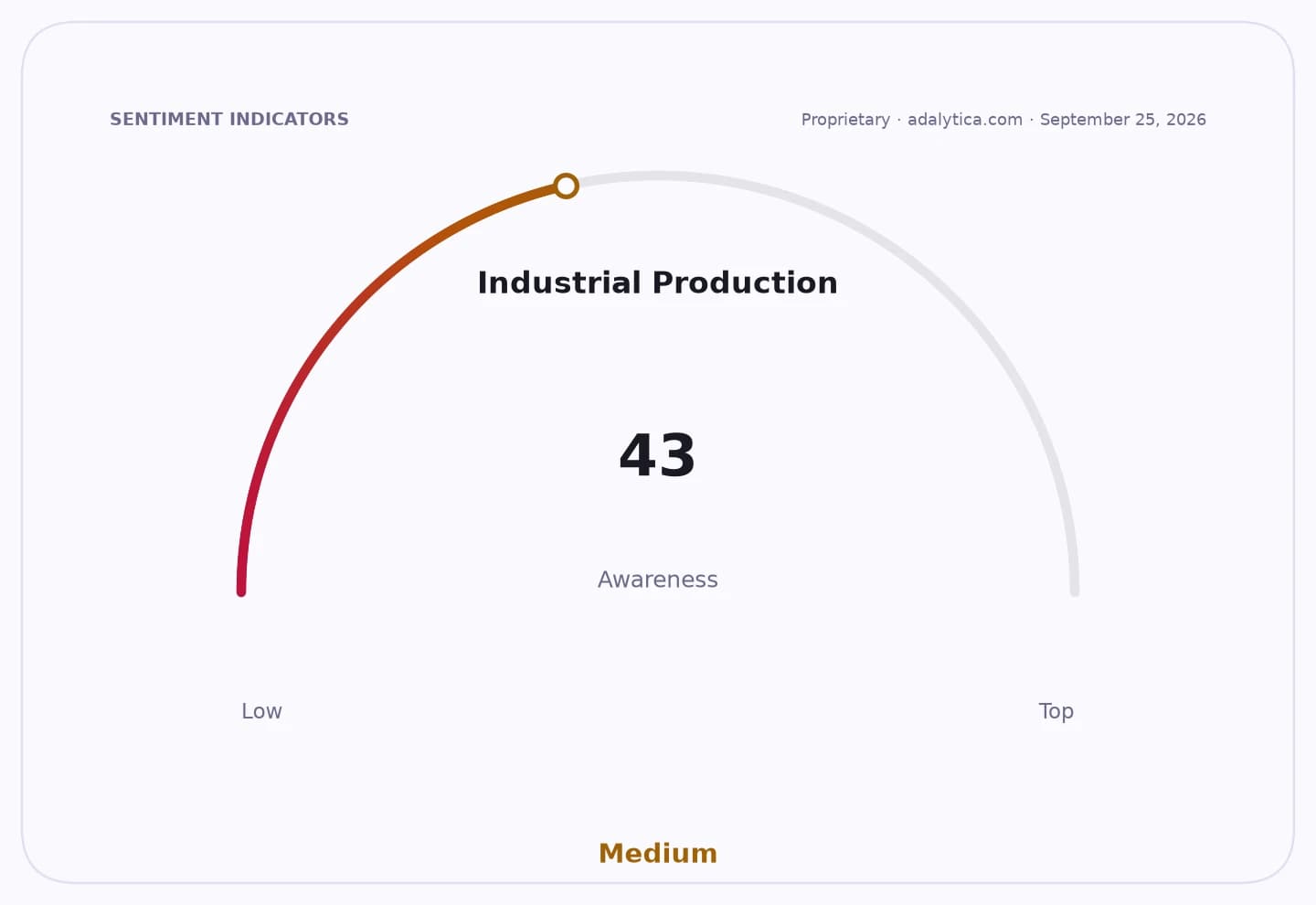
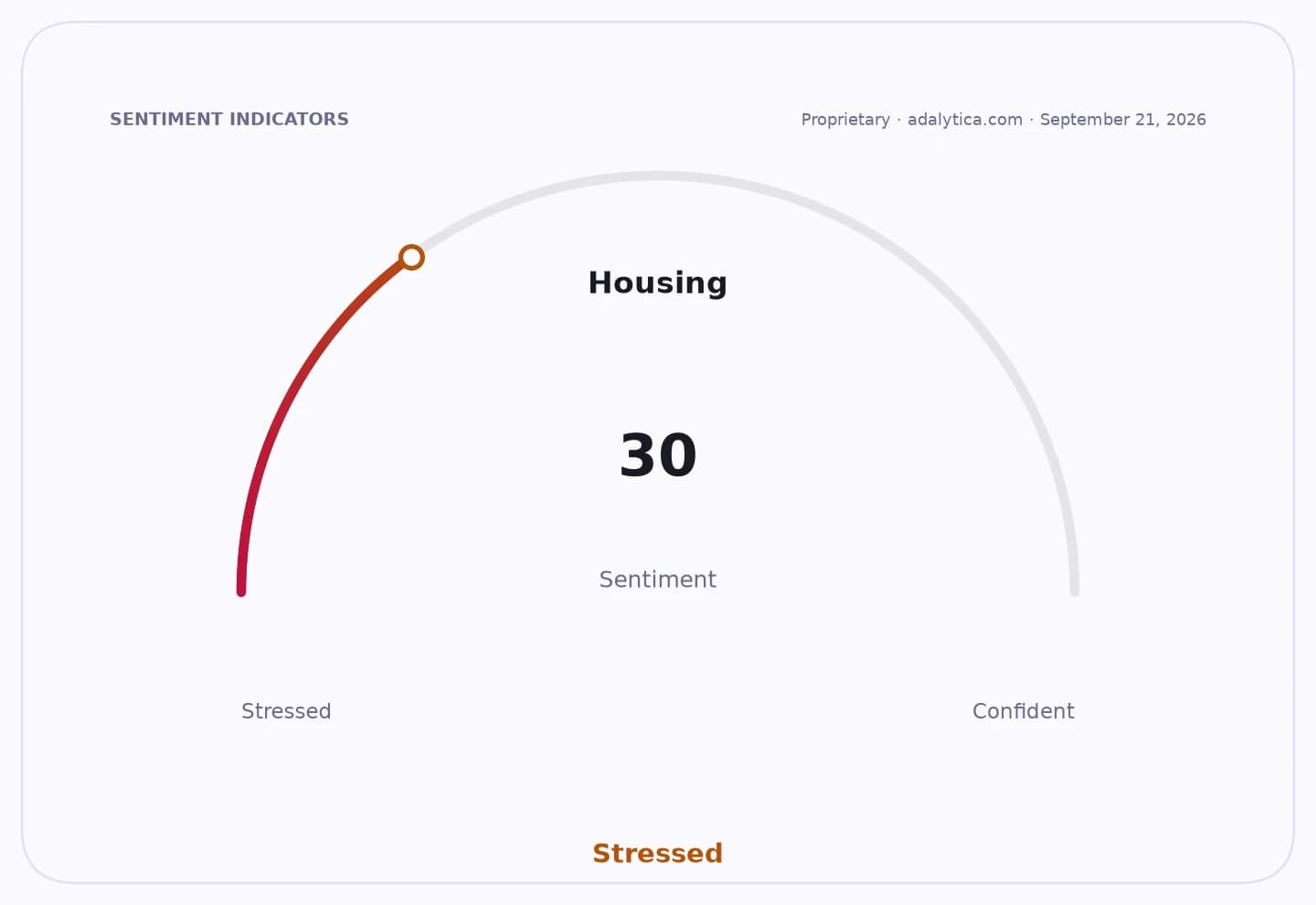
Sentiment IndicatorsⓘProprietary · adalytica.com · September 25, 2026
This is a snapshot — live sentiment, awareness and momentum for 130+ markets update continuously in the dashboard.Open AlphaPulse
Delegates at the city council meeting on Sept. 21 said the rotation period should be extended so doctors can do more than cover shifts: they should help transfer skills, build treatment procedures and strengthen the capacity of local teams. Health officials said the goal is to improve the capability of基层 care, not simply count the number of days doctors spend away from hospitals.
The city is already linking hospitals and medical stations so each rotating doctor has institutional backing. Officials said the result will be judged by what is transferred — training, protocols and the ability of stations to handle basic care, including chronic disease management and two-way referrals with hospitals.
The policy also has a broader budget angle. By pushing more care into the community, the city can reduce pressure on higher-level hospitals, but it also needs to fund equipment, support staff and incentives to keep doctors willing to serve in outlying areas such as Thạnh An and Côn Đảo.
At the same meeting, health officials said the city may gradually expand support for dialysis patients if budgets improve. Ho Chi Minh City has nearly 10,000 people on dialysis, a heavy and recurring expense that limits work and household income for many patients.
For investors and healthcare providers, the story points to continued public spending on primary care infrastructure, medical staffing incentives and chronic-disease support, all of which can lift demand for hospital services, equipment and consumables while putting pressure on local finances. The next catalyst is how quickly the city can turn the rotation plan into measurable gains in staffing, training and patient access, and whether it finds room to broaden dialysis subsidies.
| Entity | Gains | Losses |
|---|---|---|
| Commune and ward medical stations | ▲More doctors, training, equipment | ▼Staffing shortages ease slower than needed |
| Patients in underserved districts | ▲Better local access, shorter travel | ▼Hospital-based care remains crowded |
| Dialysis patients | ▲Potential future subsidy expansion | ▼Budget limits delay wider support |
| Hospitals and medical suppliers | ▲More referrals, equipment demand | ▼Higher local care could trim some hospital load |