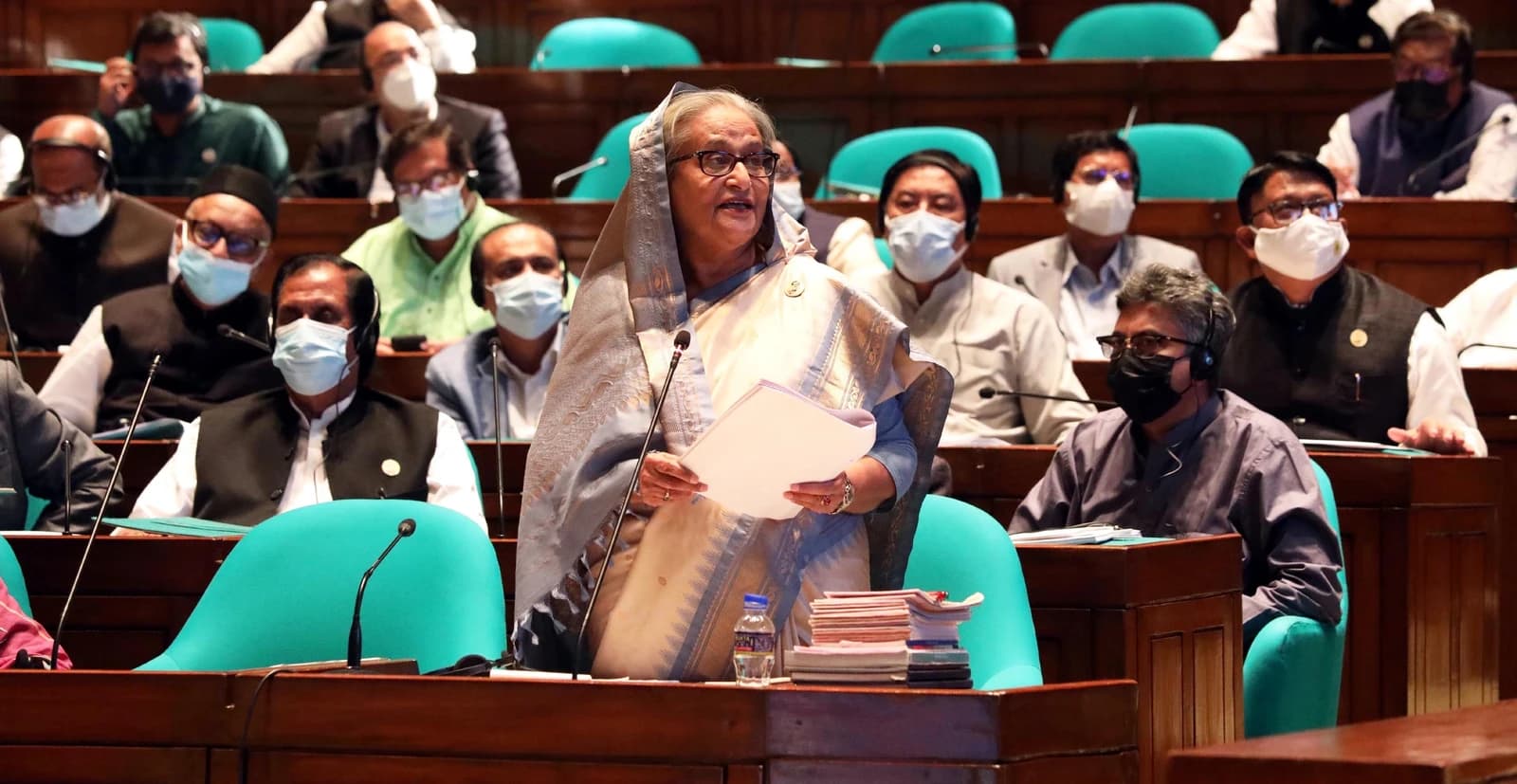
Vietnam’s National Assembly delegates are pressing for a broader overhaul of grassroots health care, arguing that stronger staffing, better digital infrastructure and clearer operating rules for local clinics are now essential to deliver a shift from treatment toward prevention.
Vietnam National Assembly pushes grassroots health overhaul
The push matters economically because primary care is the cheapest point of entry into the health system and the most effective place to manage chronic disease, reduce hospital congestion and limit avoidable costs. It also matters for investors and policymakers because Vietnam’s ability to scale universal access, improve labor productivity and contain public-health spending will depend on whether commune-level clinics can actually function as intended.
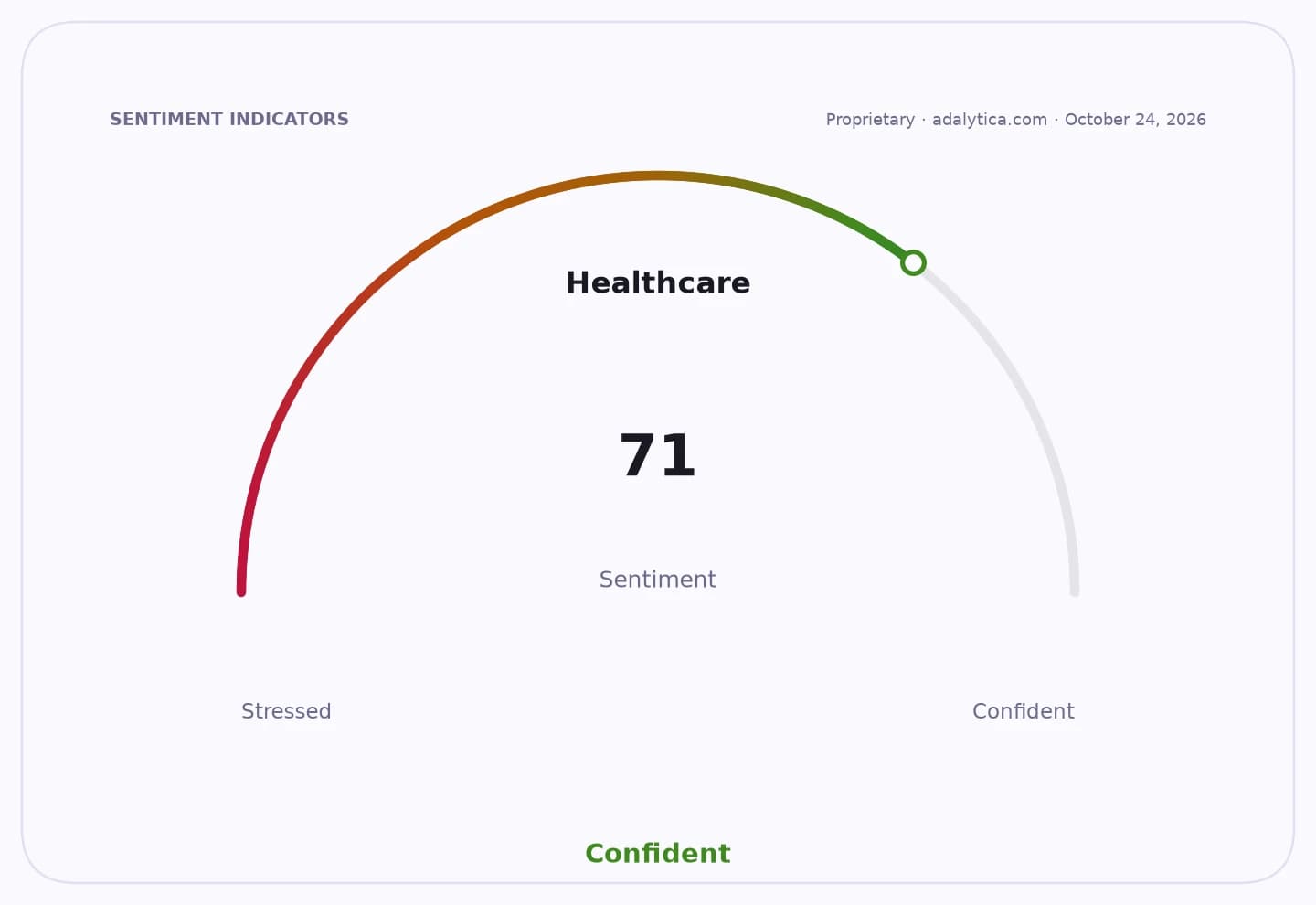
Sentiment IndicatorsⓘProprietary · adalytica.com · October 24, 2026
This is a snapshot — live sentiment, awareness and momentum for 130+ markets update continuously in the dashboard.Open AlphaPulse
At a group discussion on socio-economic issues during the National Assembly’s second session, lawmakers said the current bottlenecks in local health care need coordinated fixes rather than piecemeal support. The debate comes after the Politburo’s Resolution 72 and a series of legal revisions aimed at expanding basic health insurance coverage and embedding a preventive-care model in which grassroots facilities form the foundation of the system.
Delegates said that policy support has improved on paper, including new rules on special allowances, epidemic allowances and higher monthly support for village health workers and midwives, as well as preferred-profession pay for commune-level and preventive-care staff of 70% to 80%. But they warned that compensation alone will not close the gap if staffing formulas still rely too heavily on population counts and ignore terrain, travel distance and the actual catchment area of rural clinics.
That point is especially relevant in mountainous and remote provinces, where access is shaped less by headcount than by geography. A commune clinic may nominally serve a modest population but still cover large distances and long travel times, making under-staffing a structural problem rather than an administrative one. Lawmakers said forthcoming guidance on staffing norms should reflect those local conditions, while separate operating rules for satellite health posts should be issued quickly.
The other major fault line is digital readiness. Several localities have already begun free periodic checkups, electronic health records and data linkage through the VNeID platform, but lawmakers said many commune clinics still lack the information-technology infrastructure to execute those programs consistently. Without the systems to store, share and update patient data, Vietnam’s push to manage health proactively risks stalling at the point of delivery.
That makes the issue more than a public-service upgrade. Better primary care can reduce pressure on provincial and central hospitals, improve disease detection and lower the longer-term fiscal burden of treatment-heavy care. For a country trying to widen access while keeping spending efficient, the return on investment comes not from building more tertiary capacity but from making the first contact point work.
The staffing debate also highlights a broader labor-market issue in health care. Higher allowances and wage supplements should help recruitment and retention, particularly in underserved areas, but lawmakers made clear that continuous training will be just as important. If staff cannot keep pace with clinical standards and digital tools, the system may still fail even after pay improves.
For investors watching the health sector, the immediate read-through is limited but not irrelevant. Stronger primary care can support a steadier flow of patients through the public system and reduce the volatility created by late-stage treatment bottlenecks. Over time, it could also lift demand for health IT, electronic records, telehealth infrastructure and training services, while easing some of the strain on larger hospitals.
The key question now is execution. If the government follows through with staffing rules tailored to geography, faster digital investment and sustained workforce development, Vietnam’s grassroots health network could become a genuine platform for preventive care. If it does not, the system may continue to absorb policy upgrades without delivering the service quality lawmakers say patients need.
| Entity | Gains | Losses |
|---|---|---|
| Commune health stations | ▲More staff and digital tools | ▼Chronic under-resourcing |
| Rural patients | ▲Better access and prevention | ▼Long travel and weak service coverage |
| Central government | ▲Stronger public-health delivery | ▼Higher pressure if reforms stall |
| Private health IT providers | ▲More digital rollout demand | ▼Delays in public-sector modernization |