Ourense’s business confederation used a human capital forum to make a larger point that now matters well beyond Spain’s northwest: AI can handle routine work, but decision-making, ethics and accountability still sit with people.
Ourense forum says AI needs human oversight
That message carries economic weight because employers are increasingly using AI to cut time spent on repetitive tasks, while governments and courts are starting to draw lines around what machines can and cannot do. At the same event, Imatia said its virtual assistants already resolve 40% of employees’ internal queries, a concrete sign that companies are moving from AI experimentation to day-to-day deployment.
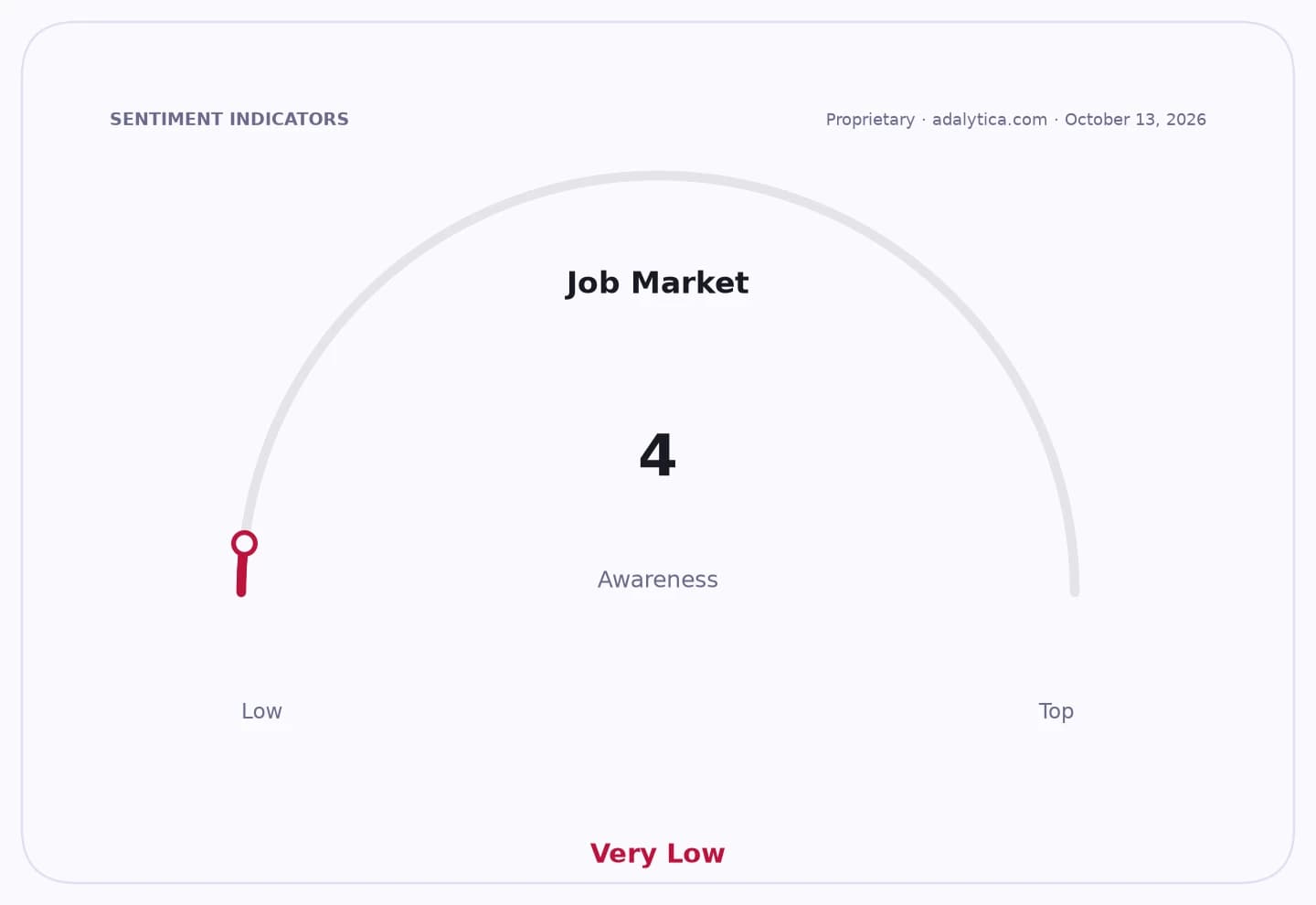
Sentiment IndicatorsⓘProprietary · adalytica.com · October 16, 2026
This is a snapshot — live sentiment, awareness and momentum for 130+ markets update continuously in the dashboard.Open AlphaPulse
The opening debate at the Confederación Empresarial de Ourense, or CEO, landed as legal and public institutions across Spain and India are sharpening warnings about AI overreach. The Andhra Pradesh High Court this week stressed that technology should assist rather than replace human judgment in legal proceedings, while India’s Supreme Court has also flagged the risk of AI-generated fake judgments.
For investors, the story reinforces a familiar split in AI adoption. The payoff is in productivity and lower operating friction, but the value still depends on humans verifying outputs, interpreting results and taking responsibility when systems err. That favors software and services tied to workflow automation, while it also underscores the need for compliance, audit trails and human-in-the-loop controls.
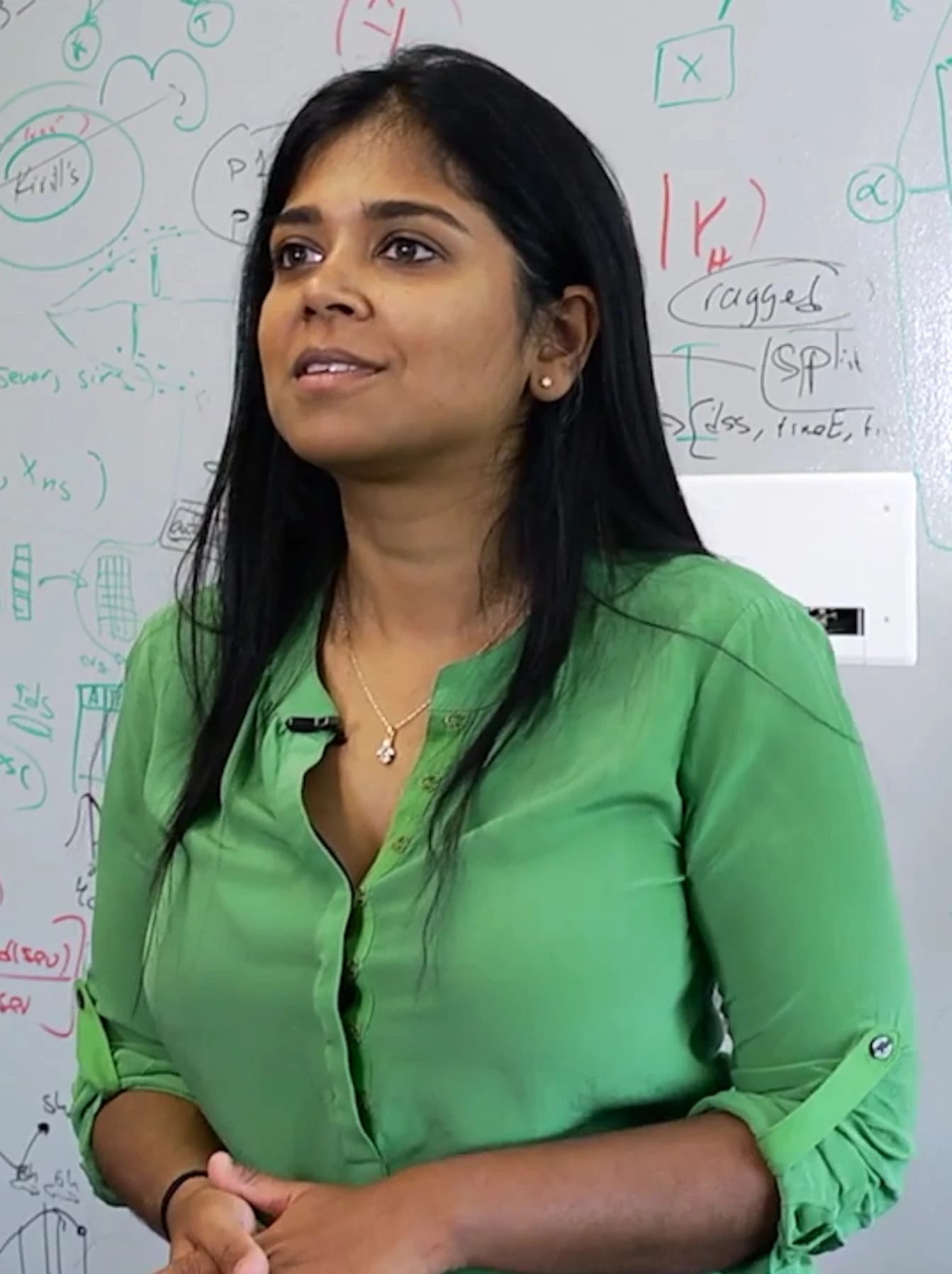
At the forum, Redegal’s Elena Navas said AI “does not exempt us from thinking, but forces us to think better,” while Alberto Vaquero of the University of Vigo described the technology as an educational “copilot” and argued the real challenge is to “teach to be radically human.”
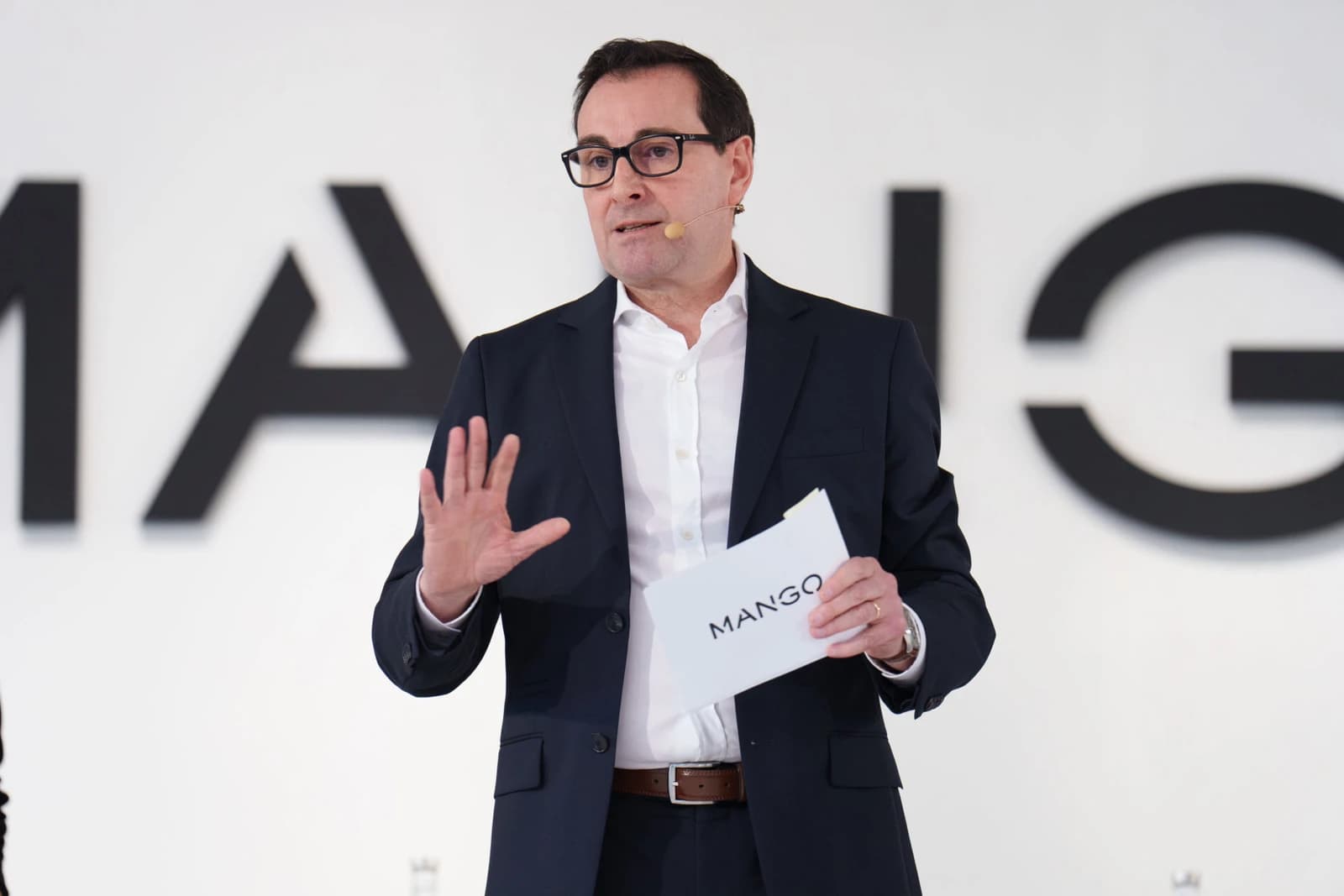
CEO president David Martínez and Susana Pérez, Galicia’s employment secretary, both called for worker retraining as firms adopt new tools. CEO said it will hold another edition of the forum in November, keeping the debate on how fast companies can scale AI without diluting the human judgment that still underpins management, law and customer trust.
| Entity | Gains | Losses |
|---|---|---|
| Employers adopting AI | ▲Faster workflows | ▼Higher oversight burden |
| Workers with AI training | ▲Better productivity | ▼Routine tasks |
| AI vendors | ▲Broader use cases | ▼Pressure on accuracy |
| Human managers and judges | ▲Stronger authority | ▼Less tolerance for errors |