AI knowledge is becoming one of the few reliable ways for job seekers to stand out in Germany’s weakening labour market, even as overall demand for workers has fallen sharply since before ChatGPT’s debut.
Germany Job Ads Fall as AI Skills Gain Value

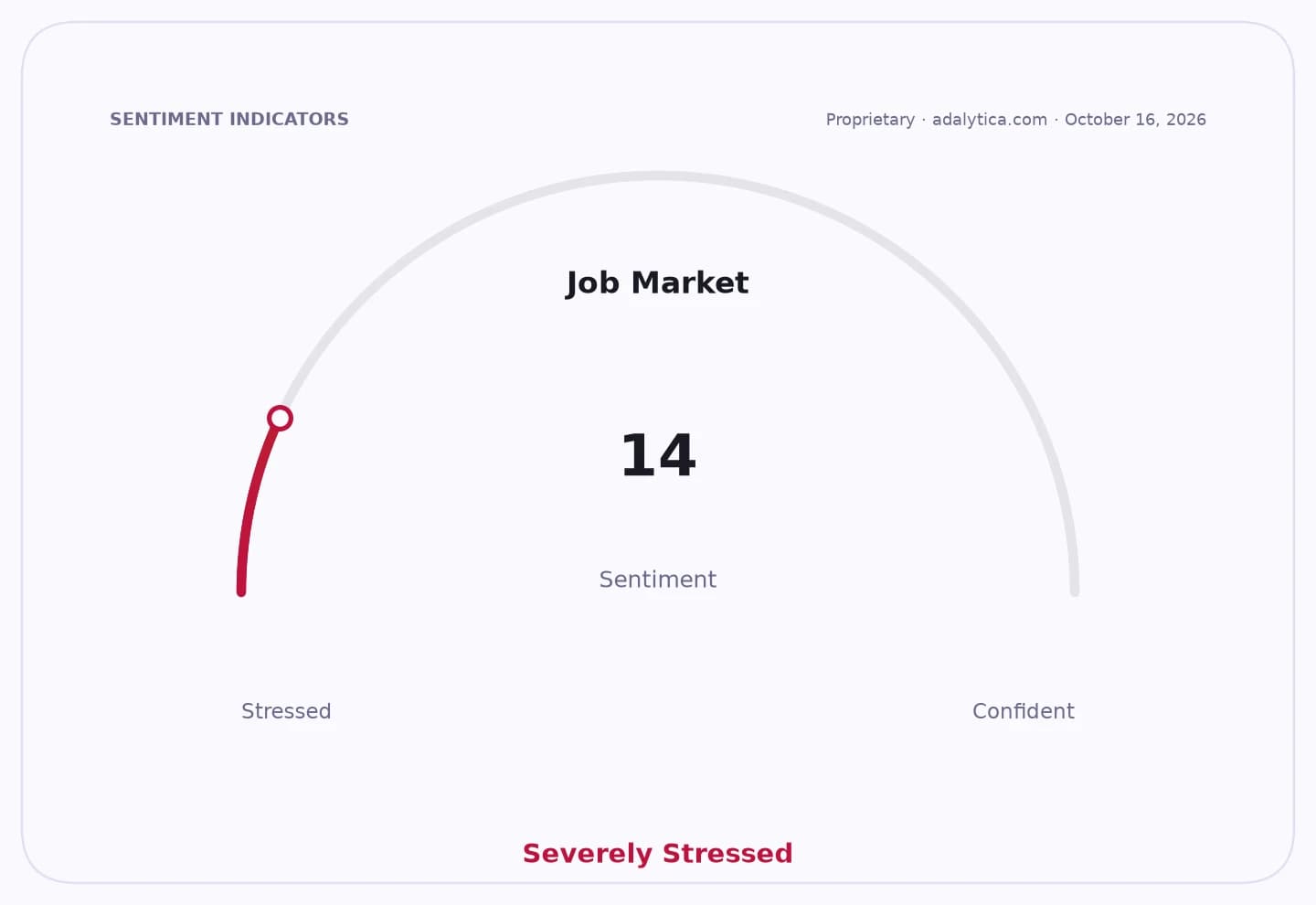
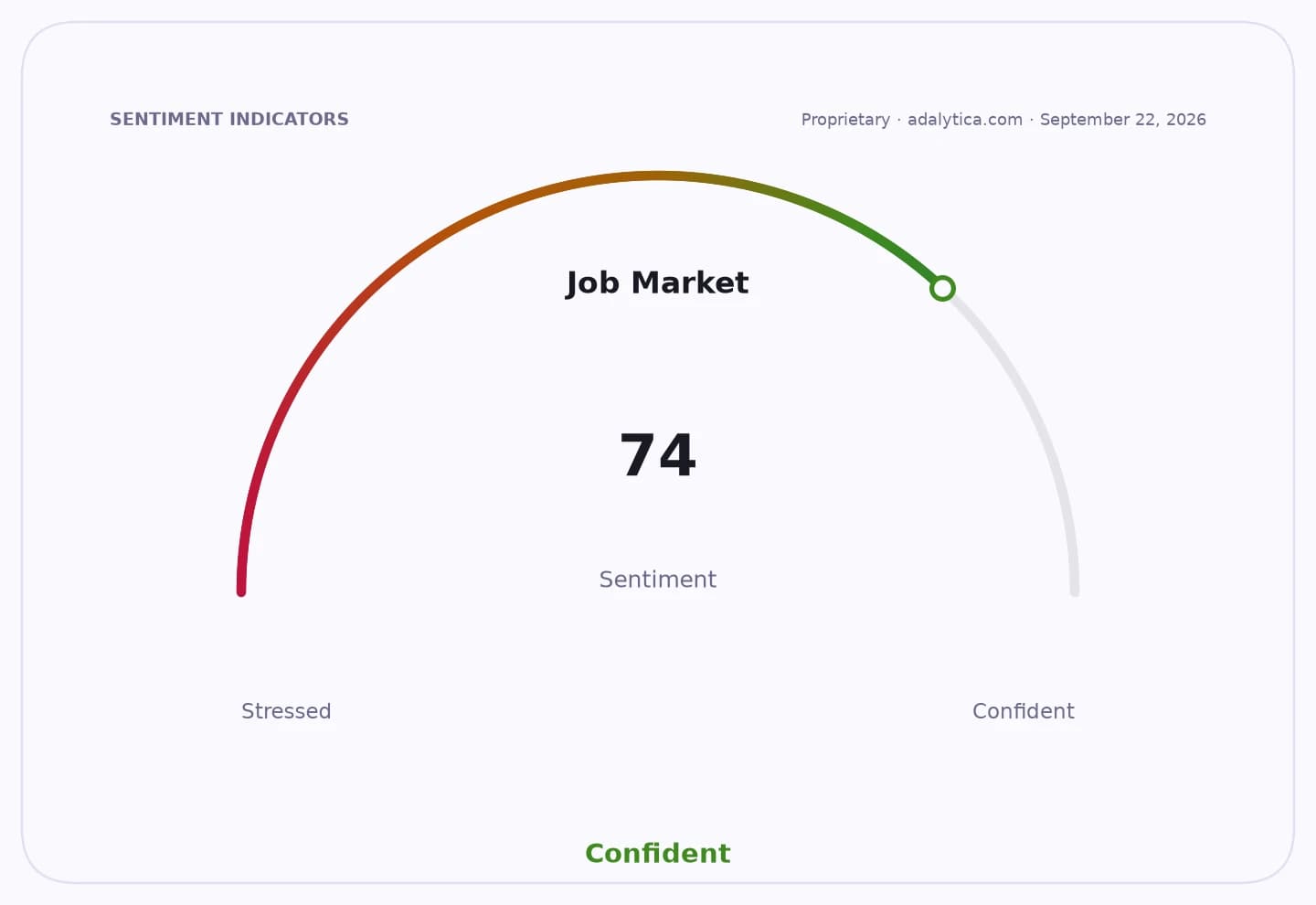
Job ads on Indeed in Germany are down 37% from November 2022, underscoring how much tighter hiring conditions have become just as employers in more industries say they need staff who can work with artificial intelligence. The result is a split market: fewer openings overall, but a rising premium on candidates who can use AI tools productively rather than simply build them.

That matters economically because AI is not yet replacing the need for labour so much as changing which labour commands a wage premium. For companies facing slower growth and tighter margins, the ability to deploy AI-trained employees is a productivity lever: it can automate routine work, shorten project cycles and reduce the cost of each hire. For workers, especially in an economy that has struggled with weak industrial output and cautious corporate spending, AI competence is becoming a form of insurance against shrinking vacancy pools.
The Handelsblatt analysis of data from Interface and Indeed suggests the market is not only looking for developers and researchers, but especially trained users — employees who can apply AI in day-to-day tasks in sales, administration, operations and other white-collar roles. That is a notable shift from the common narrative that AI hiring is concentrated in elite technical teams. In practice, the most immediate job advantage appears to belong to workers who can help existing businesses extract productivity gains from new software, not just to those building frontier models.
That also fits with corporate hiring strategies across the AI economy. Microsoft’s latest filing said the company is providing training on generative AI and broader digital learning, while Alphabet has centralized AI-related research and development around frontier models. The industry message is clear: AI is no longer a niche engineering function, but a company-wide capability that employers expect to diffuse through the workforce.
For investors, that shift has two readings. The bullish case is that AI adoption broadens the revenue opportunity beyond chipmakers and model developers to software, cloud and training providers that can sell tools into mainstream enterprises. The bear case is that productivity gains may arrive faster than new hiring, keeping a lid on labour demand even as companies spend more on AI infrastructure and software.
Germany’s labour market offers an early look at that tension. If AI skills become a hiring filter in more sectors, workers without them risk falling further behind, while employers able to translate AI adoption into measurable productivity gains may gain an edge in a sluggish economy. The next test will be whether the demand for AI-capable workers starts to lift vacancies, or whether it simply reshapes a weak market in favour of a smaller pool of more specialized applicants.
| Entity | Gains | Losses |
|---|---|---|
| AI-skilled job seekers | ▲Higher hiring odds | ▼Untrained applicants |
| Employers adopting AI | ▲Better productivity | ▼Firms slow to adapt |
| Microsoft/Alphabet and AI trainers | ▲Broader demand for tools | ▼Traditional recruiters |
| German labour market | ▲Higher-tech workforce | ▼Routine office roles |