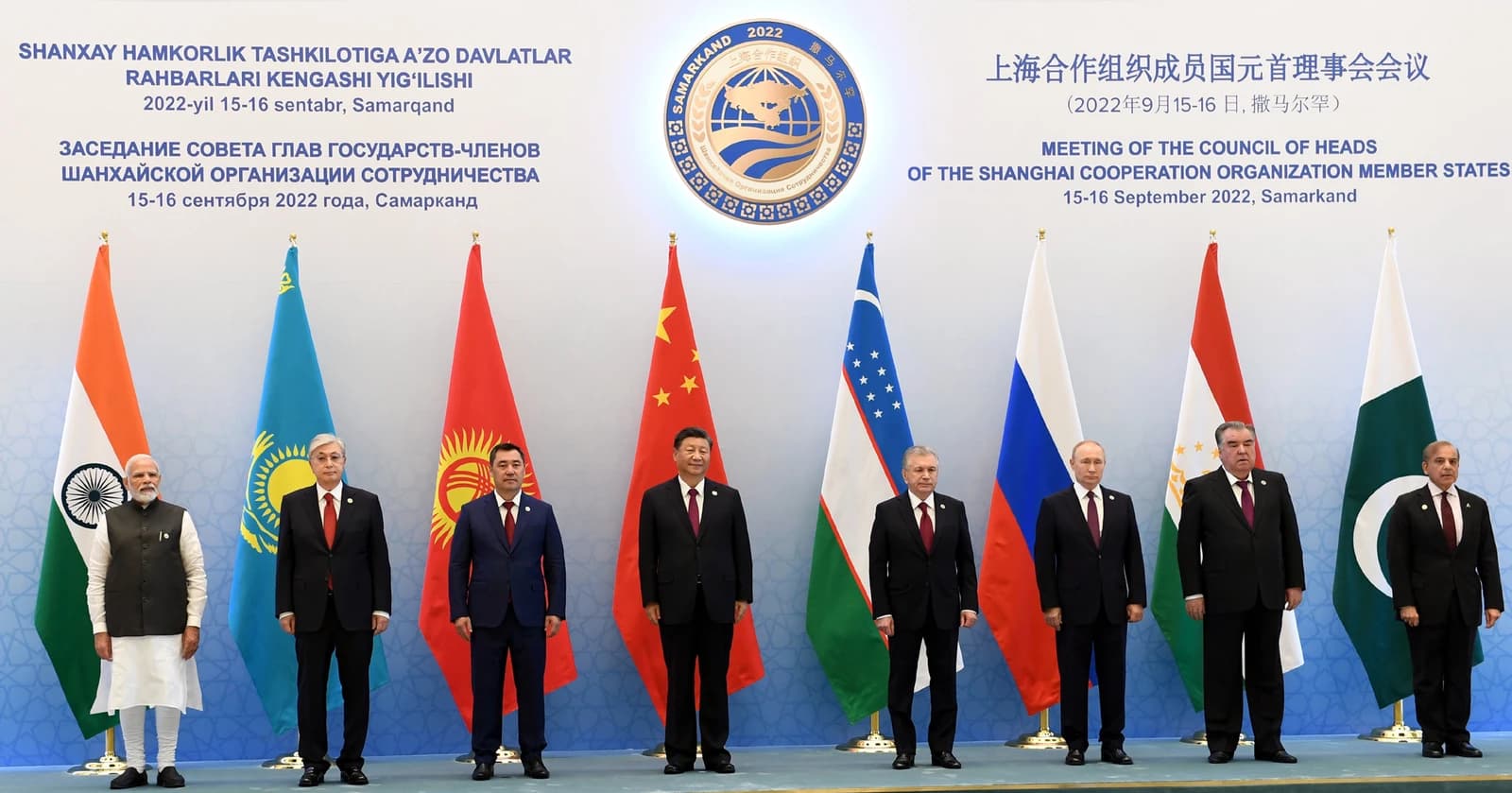
Pakistan is using the Shanghai Cooperation Organization to argue for a bigger regional economic role for the bloc, with Deputy Prime Minister Ishaq Dar saying the group can lead sustainable growth through digital change, energy ties and investment in agriculture, mining and IT.
Pakistan Urges SCO Role in Economic Growth
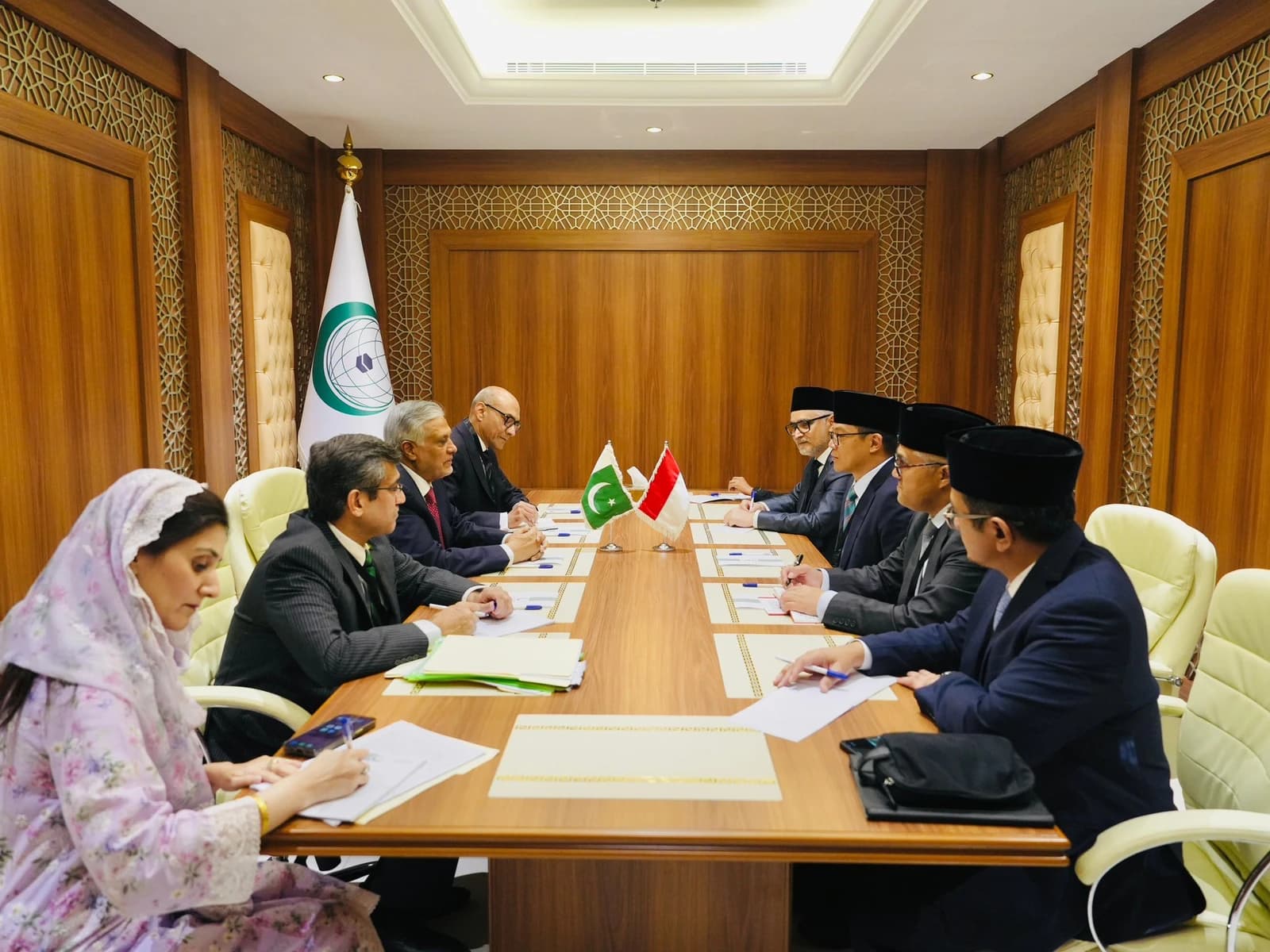
That message matters because the SCO is increasingly being cast not just as a security forum, but as a platform for trade, infrastructure and supply-chain integration across a large chunk of Eurasia. For Pakistan, which is trying to revive growth, attract capital and deepen ties with China and Central Asia, the rhetoric is aimed at turning diplomacy into financing, particularly for energy and transport projects that could ease bottlenecks in an economy that has long struggled with external funding constraints.
Dar said Pakistan supports greater investment in agriculture, mining, minerals and information technology, and pressed the case that CPEC gives SCO partners a way to accelerate economic integration. He also said energy cooperation and global information security should be central to the bloc’s agenda, while reaffirming Islamabad’s commitment to the SCO’s “Shanghai Spirit” of mutual trust and respect for diversity.
The economic pitch comes at a sensitive moment for the region. The SCO meeting also exposed the organization’s persistent political fault lines, with Indian Defence Minister Rajnath Singh using the forum to reject “double standards” on terrorism and call for a collective dismantling of terror financing networks. That underlines the gap between the bloc’s economic ambitions and the mistrust that still complicates deeper coordination among key members.
For investors, the immediate implication is less about any instant policy shift than about the direction of travel: Pakistan is signaling that it wants the SCO to be part of its capital-raising narrative, especially in sectors where it needs hard currency, technology transfer and long-duration infrastructure funding. Any progress on cross-border energy, logistics or minerals would be supportive for Pakistan’s growth outlook and, by extension, for the broader risk premium on frontier and emerging-market assets linked to the region.
The market angle also extends to China-focused vehicles. The China market proxy FXI has struggled to hold gains and remains below its 200-day moving average, while MCHI has also drifted lower, reflecting investor caution around the broader China growth outlook. By contrast, Indian equities have been more resilient on a relative basis, with INDA trading closer to its moving-average support than the China ETFs. That divergence suggests investors are still treating regional growth stories selectively, rewarding domestic macro resilience over multilateral promises.
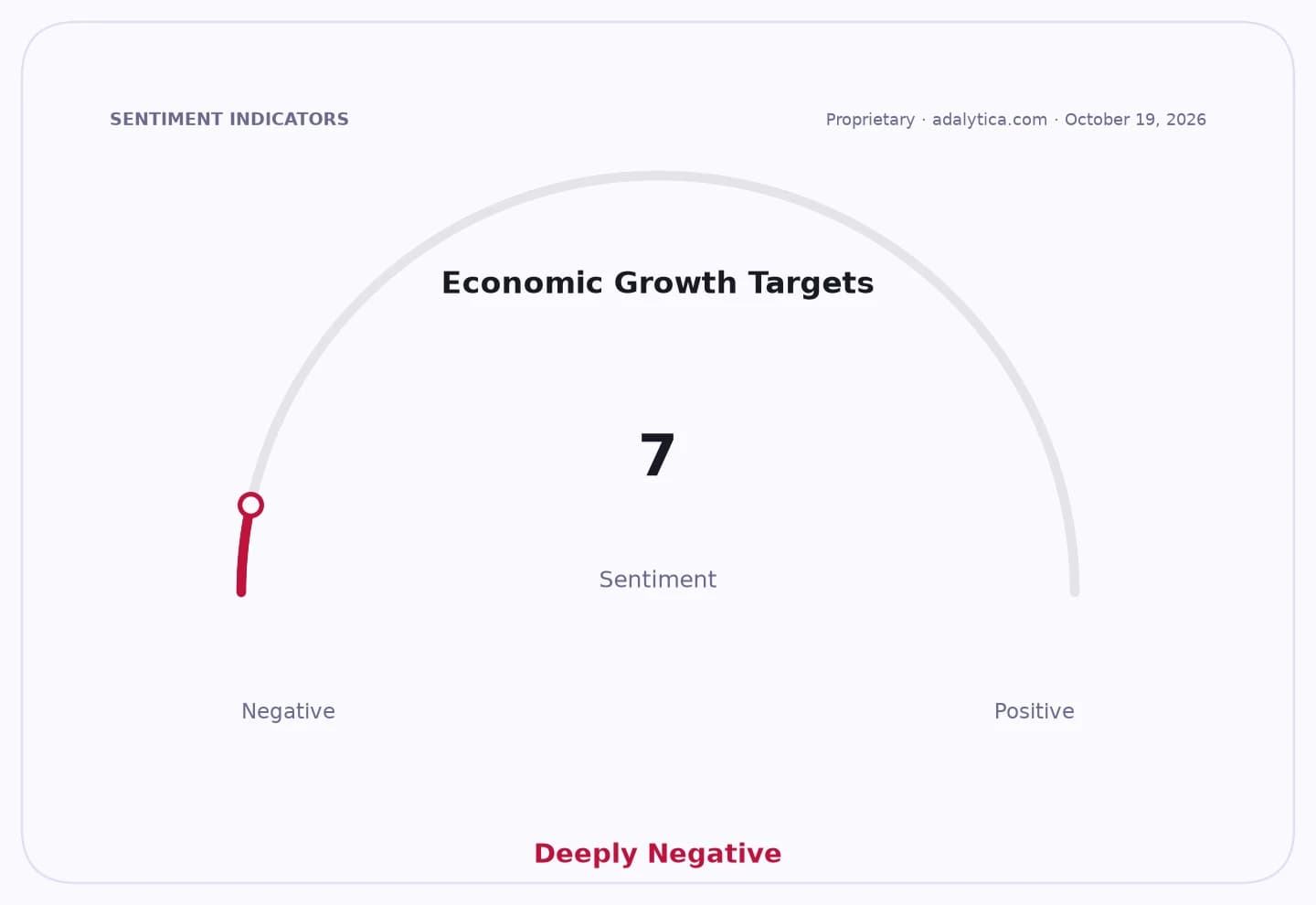
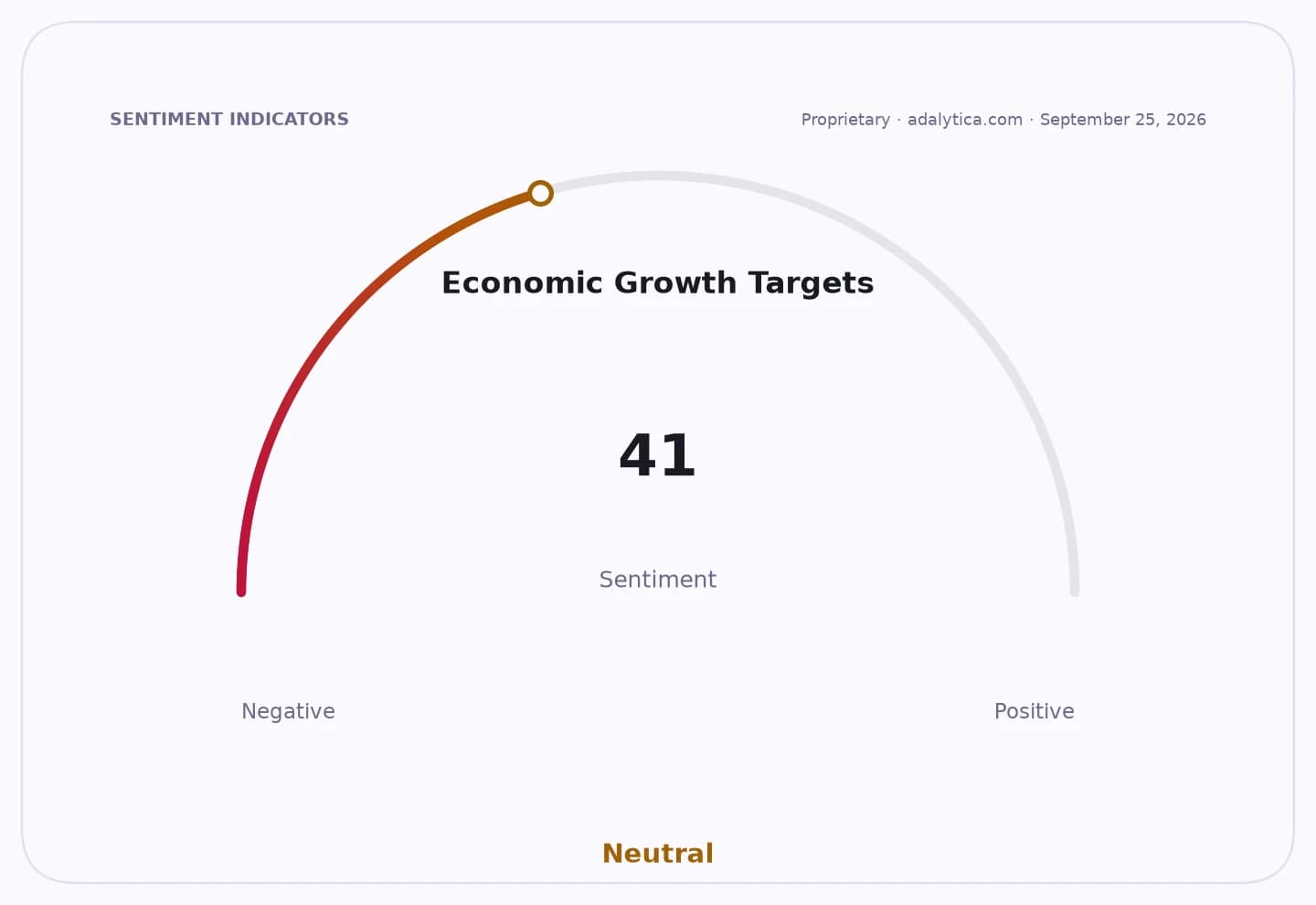
Adalytica’s China economic growth target sentiment gauge shows a sharp drop to “Extreme Fear,” even as awareness remains very high, highlighting how quickly conviction around China-linked growth narratives can swing. The Chinese yuan trade signal, meanwhile, sits in “Extreme Greed,” suggesting traders are still willing to lean into policy or external-support stories even as broader sentiment turns cautious.
The key test is whether SCO cooperation produces bankable projects rather than broad statements. If Pakistan can convert the bloc’s agenda into tangible investment in energy, transport and digital infrastructure, the economic payoff would be meaningful for growth, reserves and industrial capacity. If not, the SCO will remain a useful diplomatic stage — but a limited engine for sustainable economic expansion.
| Entity | Gains | Losses |
|---|---|---|
| Pakistan | ▲Investment pitch; regional visibility | ▼Pressure to deliver projects |
| SCO partners | ▲Access to infrastructure opportunities | ▼Slower coordination |
| China-linked assets | ▲Policy-support narrative | ▼Growth skepticism |
| India | ▲Security leverage in the bloc | ▼Less room for consensus |