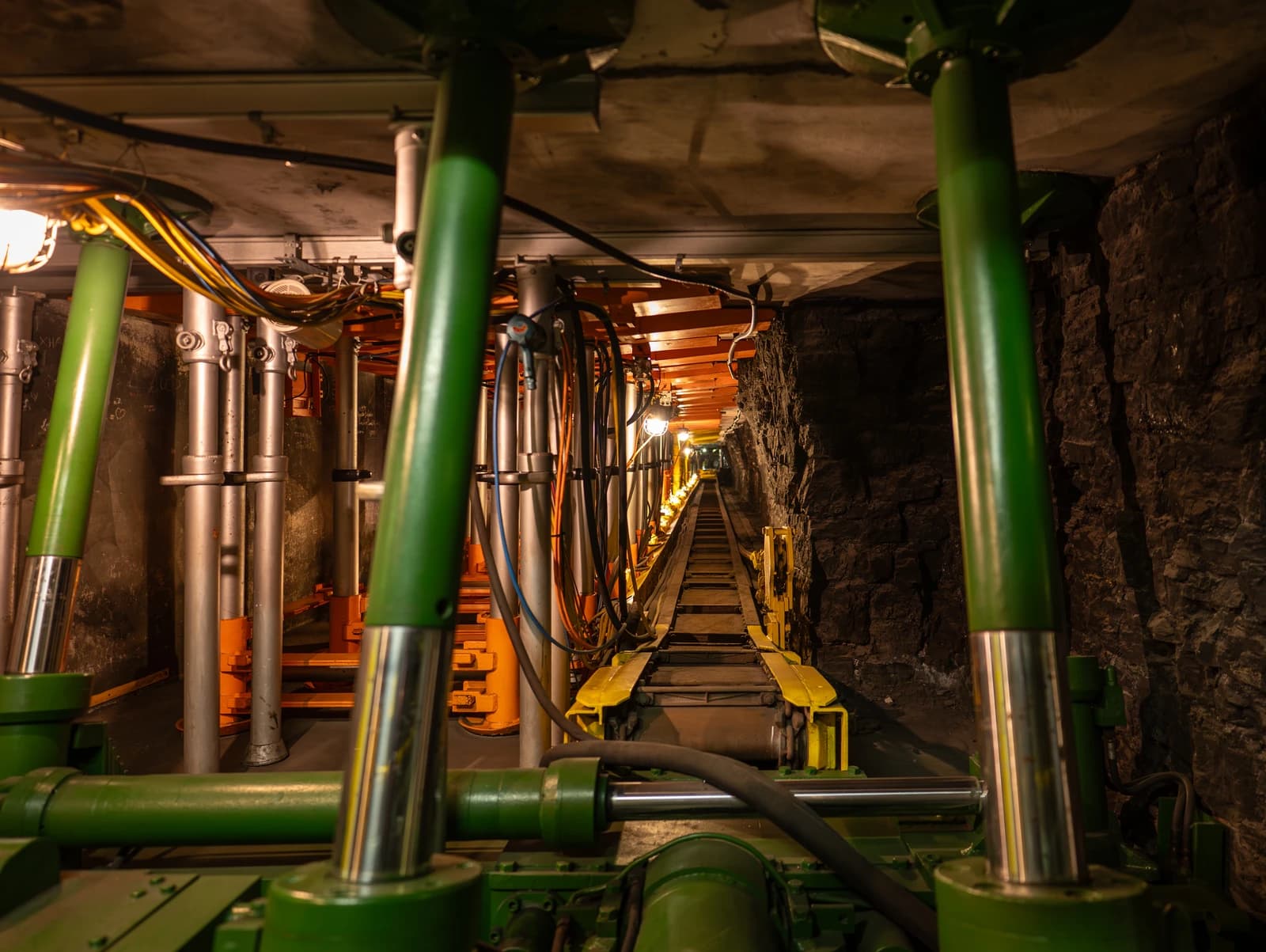
Record demand for work at New Acland Mine is underscoring how quickly Australia’s coal labor market is tightening, with about 1,900 people vying for just 30 jobs as supply constraints ripple through the sector.
Australia New Acland Mine gets 1,900 applicants for 30 jobs
The flood of applications matters because coal remains a critical input for power generation and industrial users, and labor availability is now part of the supply chain problem. When mines cannot staff up fast enough, output growth slows even if prices and demand are supportive, adding pressure to already strained domestic supplies.
Sentiment IndicatorsⓘProprietary · adalytica.com · September 8, 2026
This is a snapshot — live sentiment, awareness and momentum for 130+ markets update continuously in the dashboard.Open AlphaPulse
New Acland’s hiring drive has drawn far more interest than the mine can absorb, reflecting the appeal of a roster that offers extended leave and comparatively strong pay conditions. For investors, that signals coal assets with stable operations and labor advantages may be better positioned than higher-cost or harder-to-staff peers.
The timing is also significant. Coal markets are already firming amid shortages, with government intervention under discussion in some regions and producers benefiting from stronger pricing and tighter inventories.
Shares of coal-linked names have responded to the improved pricing backdrop, while technical readings on some listed miners show momentum remains elevated after recent gains. But the broader narrative is not just about prices — it is about how a constrained workforce can limit supply even when the economics would otherwise encourage production.
For investors, the key catalyst is whether labor tightness spreads beyond one mine and starts affecting production targets, contract delivery and margins across the sector. Any further policy support, wage pressure or operational disruption would likely keep coal equities volatile.
| Entity | Gains | Losses |
|---|---|---|
| New Acland Mine | ▲Easier recruitment | ▼None obvious |
| Coal producers | ▲Better pricing backdrop | ▼Higher labor costs |
| Jobseekers | ▲More openings | ▼Intense competition |
| Power users | ▲More supply over time | ▼Near-term coal shortages |